33-99No. Mufu E Rd. Gulou District, Nanjing, China [email protected] | [email protected]
33-99No. Mufu E Rd. Gulou District, Nanjing, China [email protected] | [email protected]
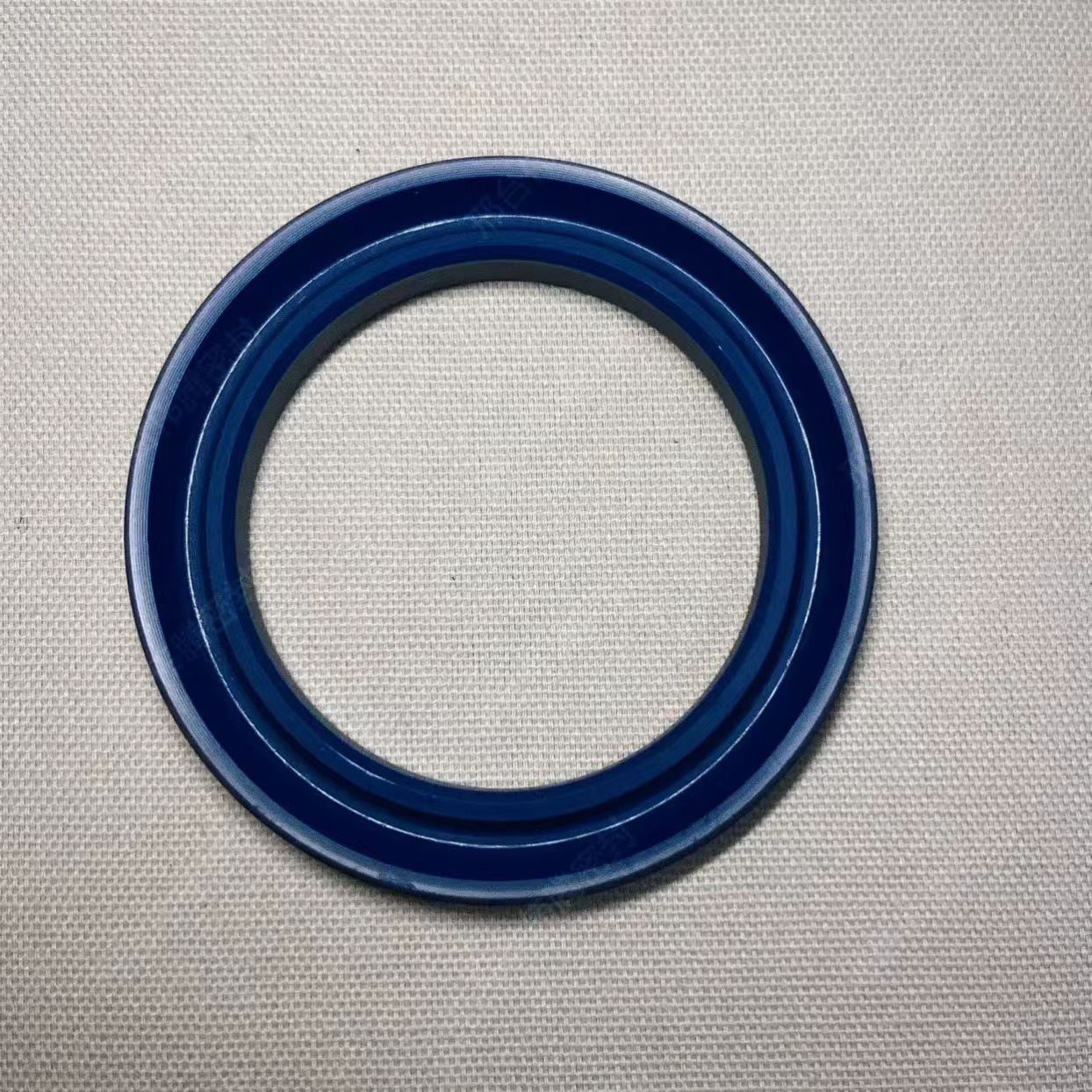
Seal replacement guide — Nanjing Hovoo (HOVOO / HOUFU) The Symptom Misleads More Often Than It Helps Hydraulic breaker fault diagnosis guides typically list symptom, cause, and fix in three columns. The format implies a clean mapping: see the s...
VIEW MORE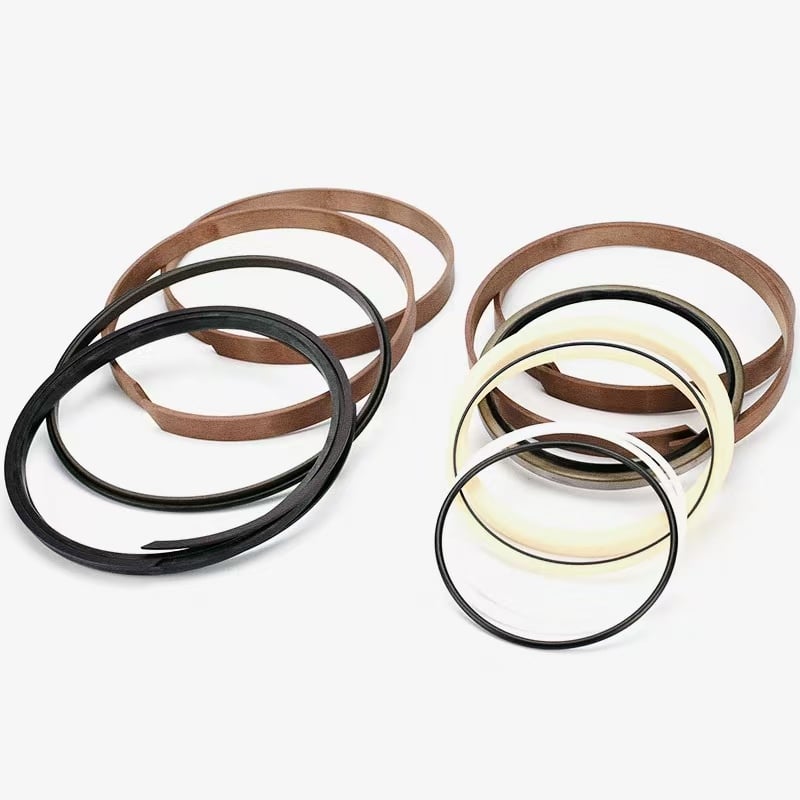
The Search Term Tells You More Than the Market Size Number Standard market reports rank countries by hydraulic breaker demand volume and CAGR. Those numbers are useful for investment planning over a five-year horizon. They are almost useless for deci...
VIEW MORE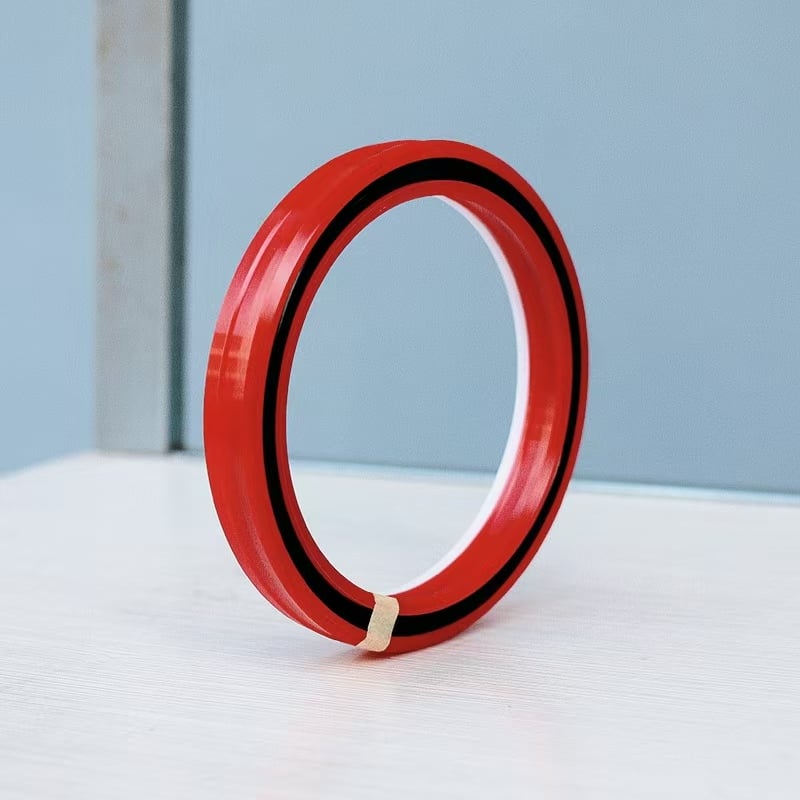
Seal integrity at each step — Nanjing Hovoo (HOVOO / HOUFU) Every Step in the Cycle Is a Pressure Boundary — and Every Boundary Has a Seal The hydraulic breaker working principle is taught as a four-step cycle: upstroke, valve shift, down...
VIEW MORE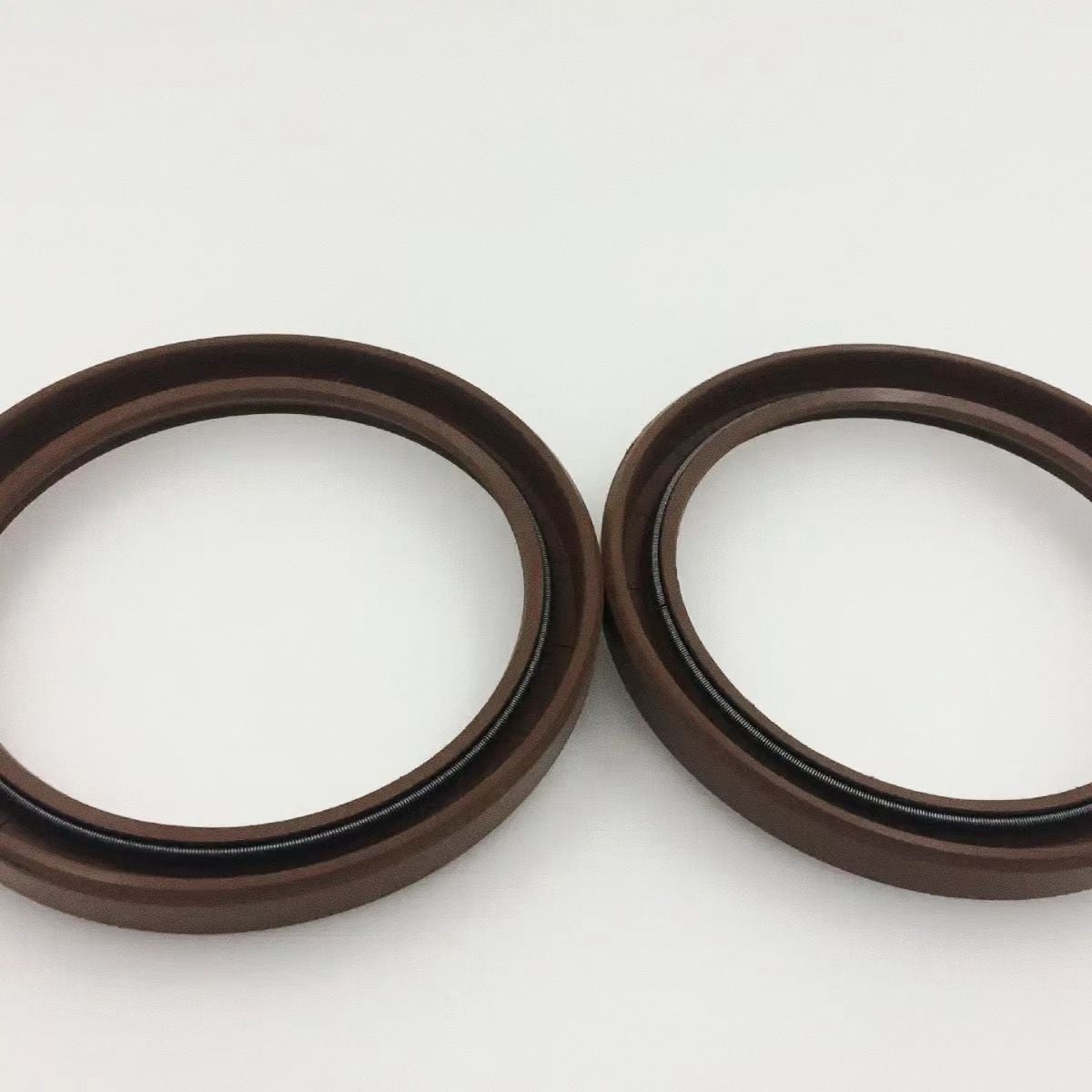
Seal selection guide by type — Nanjing Hovoo (HOVOO / HOUFU) Classification Exists Because Each Structure Creates a Different Problem Hydraulic breakers are classified by mounting structure — side-mount, top-mount, box-type, and specialis...
VIEW MORE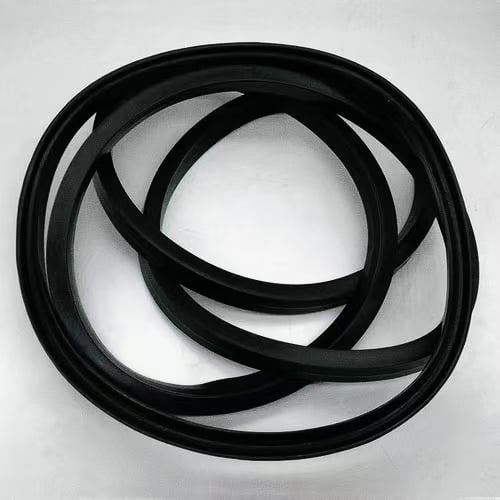
Shock Absorption and High Frequency Are Opposing Demands — Solved by the Same Components Shock absorption and high-frequency impact look like opposing engineering objectives. Absorbing shock means softening the transmission of energy through th...
VIEW MORE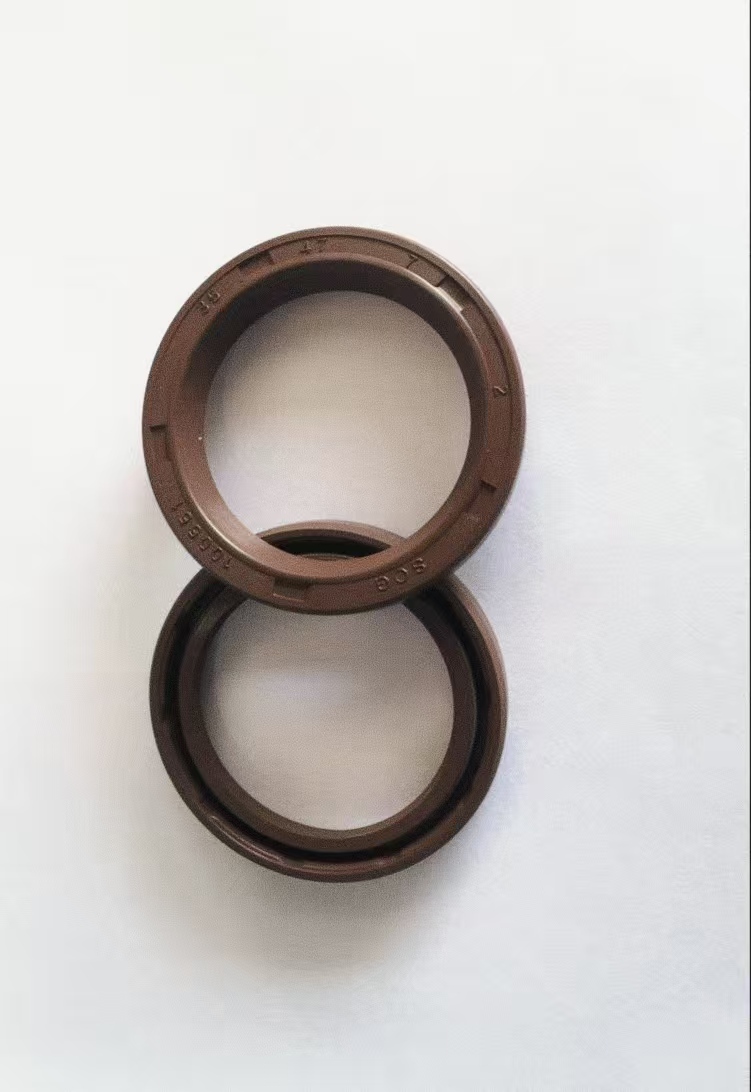
Reading the Specification Table Without Being Misled by It A hydraulic breaker specification table lists working pressure, impact rate, chisel diameter, and impact energy in neat columns that invite direct comparison. The numbers are accurate in isol...
VIEW MORE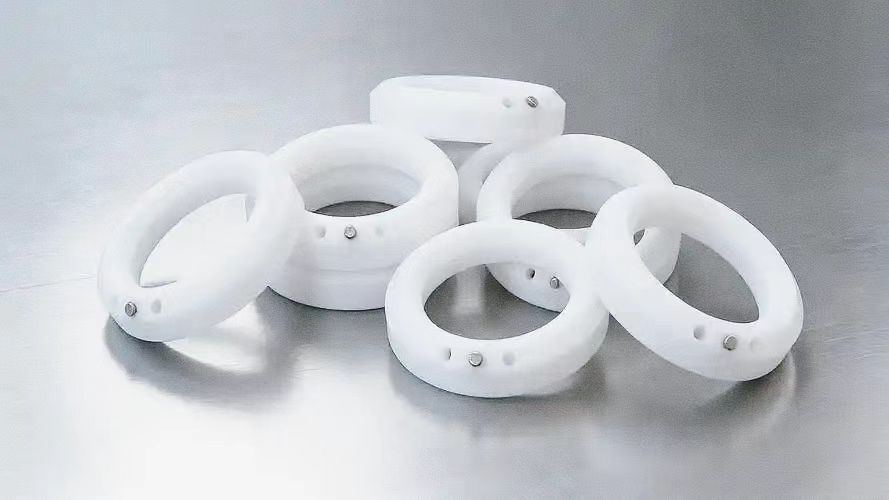
Road Work and Bridge Work Are Not the Same Application The material difference explains the tool and technique difference. Asphalt is viscoelastic — it responds to rapid repeated impacts by developing fracture networks across a wide area. A fl...
VIEW MORE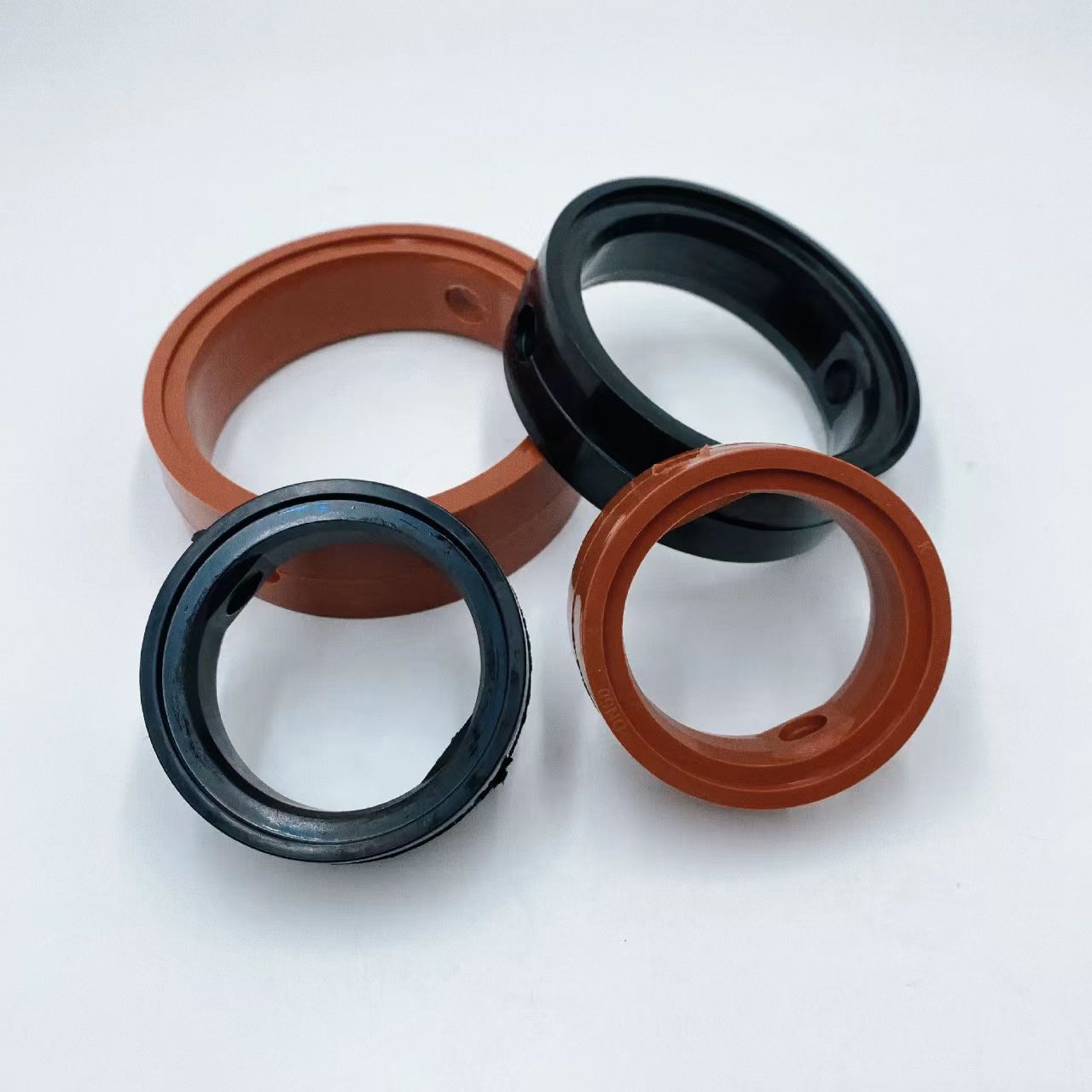
Municipal Work Penalises the Same Mistakes More Severely Than Any Other Site Type On a quarry or demolition site, an operator who breaks too wide an area, runs the breaker too close to existing structure, or repositions without full awareness of the ...
VIEW MORE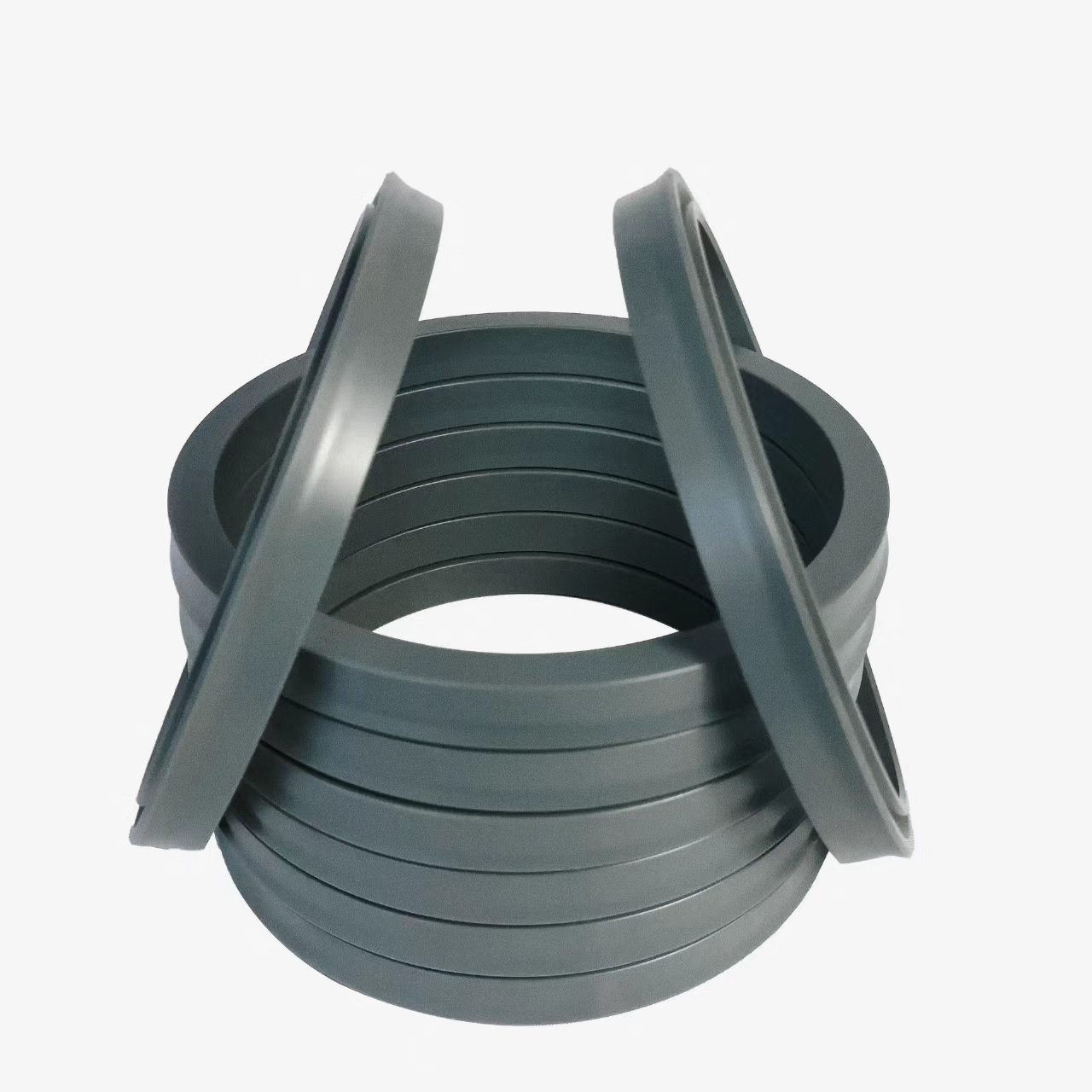
Why Selection Goes Wrong — and Why It Goes Wrong the Same Way Every Time Most hydraulic breaker procurement mistakes are not random. They cluster around a small number of repeating patterns: buying on price without assessing total cost of owner...
VIEW MORE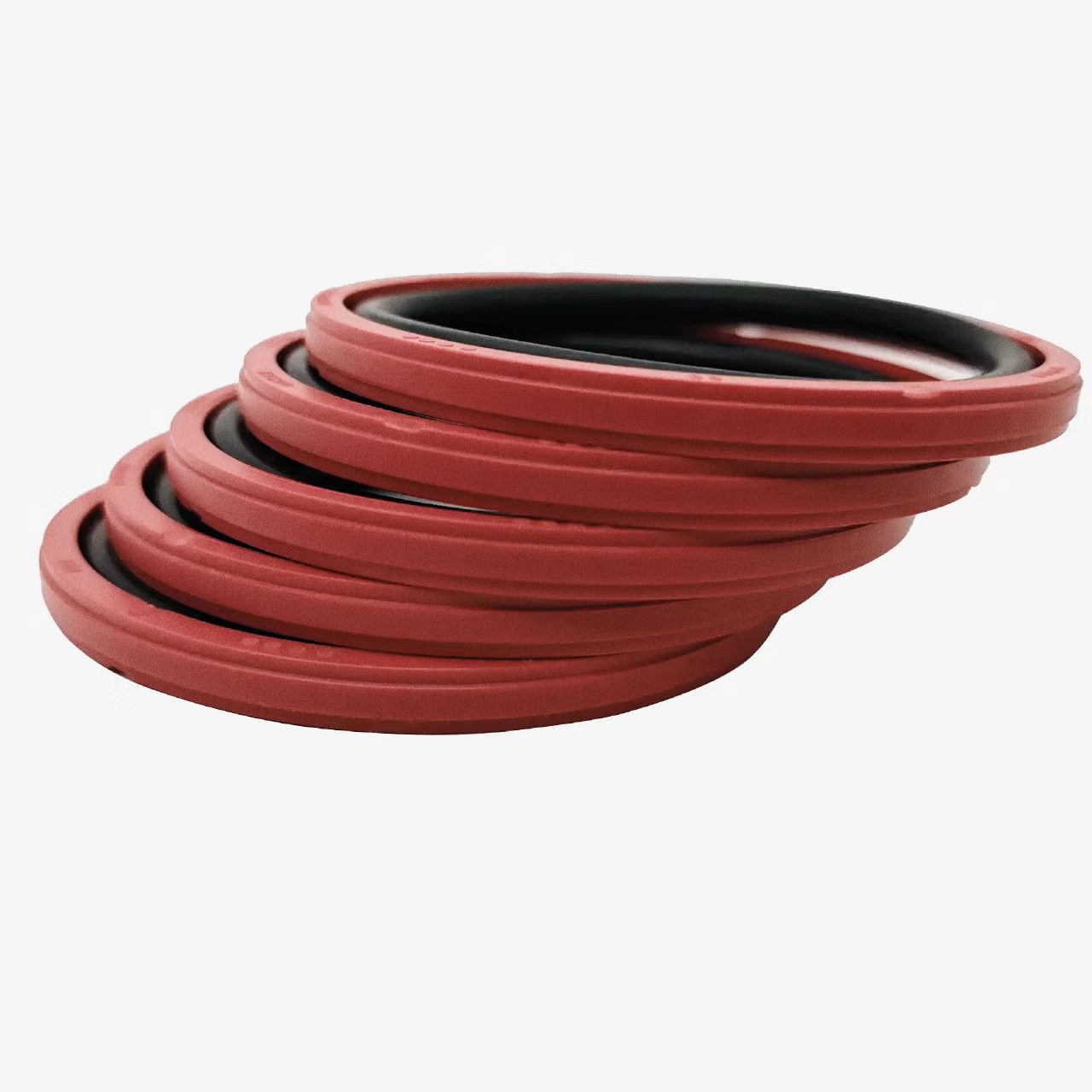
The Breaker Itself Is Not the Problem — the Carrier Is Ask which hydraulic breaker model suits high-altitude work and the answer sounds like a product recommendation question. It is not. A hydraulic breaker's impact mechanism — nitrogen a...
VIEW MORE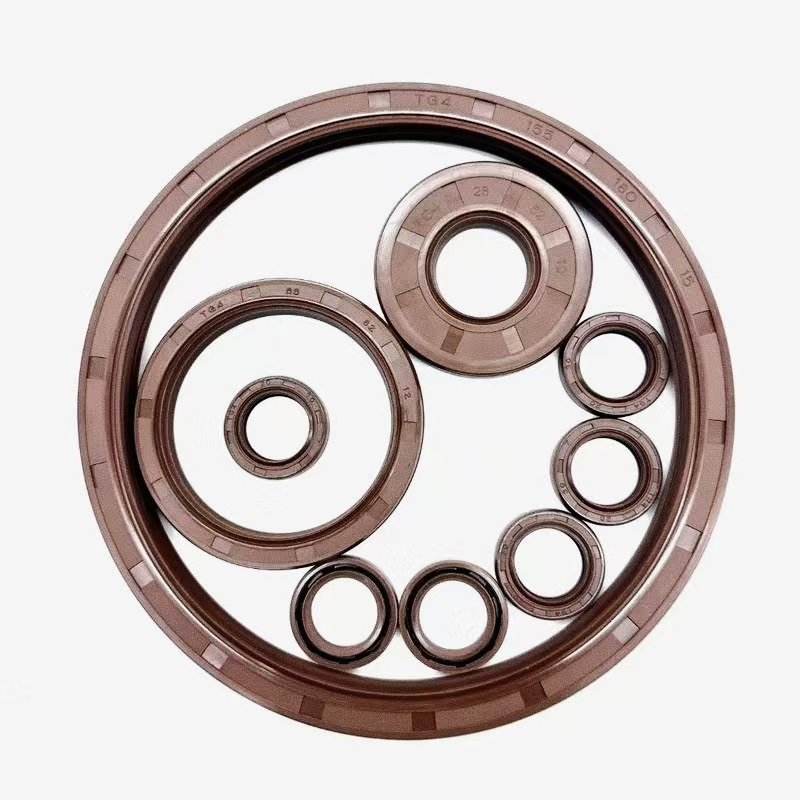
Tunnel Work Imposes Constraints That Open-Site Selection Ignores The tunnel environment adds three constraints that surface-work selection guides never address. First, inverted and near-inverted operation: scaling loose rock from a tunnel crown means...
VIEW MORE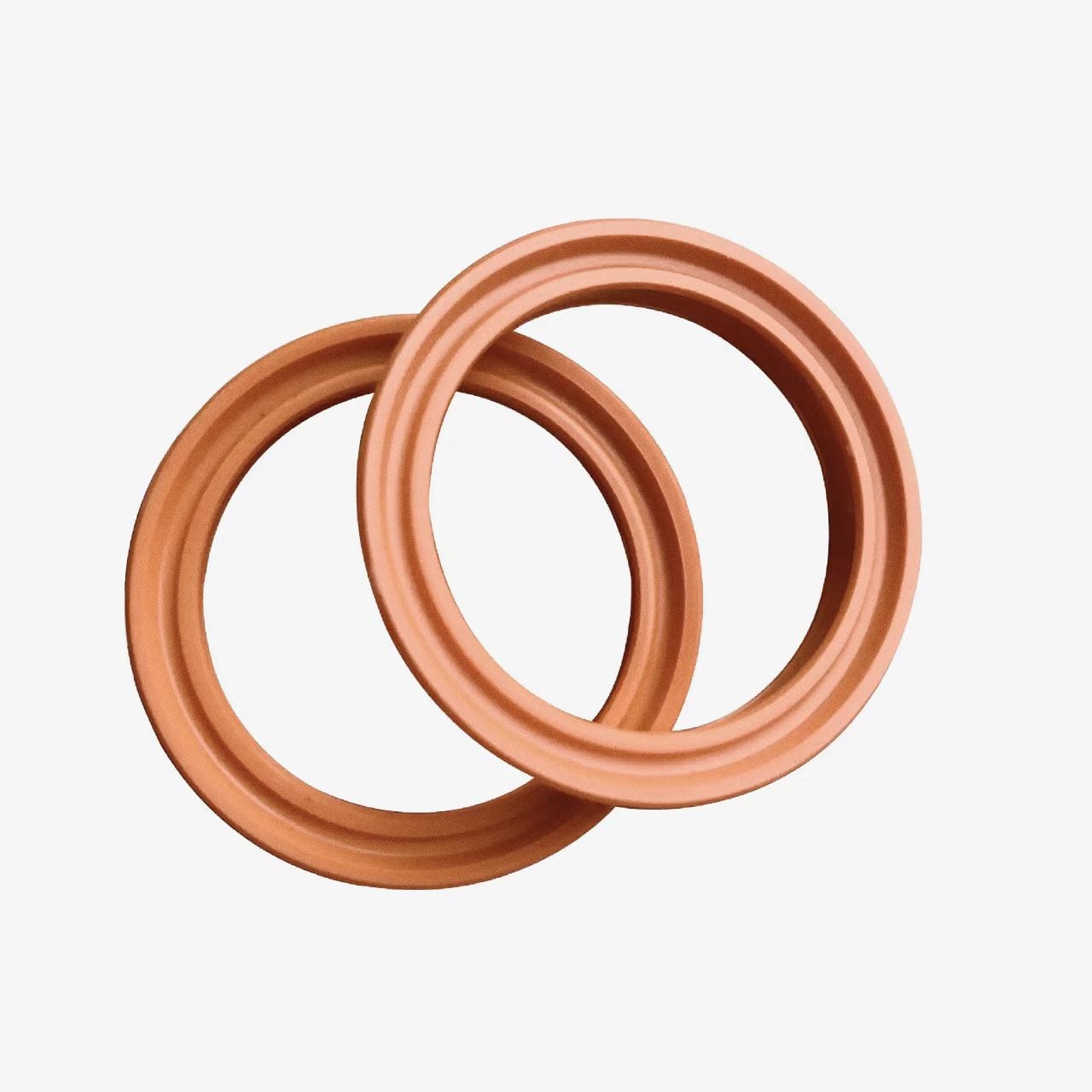
Doing the Right Task the Wrong Way Still Fails Most hydraulic breaker maintenance failures on well-managed job sites are not failures of frequency — the operator greased every two hours, checked nitrogen weekly, and avoided obvious misuse. They...
VIEW MORE
Welcome to HOVOO, a Chinese seal factory. Production of PU, Rubber and PTFE seals. The seals include O-ring, piston seal, rod seal, Gray ring and gas seal.


 EN
EN
 AR
AR CS
CS DA
DA NL
NL FI
FI FR
FR DE
DE EL
EL IT
IT JA
JA KO
KO NO
NO PL
PL PT
PT RO
RO RU
RU ES
ES SV
SV TL
TL IW
IW ID
ID LV
LV SR
SR SK
SK VI
VI HU
HU MT
MT TH
TH TR
TR FA
FA MS
MS GA
GA CY
CY IS
IS KA
KA UR
UR LA
LA TA
TA MY
MY
