33-99No. Mufu E Rd. Gulou District, Nanjing, China [email protected] | [email protected]
33-99No. Mufu E Rd. Gulou District, Nanjing, China [email protected] | [email protected]
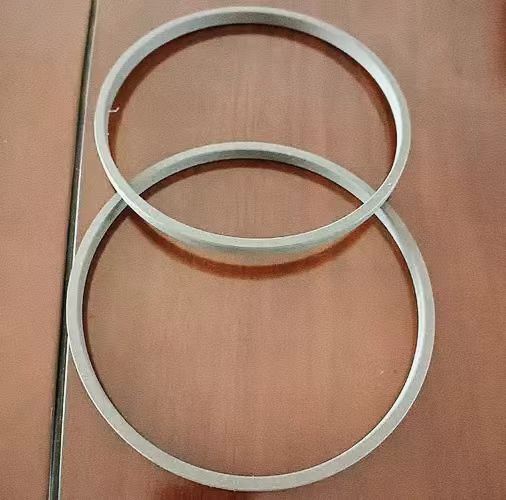
Mining sites punish weak equipment fast. Granite, basalt, and dense ore formations don't yield to marginal impact force — they reveal it. A breaker that handles quarry limestone can fail in weeks when pushed against harder rock in an active min...
VIEW MORE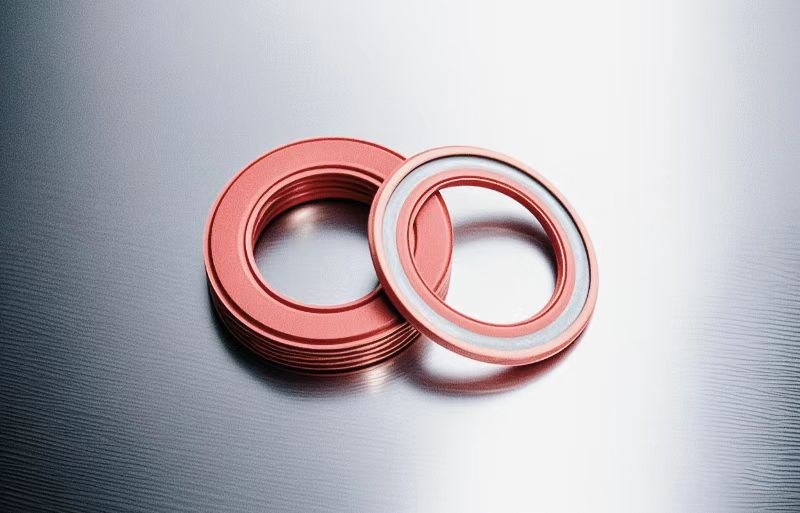
Most operators understand that a hydraulic breaker strikes hard. Fewer understand why some breakers keep striking hard after two thousand hours — and others fall apart at five hundred. The difference is almost always in how the machine handles ...
VIEW MORE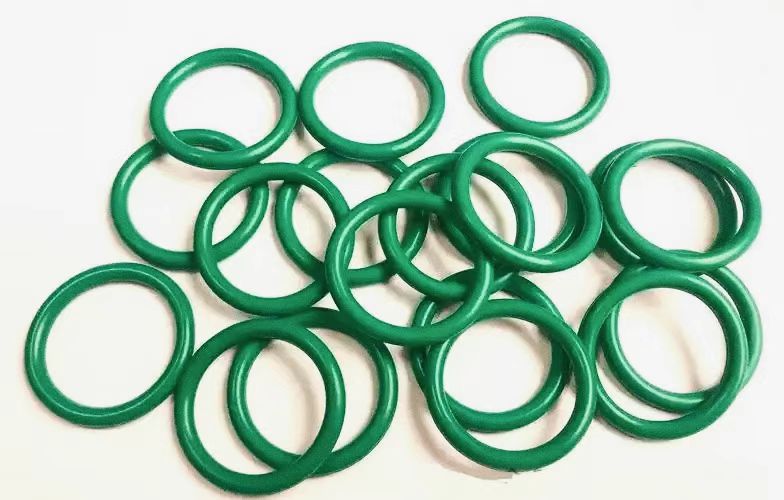
Eco-compatible seal compounds — HOVOO / HOUFU Energy and Emission Reduction Is a System Problem, Not a Product Problem Hydraulic breaker energy saving and emission reduction discussions in industry reports focus on the breaker attachment itse...
VIEW MORE
The Comparison That Has Changed Most in the Last Decade A performance comparison between domestic (Chinese) and imported hydraulic breakers written in 2015 would have concluded, accurately, that imported European and Japanese units led on engineering...
VIEW MORE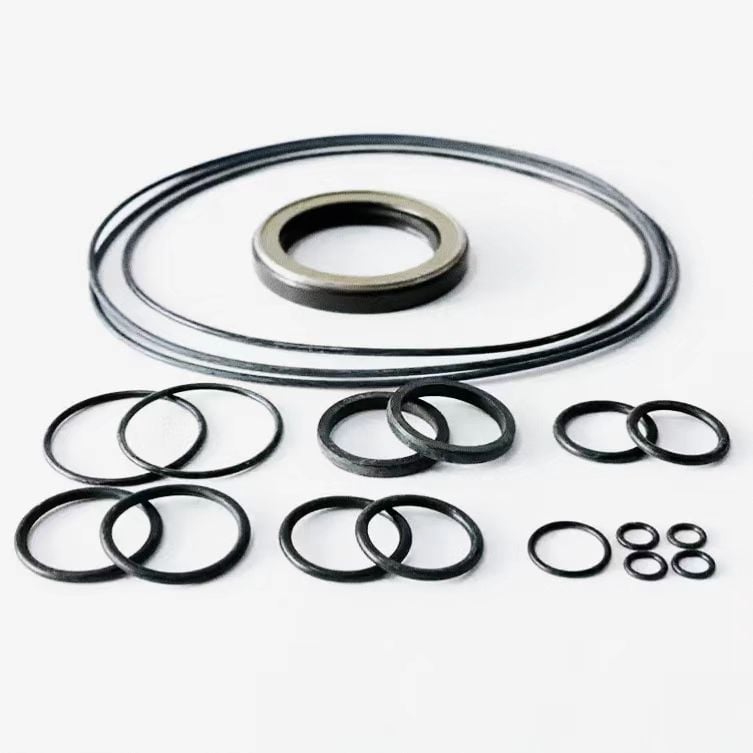
The Chisel Is Not Interchangeable — It Is Application-Specific Five chisel profiles cover the full range of hydraulic breaker applications: moil point (conical), flat chisel, blunt/pyramid, wedge, and forged. Each has a different contact geomet...
VIEW MORE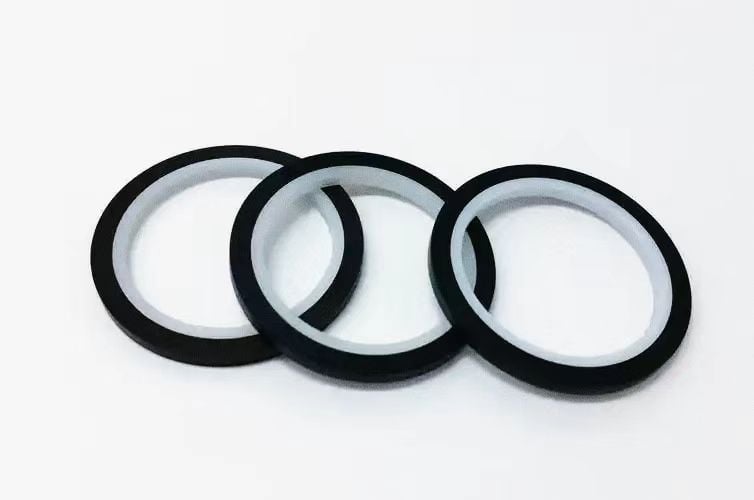
Enclosed-space seal and thermal management — HOVOO / HOUFU The Tunnel Environment Compounds Every Standard Challenge Tunnel construction places the hydraulic breaker in the most demanding combination of operating conditions in the equi...
VIEW MORE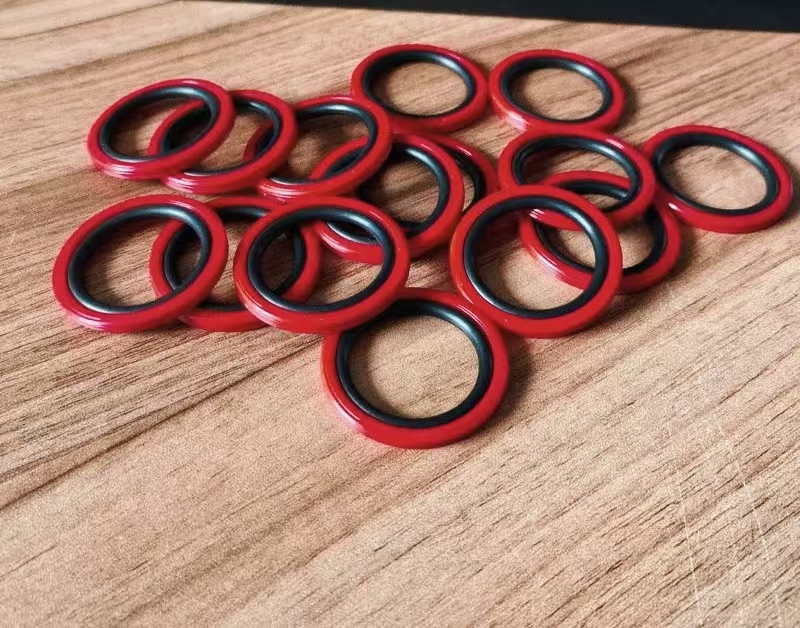
Where the Volume Flows and Where the Value Sits The global hydraulic breaker import/export market divides into two largely separate flows: premium European and Japanese brand exports from Sweden, Germany, Japan, and South Korea to high-income and ...
VIEW MORE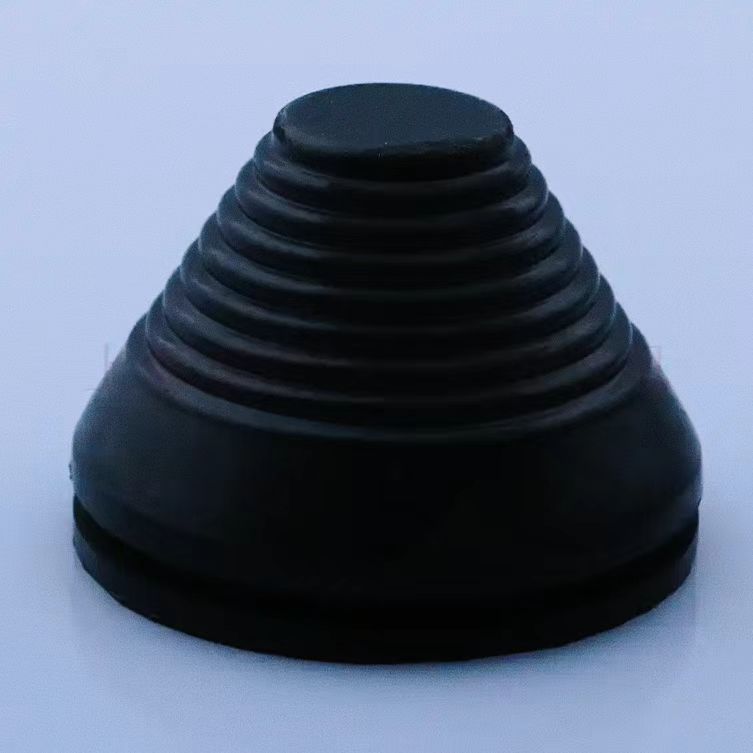
Urban seal & noise compliance — HOUFU Municipal Work Imposes Constraints That Field Work Does Not Municipal engineering deployments — road repair, utility access, kerb and footpath replacement, water main and sewer work — impose a c...
VIEW MORE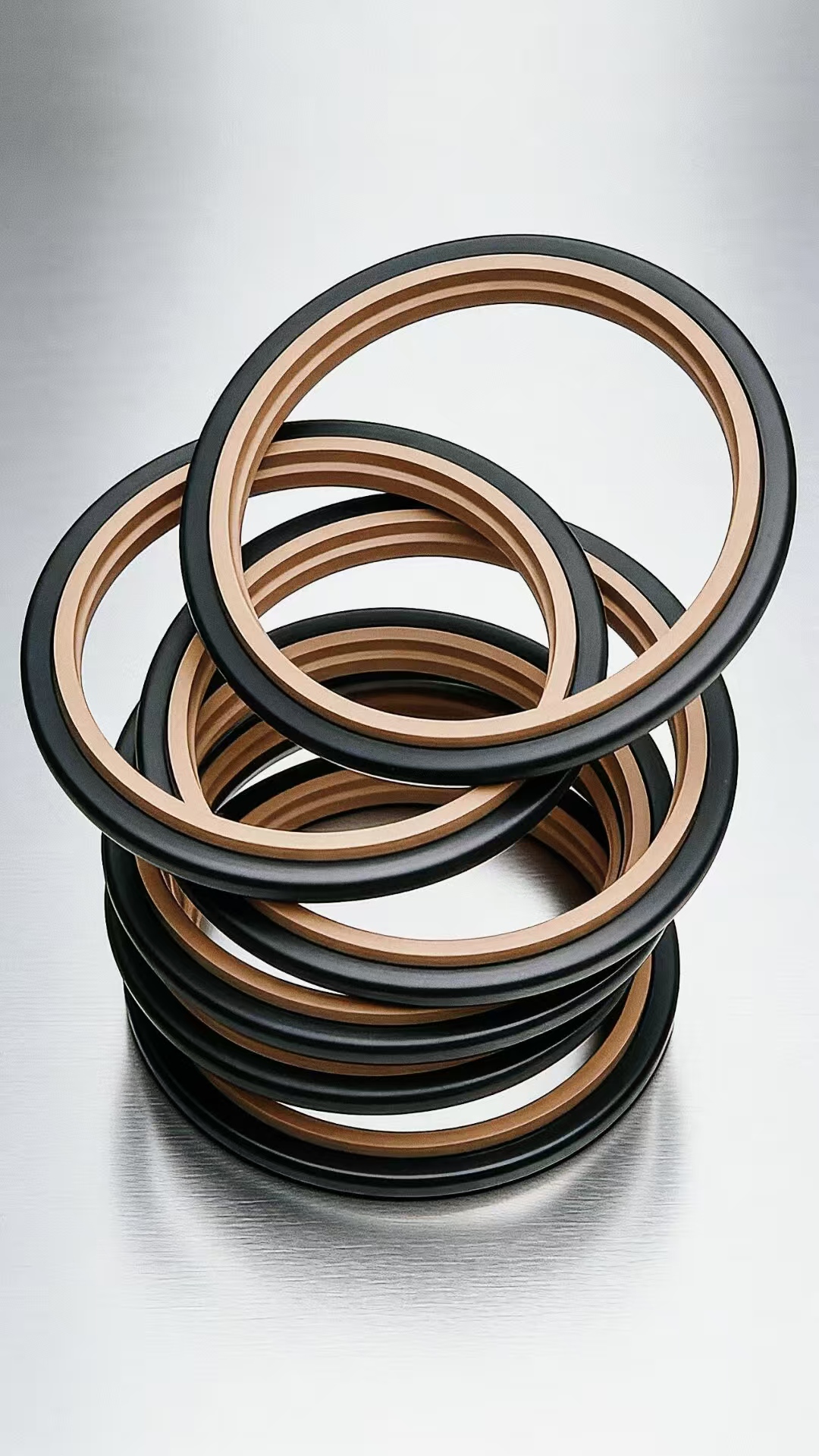
The Five Numbers and What Each One Actually Controls Every hydraulic breaker specification sheet presents five core numbers: working pressure (bar), oil flow (L/min), impact energy (J or ft-lbs), BPM, and service weight (kg). Most buyers compare on o...
VIEW MORE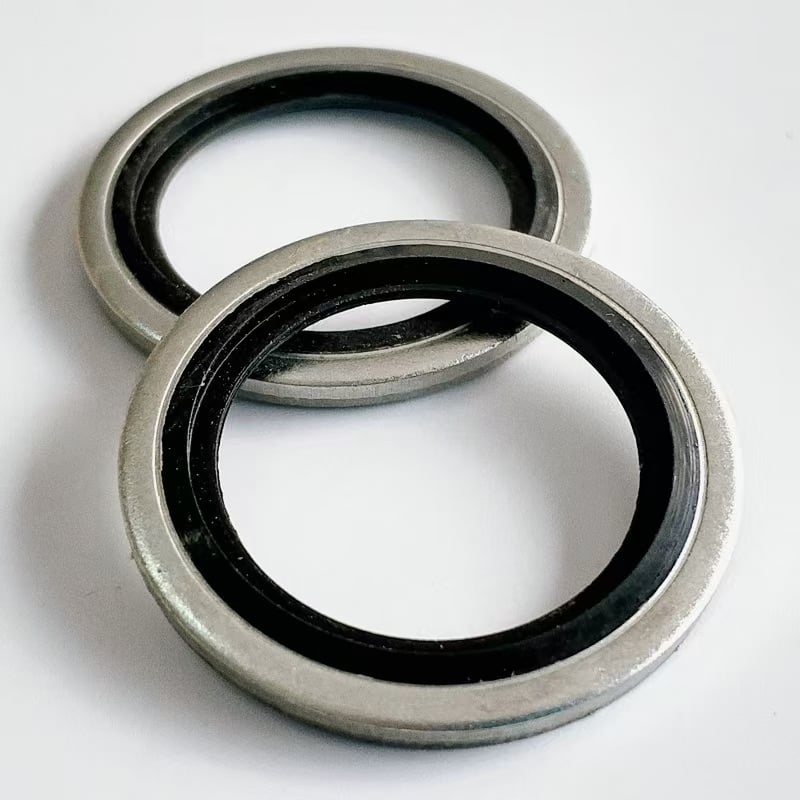
Continuous-duty seal specification — Nanjing Hovoo (HOVOO / HOUFU) Mining Duty Starts Where the Specification Sheet Ends Published specifications for hydraulic breakers report working pressure, BPM, and impact energy under controlled test con...
VIEW MORE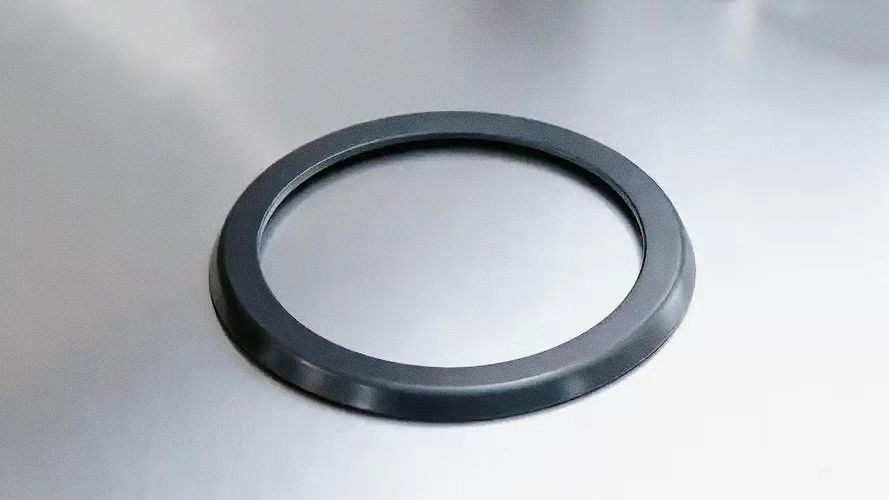
Seal selection by drive type — HOVOO / HOUFU Two Different Energy Sources, Two Different Failure Modes Hydraulic and pneumatic breakers share a surface resemblance — both use a piston to strike a chisel. The energy source, pressure leve...
VIEW MORE
Seal specification by scale — Nanjing Hovoo (HOVOO / HOUFU) Scale Changes the Failure Mode, Not Just the Size A small hydraulic breaker and a large one share the same working principle: oil drives a piston, nitrogen stores energy, a valve shift...
VIEW MORE
Welcome to HOVOO, a Chinese seal factory. Production of PU, Rubber and PTFE seals. The seals include O-ring, piston seal, rod seal, Gray ring and gas seal.


 EN
EN
 AR
AR CS
CS DA
DA NL
NL FI
FI FR
FR DE
DE EL
EL IT
IT JA
JA KO
KO NO
NO PL
PL PT
PT RO
RO RU
RU ES
ES SV
SV TL
TL IW
IW ID
ID LV
LV SR
SR SK
SK VI
VI HU
HU MT
MT TH
TH TR
TR FA
FA MS
MS GA
GA CY
CY IS
IS KA
KA UR
UR LA
LA TA
TA MY
MY
