33-99No. Mufu E Rd. Gulou District, Nanjing, China [email protected] | [email protected]
33-99No. Mufu E Rd. Gulou District, Nanjing, China [email protected] | [email protected]

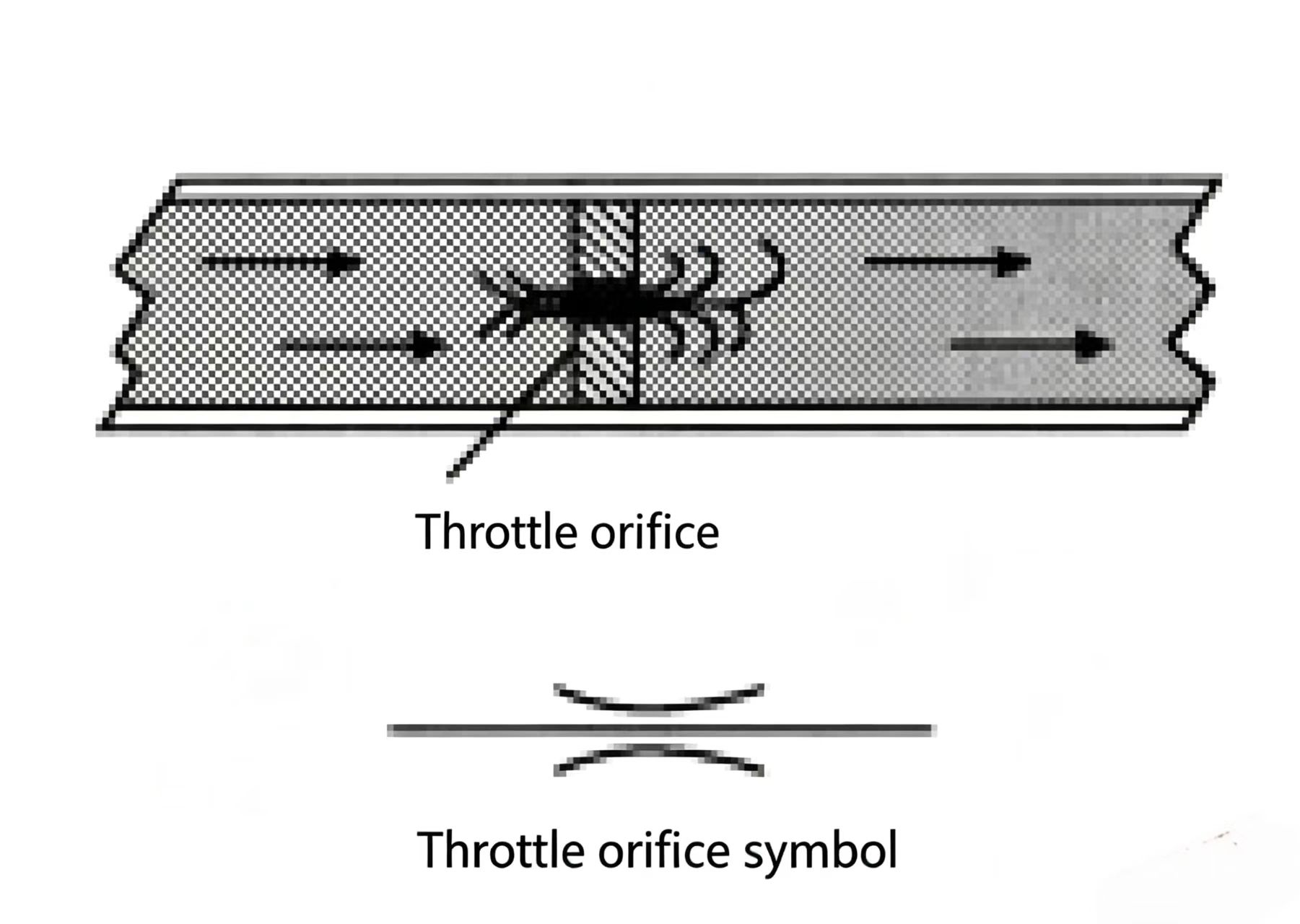
Otvor je relativně malé otevření v cestě proudění kapaliny. Proudění otvorem je ovlivněno několika faktory, z nichž tři hlavní jsou:
Velikost otvoru řídí průtok jím. Běžným každodenním příkladem je tryska zahradní hadice – pokud je otvor trysky malý, voda vystřikuje jako jemná mlha nebo stříkající proud. Je-li otvor větší, vznikne silný proud vody. V obou případech tryska zahradní hadice omezuje směr proudění vody – průtok otvorem je určen velikostí otvoru.
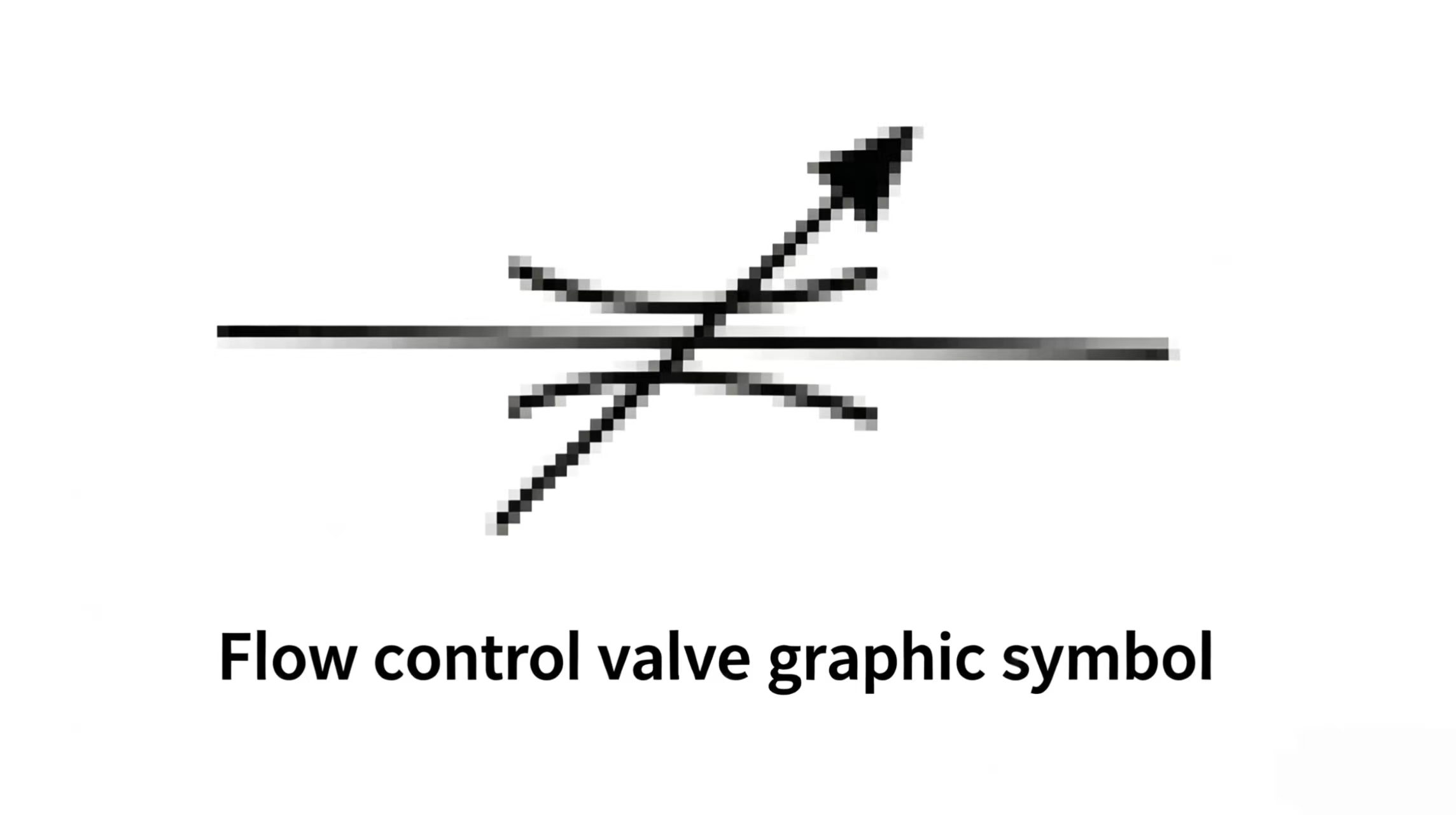
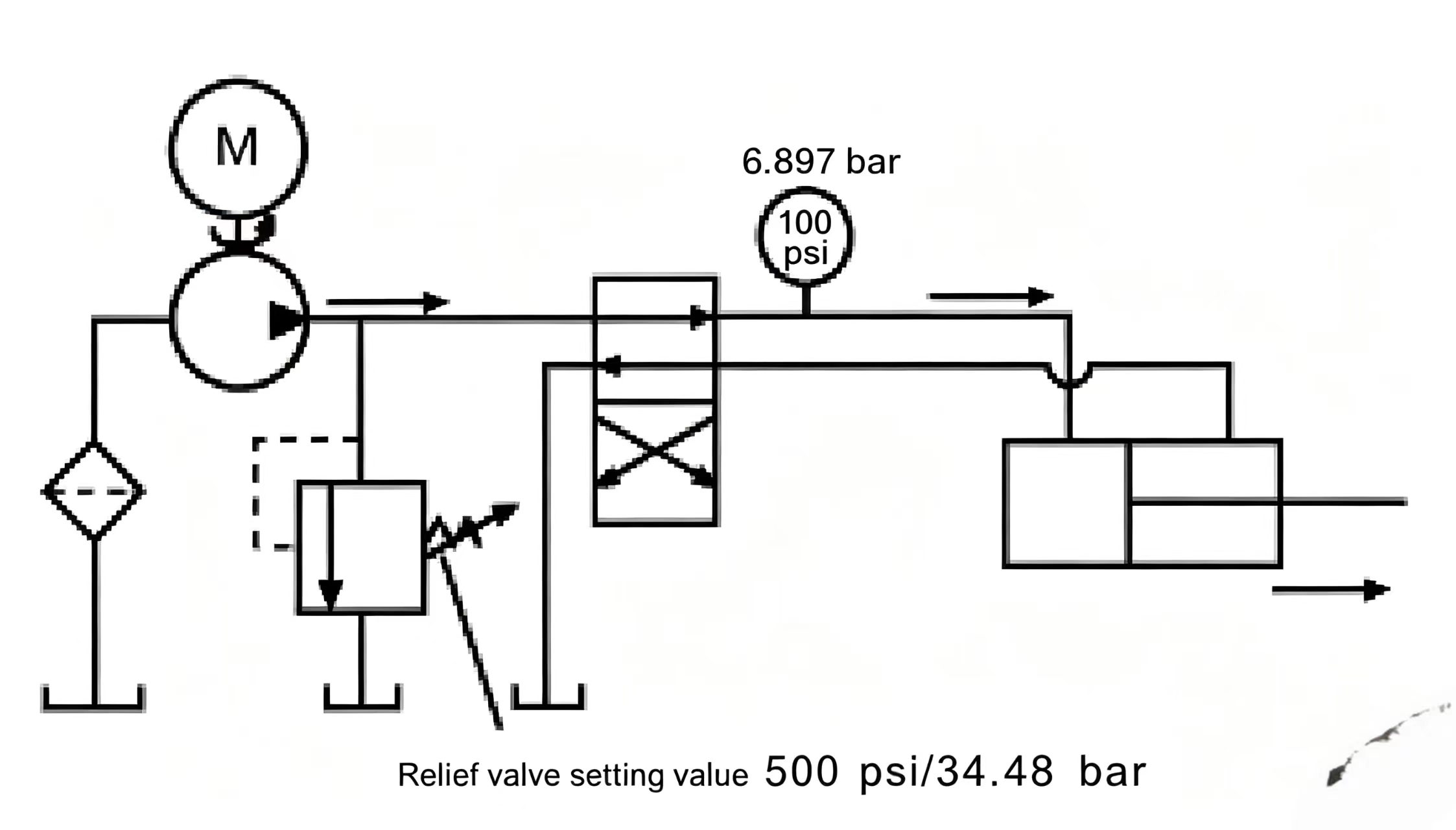
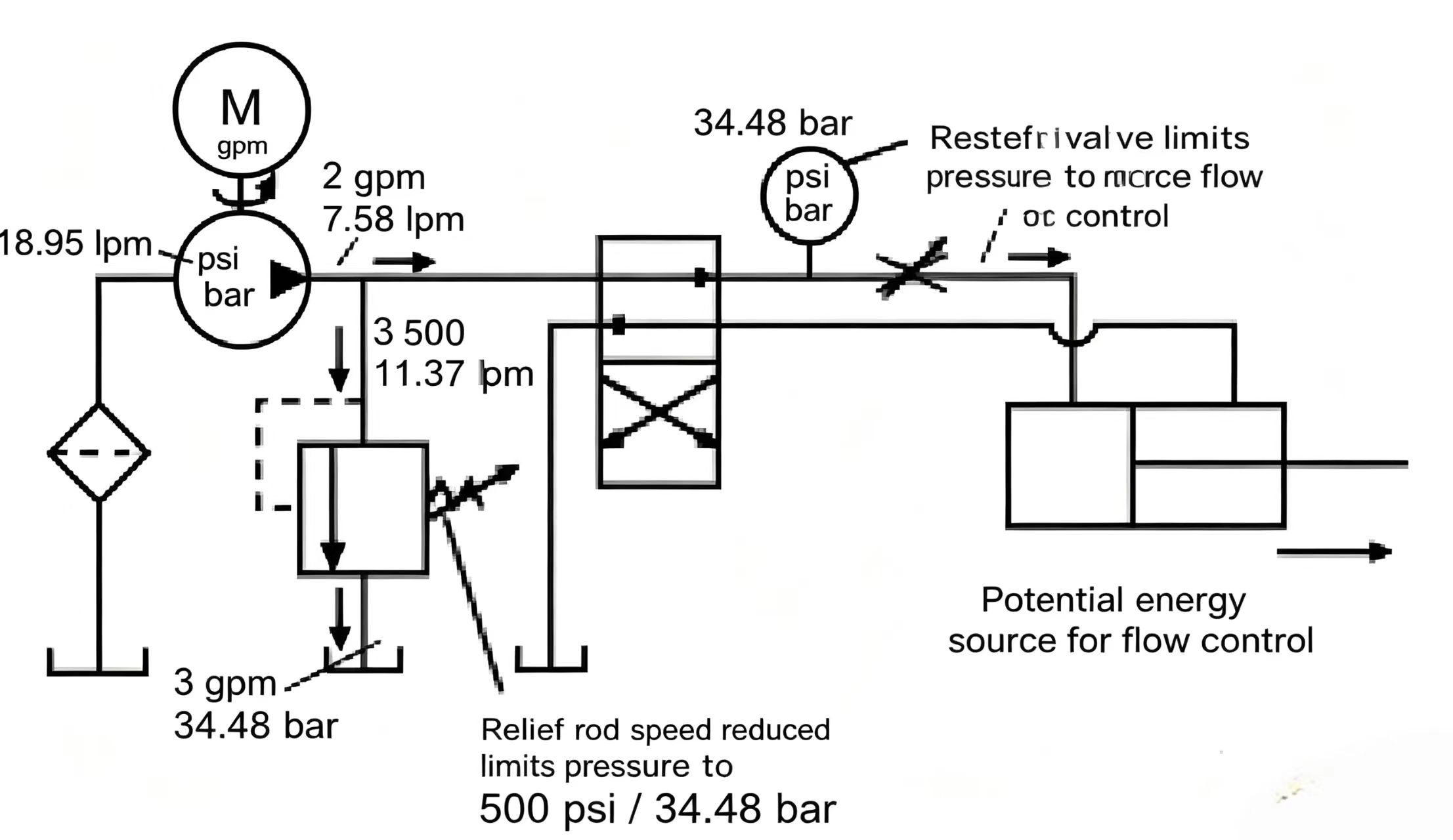
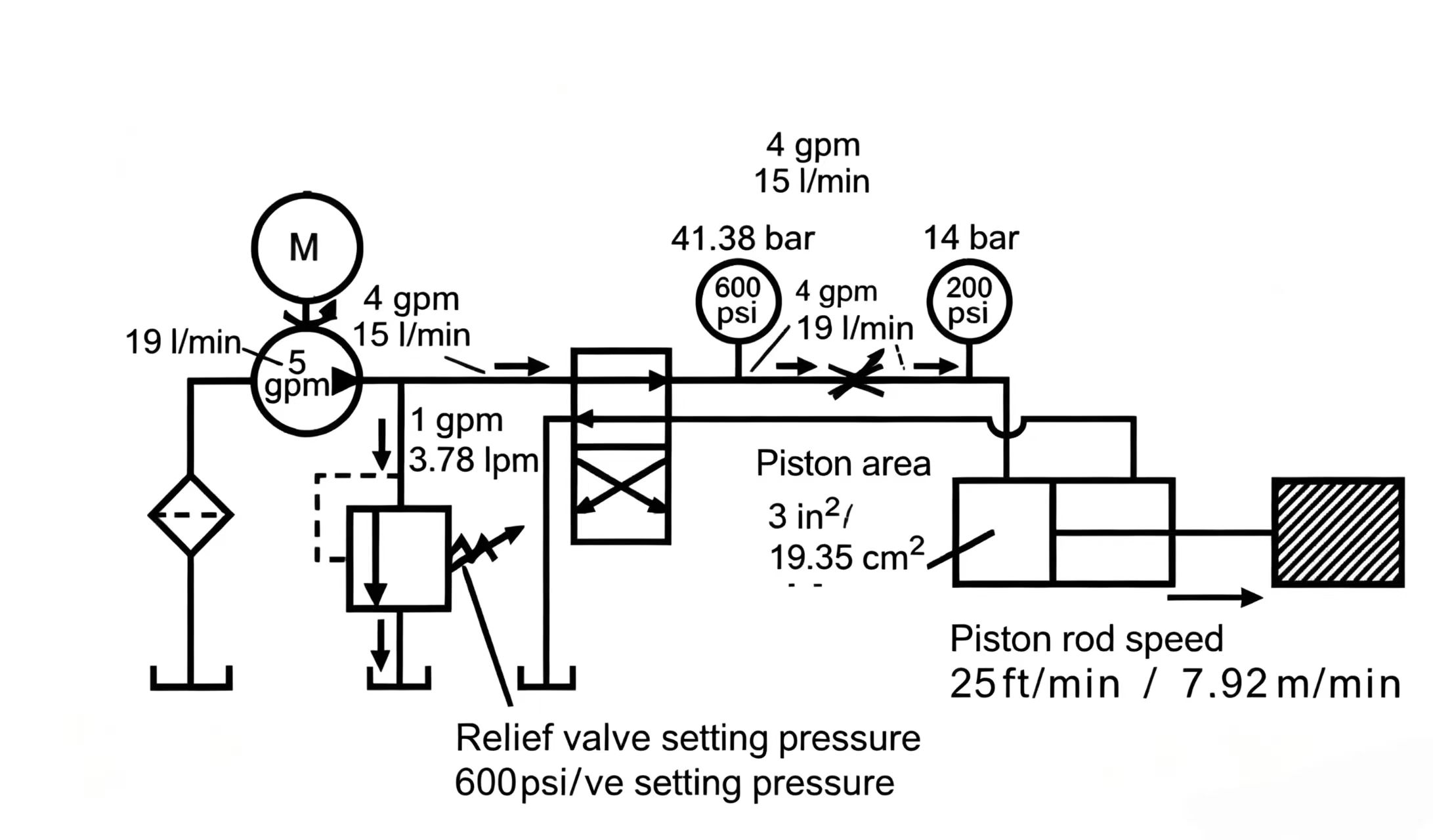
Obrázek 9-1: Regulační ventil průtoku v obvodu. Tento ventil omezuje průtok ke válci. Přebytečný průtok čerpadla odvádí přetlakový ventil. Omezený průtok se v otvoru mění na potenciální energii (rychlost).
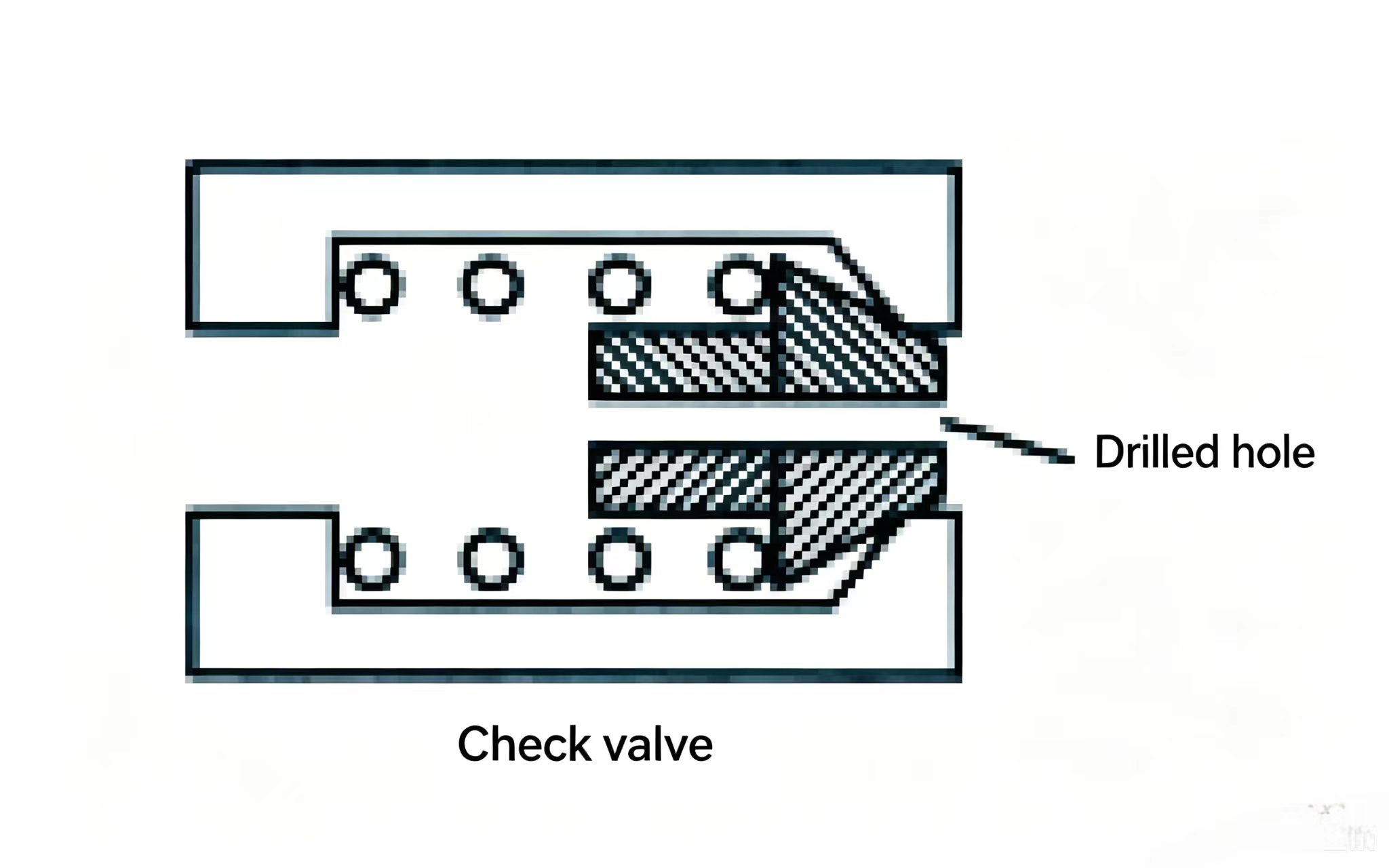
Fixní otvor má velikost otevření, kterou nelze upravit. Nejběžnějšími příklady v hydraulické technice jsou vrtaný otvor v zátkové trubce nebo zpětném ventilu nebo továrně nastavený regulační ventil průtoku.
Většinou je místo fixního potřebný proměnný otvor, protože je přizpůsobivější. Příklady proměnných otvorů zahrnují uzavírací klapky, kulové kohouty a jehlové ventily.
U uzavírací klapky je průtoková dráha přímá. Velikost otvoru se mění otočením knobu, čímž se otevírá nebo uzavírá uzávěrový disk v průtokové dráze. Ačkoli uzavírací klapky nejsou navrženy pro regulaci průtoku, v některých hrubých systémech měření průtoku lze použít jako zařízení pro omezení průtoku.
Průtokové dráhy kulového kohoutu nejsou přímé – vytvářejí 90° oblouk. Otvorem je sedlo a kuželový nebo kulový zátkový prvek na otočné průtokové dráze. Velikost otevření otvoru se upravuje změnou polohy kulového zátkového prvku.
Průtok přes jehlové ventily také provádí zatáčku o 90° a poté prochází otvorem. Tento otvor tvoří mezera mezi hrotem ventilové tyče s kuželovým zakončením a sedlem ventilu. Velikost otvoru se mění nastavením polohy kuželové plochy vzhledem ke sedlu ventilu. Protože závity na ventilové tyči jsou jemné a špička je kuželová, velikost otvoru se mění postupně. V hydraulických systémech je jehlový ventil nejčastěji používaným regulovatelným otvorem.
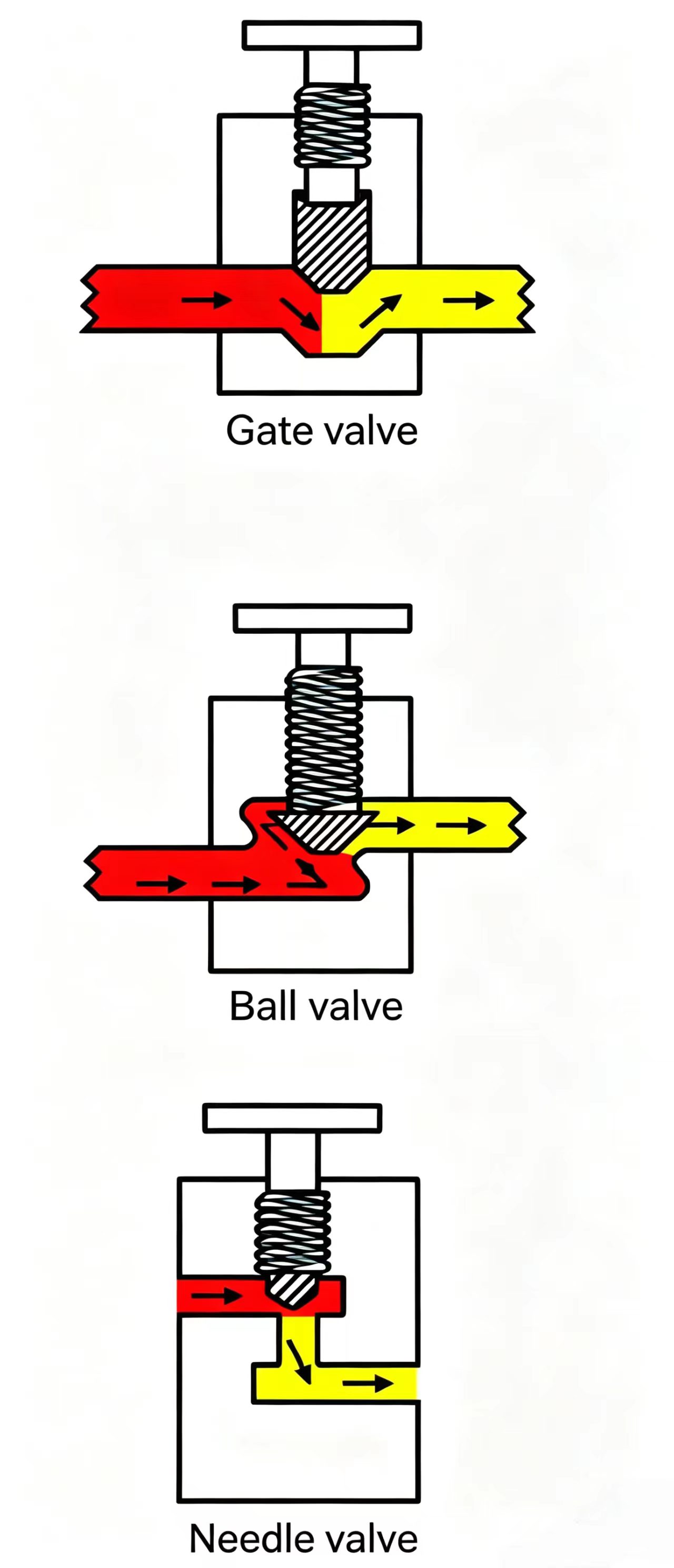
Obrázek 9-2: Typy regulovatelných otvorů. Jehlový ventil (dole) je v hydraulice nejběžnější – jeho kuželový hrot a jemné závity umožňují velmi přesnou a postupnou regulaci průtoku.
Příklad obvodu využívá objemové čerpadlo s výkonem 5 gpm (18,95 L/min), pojistný ventil, směrový ventil, regulovatelný otvor (jehlový ventil) a hydraulický válec s plochou pístu 3 in² (19,35 cm²). Pokud je pojistný ventil nastaven na 500 psi (34,48 baru) a čerpadlo dodává 5 gpm:
Rychlost tyče (ft/min) = gpm × 231 / (plocha pístu (in²) × 12)
Rychlost tyče (m/min) = L/min × 10 / plocha pístu (cm²)
Při omezení průtoku jehlovým ventilem pouze na 2 gpm (7,58 l/min) je rychlost tyče = 2 × 19,25 / 3 = 13 ft/min (3,96 m/min). Uvolňovací ventil omezuje tlak v systému na 500 psi (34,48 bar), přičemž zbývajících 3 gpm (11,37 l/min) odvádí do nádrže.
Vysunutí jehlového ventilu zvyšuje velikost průtokového otvoru – více kapaliny prochází do válce až do dosažení tlakového limitu uvolňovacího ventilu. Rychlost tyče se zvyšuje.
Zasunutí jehlového ventilu zmenšuje průtokový otvor. Do válce vstupuje méně kapaliny, čímž klesá rychlost tyče.
Průtok otvorem je ovlivněn tlakovým rozdílem. Protože tlak představuje potenciální energii v hydraulickém systému, tím větší je tlakový rozdíl napříč otvorem, tím větší je průtok.
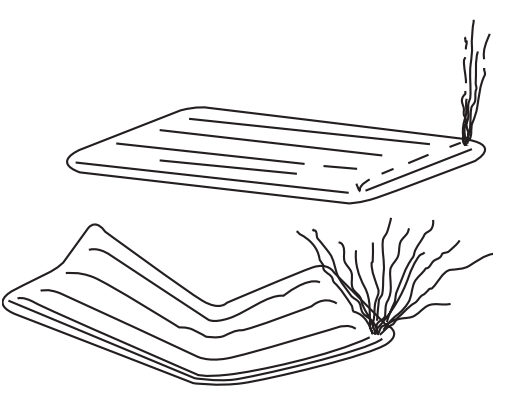
Po dni stráveném na pláži nebo na kempu vyjmete z nafouknutého nadouvání vzduchové matrace zátku a necháte vzduch volně unikat. Protože rozdíl mezi vnitřním a vnějším tlakem je malý, matrace pomalu klesne. Silně stiskněte matraci – vnitřní tlak se zvýší vzhledem k atmosférickému tlaku, rozdíl tlaků se zvětší a vzduch uniká rychleji.
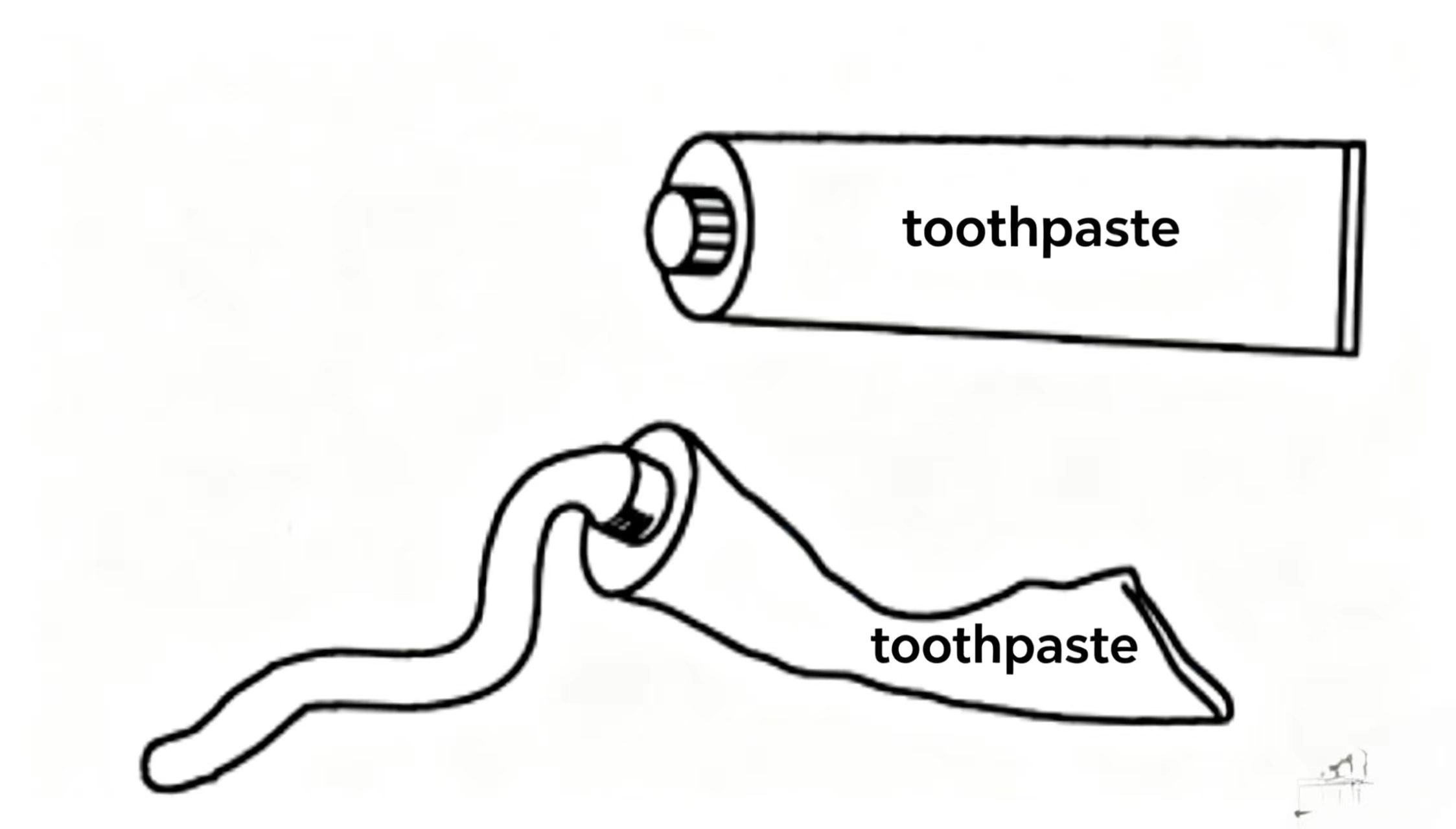
Jemně stiskněte tubu zubní pasty – vyleze malé množství. Silně stiskněte – vytlačí se více zubní pasty, která se může dostat i na podlahu. Pokud je tuba zubní pasty stouplá nohou, je rozdíl tlaku zevnitř a atmosférického tlaku větší než při stisknutí rukou, takže více zubní pasty vystříkne rychleji.
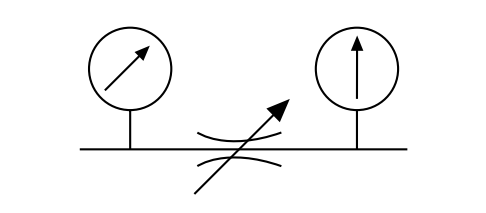
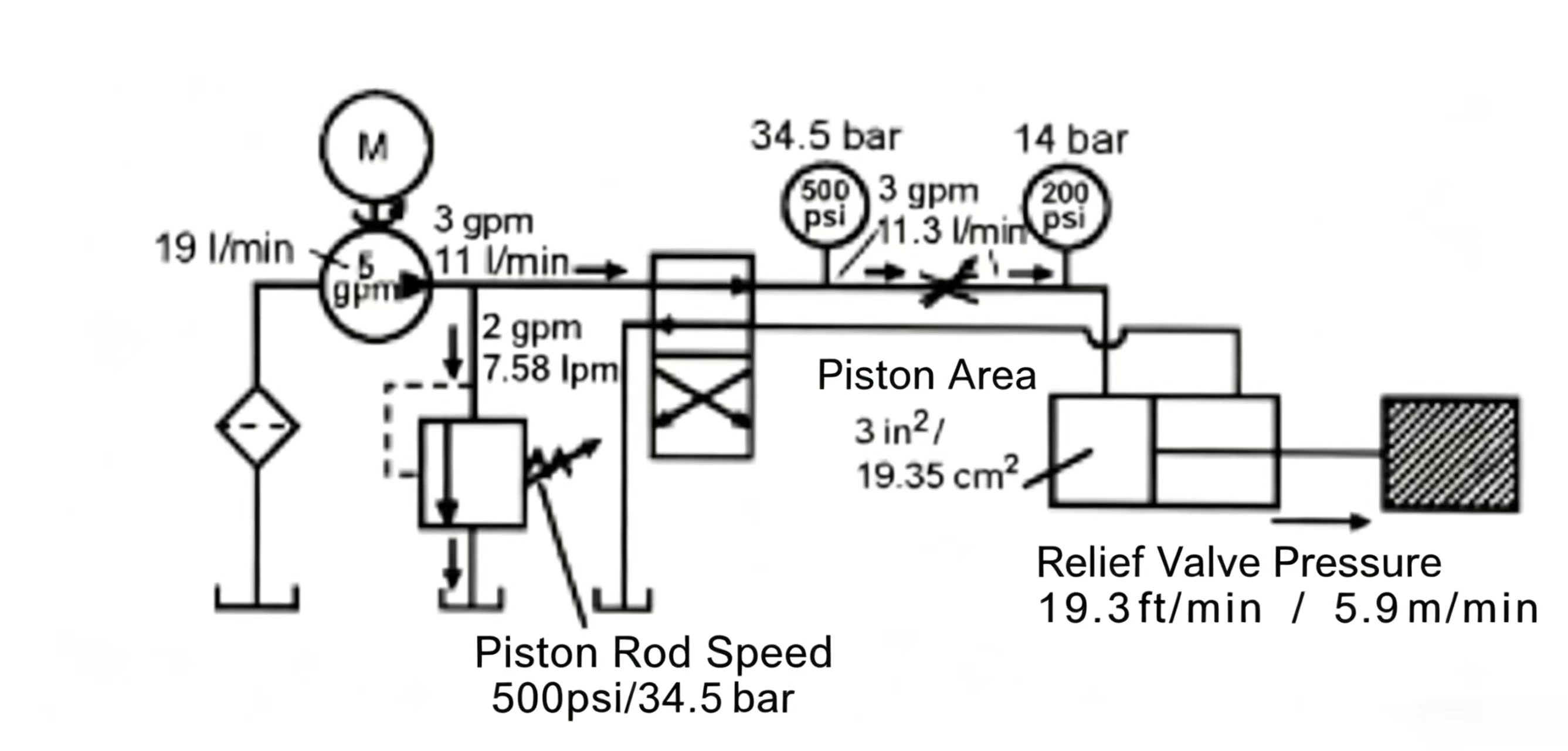
V zobrazeném obvodu jehlový ventil omezuje průtok čerpadla 5 gpm (18,95 l/min) na 3 gpm (11,37 l/min). Nastavení pojistného ventilu je 500 psi (34,48 bar). Odpor zátěže je 200 psi (14 bar). Vstupní tlak jehlového ventilu se rovná nastavení pojistného ventilu: 500 psi (34,48 bar). Z těchto 500 psi (34,48 bar) překonává 200 psi (14 bar) odpor zátěže; zbývající tlakový rozdíl 300 psi (21 bar) protlačuje 3 gpm (11,3 l/min) jehlovým ventilem a vytváří rychlost pístu 19,25 ft/min (5,87 m/min). Zbývajících 2 gpm (7,58 l/min) proteče pojistným ventilem do nádrže.
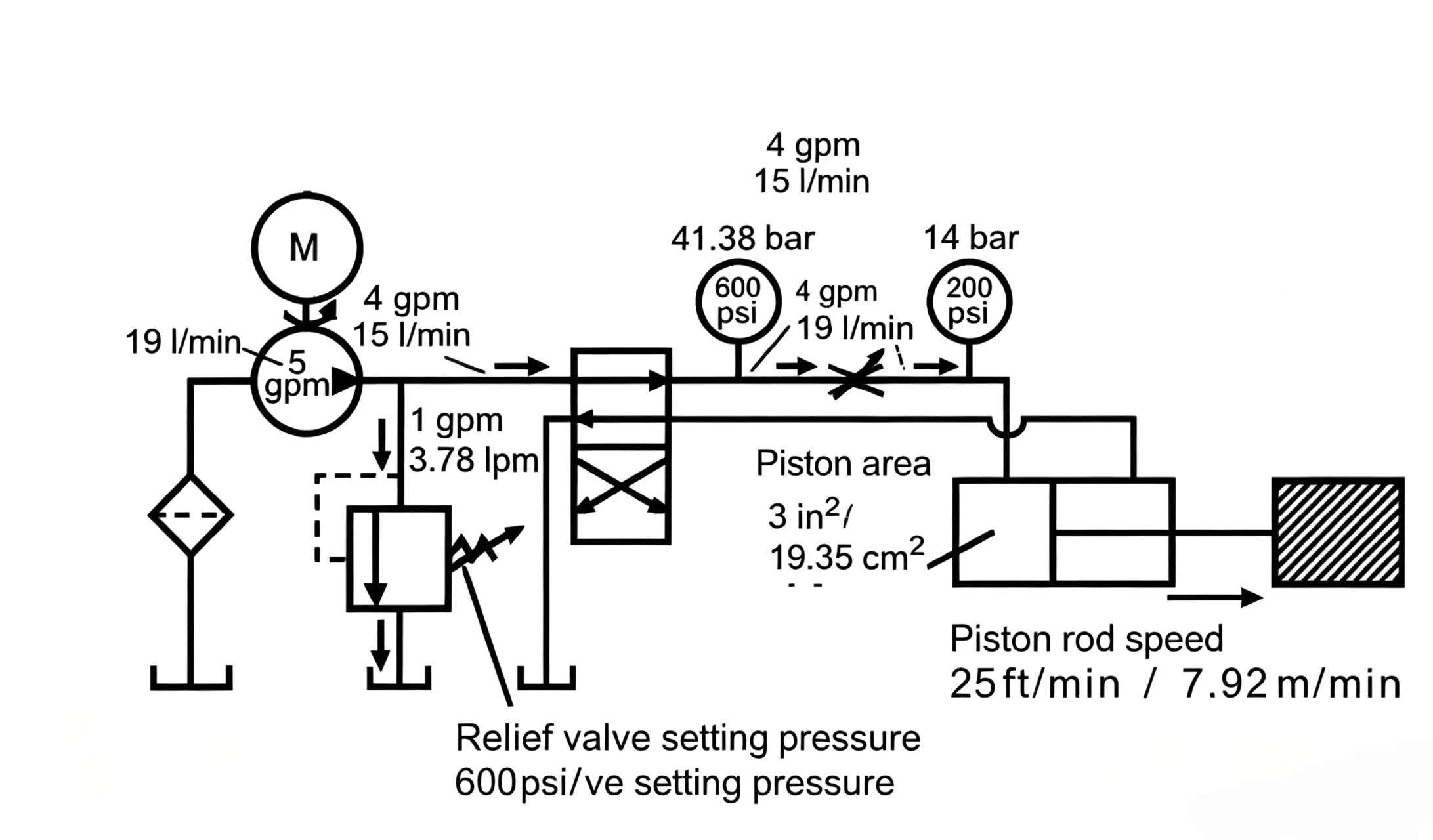
Při zachování tlaku zátěže a nastavení jehlového ventilu zvyšuje se nastavení pojistného ventilu na 600 psi (41,38 bar): vstupní tlak jehlového ventilu se tak stává 600 psi (41,38 bar). Z tohoto tlaku překonává 200 psi (14 bar) zátěž; tlakový rozdíl 400 psi (28 bar) nyní protlačuje 4 gpm (15 l/min) jehlovým ventilem. Rychlost pístu stoupá na 26 ft/min (7,92 m/min).
Obnovte nastavení pojistného ventilu na 500 psi (34,48 baru) bez změny jehlového ventilu. Zvýšení zátěže: tlak zátěže stoupne na 400 psi (28 barů). Vstupní tlak jehlového ventilu zůstává stále 500 psi (34,48 baru), ale nyní je rozdíl tlaků pouze 100 psi (6,9 baru), čímž se řídí průtok jehlovým ventilem – pouze 1 gpm (3,79 l/min). Rychlost pohybu pístu klesne na 6 ft/min (30 mm/s). Zbývajících 4 gpm (15 l/min) odteče přes pojistný ventil.
Toto ukazuje, že průtok jehlovým ventilem se mění při jakékoli změně tlaku na kterékoli straně trysky. Pro přesné dávkování průtoku jehlovým ventilem je nutné tyto změny tlaku eliminovat nebo kompenzovat.
Z uvedených příkladů vyplývá, že jakákoli změna tlaku na kterékoliv straně průtokového otvoru ovlivňuje průtok jehlového ventilu a tím i rychlost pohonného členu. Aby bylo možné přesně dávkovat průtok skrz průtokový otvor bez ohledu na změny tlaku, je nutné tyto tlakové změny kompenzovat. Jehlový ventil je nepřizpůsobitelný regulátor průtoku – jedná se o vhodné zařízení pro měření průtoku za předpokladu, že tlakový rozdíl zůstává konstantní a jehla je správně centrována. Pro přesnější regulaci průtoku je nutné použít tlakově kompenzovaný regulátor průtoku (regulátor rychlosti). Jedná se o regulátor průtoku, který kompenzuje změny tlaku před i za průtokovým otvorem.
Regulátory rychlosti (tlakově kompenzované regulátory průtoku) lze rozdělit na typ s předřazeným dávkováním a typ s obvodovým přesměrováním.
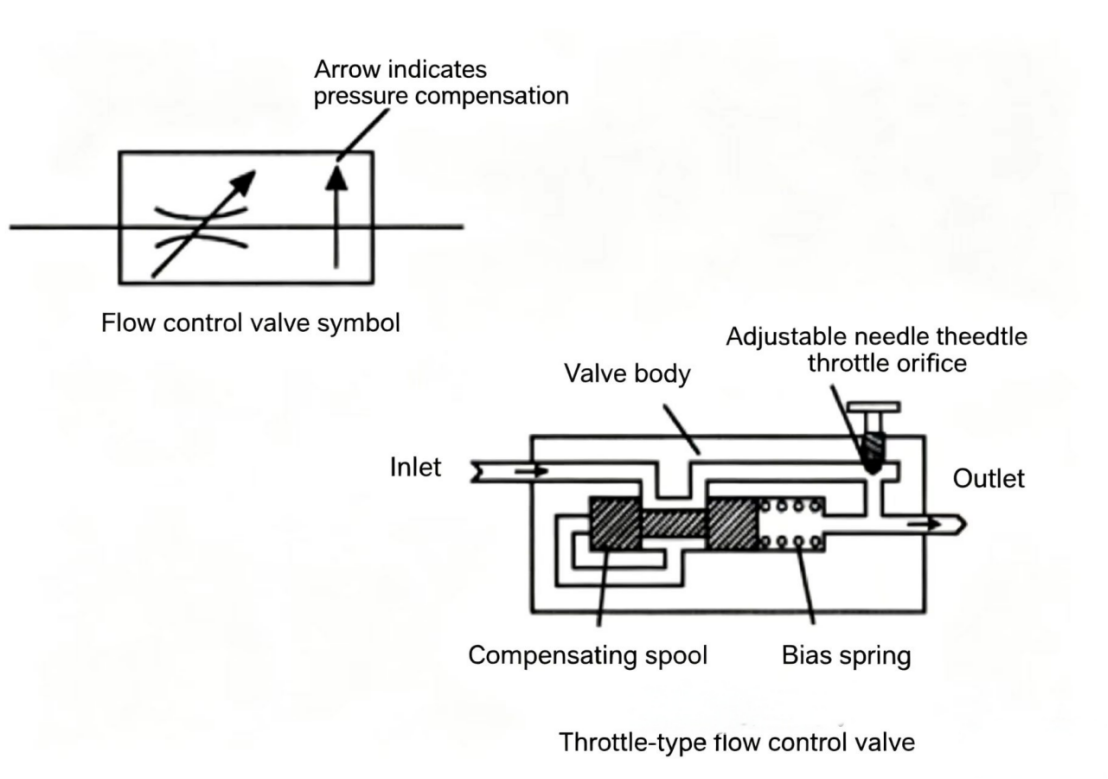
Regulátor rychlosti s předřazeným dávkováním s tlakovou kompenzací se skládá z těla ventilu se vstupním a výstupním připojením, jehlového ventilu, kompenzačního šoupna a předpínací pružiny.
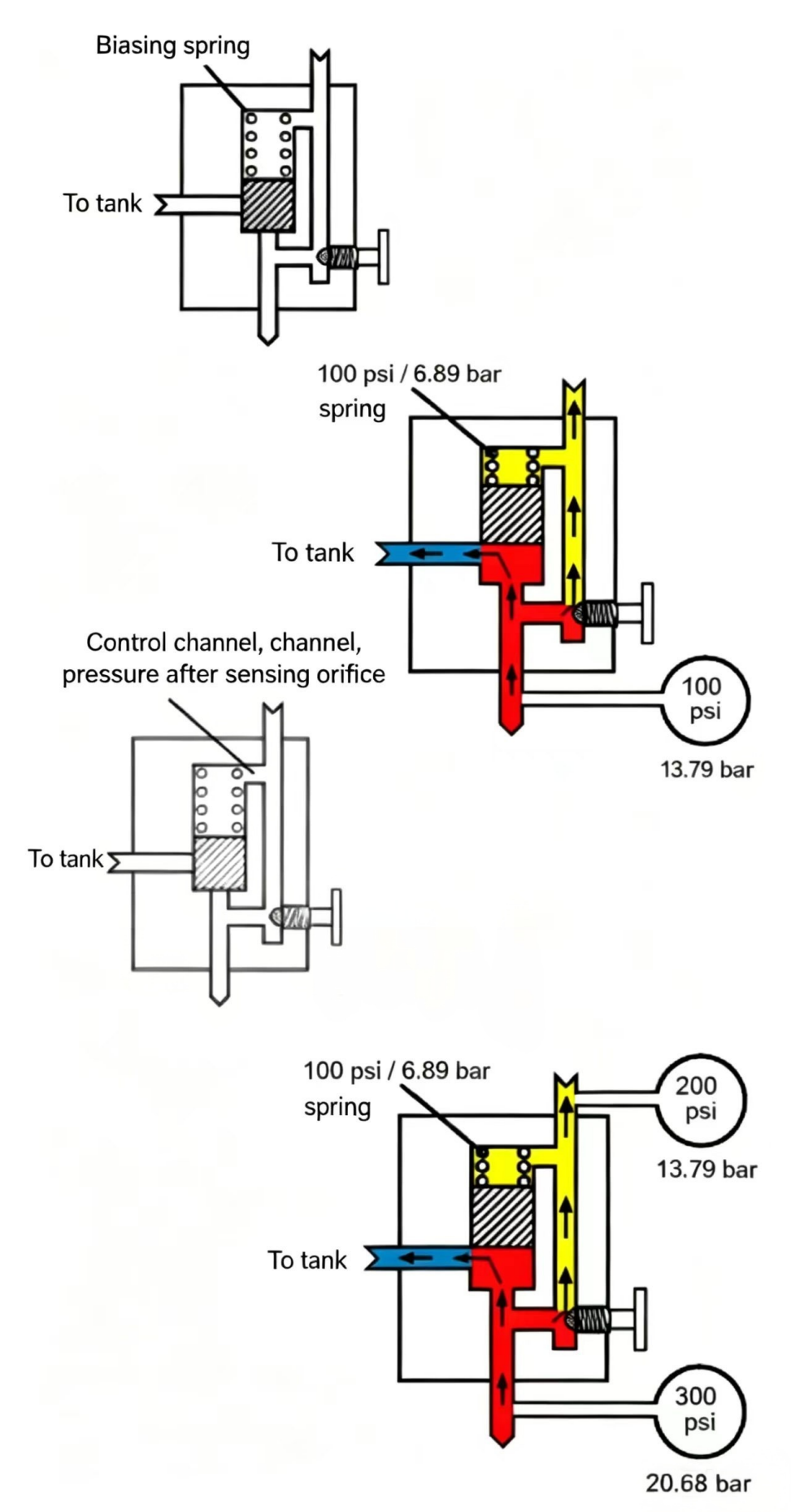
Abyste pochopili, jak funguje typ s přívodem do měřícího zařízení, analyzujeme jeho činnost krok za krokem. Když je kompenzační zdířka úplně posunuta na stranu A, veškerý přiváděný tlakový olej dosáhne otvoru jehlového ventilu. Jakmile se kompenzační zdířka mírně posune směrem ke straně B, přiváděný tlakový olej se škrtí. Aby zůstal průtokový průřez otevřený, je kompenzační zdířka pružinou přitlačována ke straně A. Tlak na vstupu jehlového ventilu se snímá prostřednictvím vnitřní řídicí trubky na konci A kompenzační zdířky – pokud tlak stoupne nad sílu předpínací pružiny, zdířka se posune směrem ke straně B.
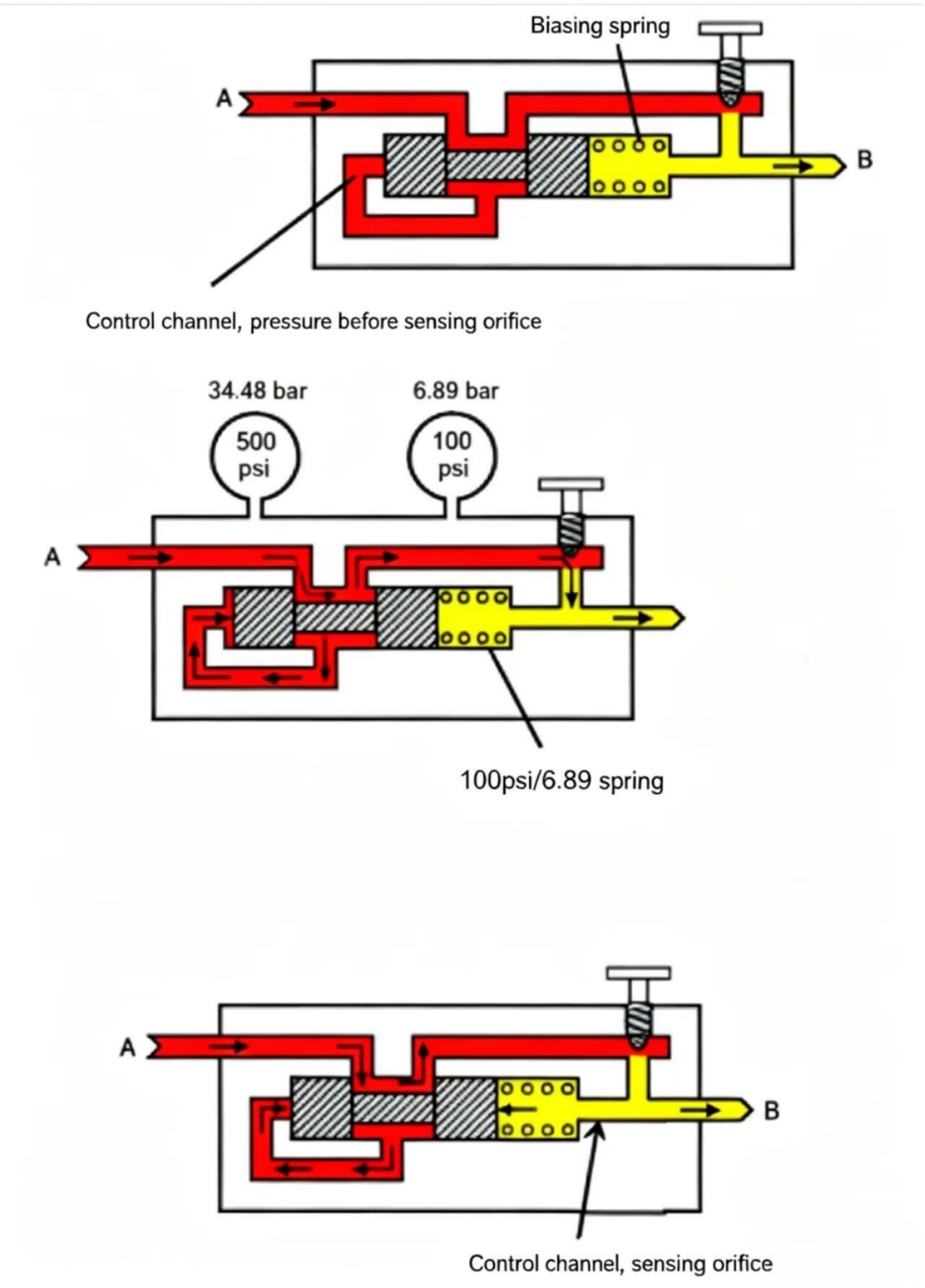
Pokud je otvor jehlového ventilu nastaven tak, že jím prochází méně než plný průtok čerpadla, stoupá vstupní tlak jehlového ventilu na hodnotu nastavení pojistného ventilu. Jakmile vstupní tlak jehlového ventilu překročí sílu pružiny kompenzačního uzavíracího šoupátka, posune se kompenzační uzavírací šoupátko směrem k bodu B a omezuje přitékající průtok. Jakmile se průtok otvorem kompenzačního uzavíracího šoupátka rovná výstupnímu průtoku čerpadla, stabilizuje se vstupní tlak jehlového ventilu na hodnotu tlaku pružiny. Například při hodnotě pružiny 100 psi (6,89 bar) a nastavení pojistného ventilu na 500 psi (34,48 bar): vstupní tlak je 500 psi (34,48 bar); při průtoku oleje otvorem kompenzačního uzavíracího šoupátka se 400 psi (28 bar) přemění na teplo, čímž klesne vstupní tlak jehlového ventilu na 100 psi (6,89 bar). To znamená, že bez ohledu na vstupní tlak regulačního ventilu průtoku je díky pohybu kompenzačního uzavíracího šoupátka udržován vstupní tlak jehlového ventilu na hodnotě 100 psi (6,89 bar).
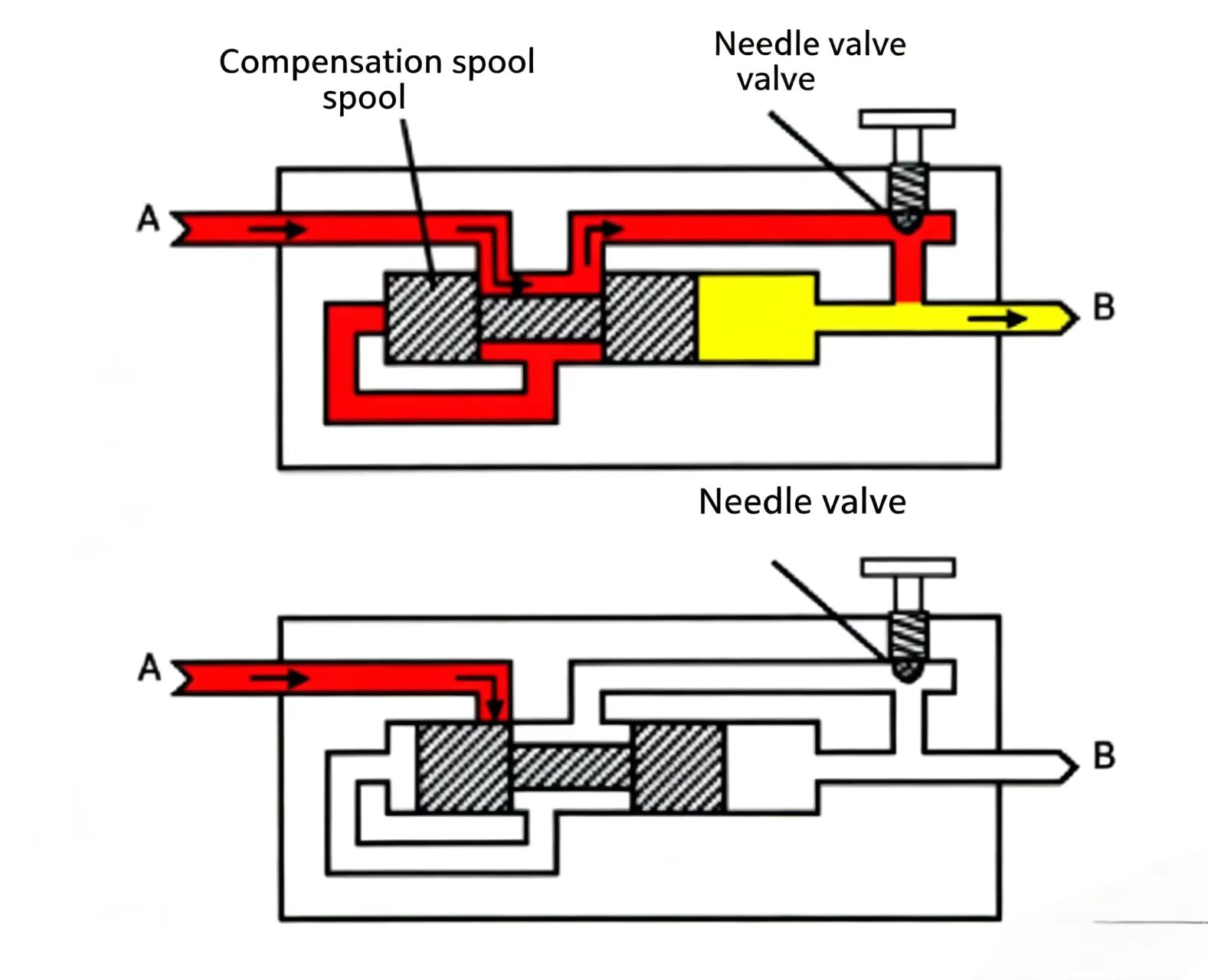
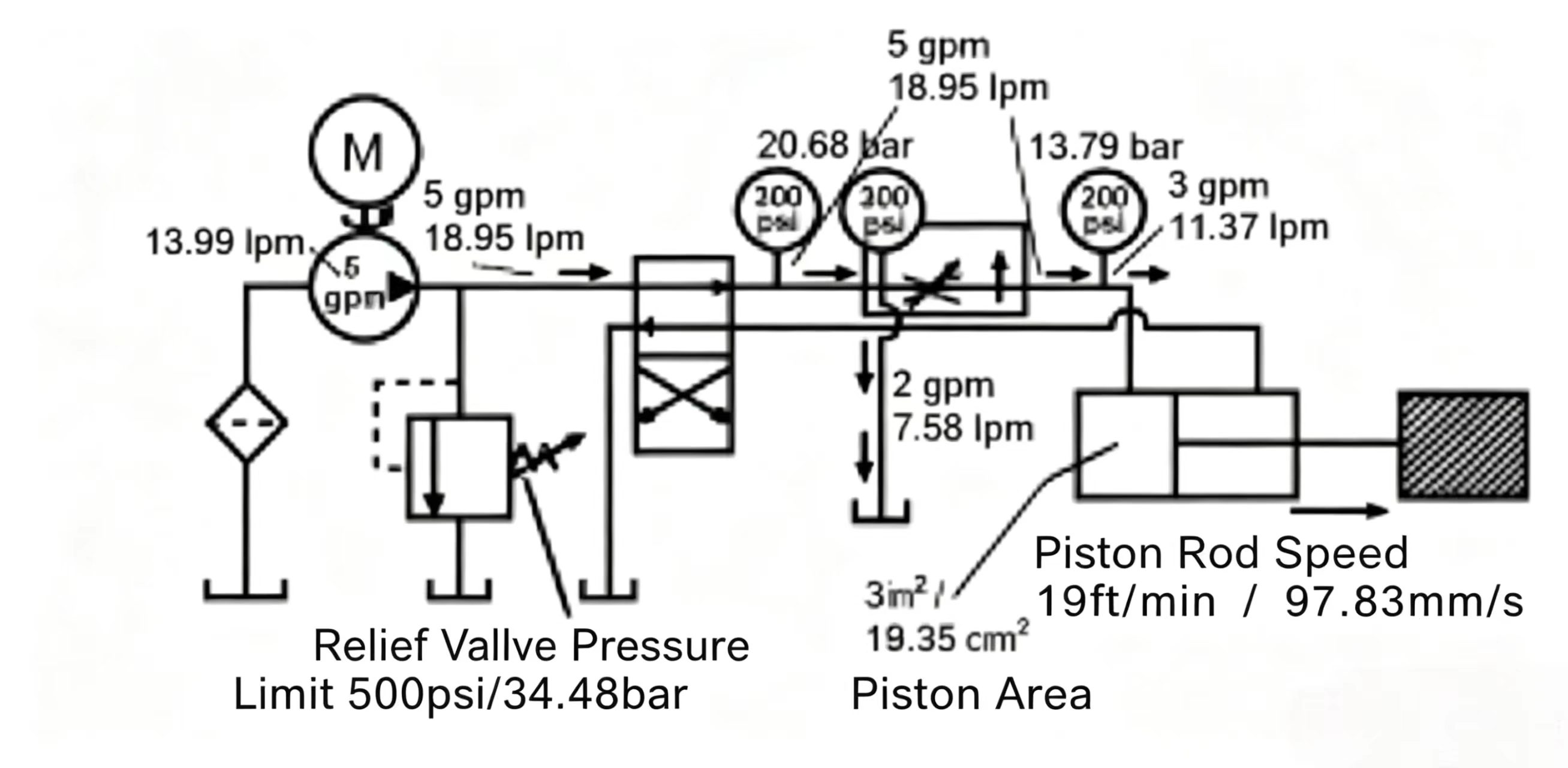
Obrázek 9-5 Regulační ventil pro řízení rychlosti přívodem (tlakově kompenzovaný). Kompenzační zdvihový rozváděč udržuje tlakový spád napříč jehlovým ventilem konstantní bez ohledu na změny vstupního nebo výstupního tlaku — a tím zajišťuje přesný, stálý průtok.
U dřívějšího obvodu s jehlovým ventilem je tlakový rozdíl napříč otvorem jehlového ventilu pouze polovinou příběhu — tlak za jehlovým ventilem musí být také kompenzován. Jinými slovy je nutné udržovat konstantní tlakový rozdíl. K tomuto účelu je tlak za jehlovým ventilem rovněž vedeno přes řídicí kanál do kompenzačního prostoru pružiny kompenzačního zdvihového rozváděče. Nyní působí na stranu A kompenzačního zdvihového rozváděče dvě síly: síla pružiny a tlak oleje za jehlovým ventilem.
Pokud je síla pružiny = 100 psi (6,89 baru), tlakový rozdíl u jehlového ventilu bude omezen na hodnotu vyšší než tlak v proudové linii za ventilem o 100 psi (6,89 baru). Pokud je přetlakový ventil nastaven dostatečně vysoko, tlakový rozdíl na jehlovém otvoru se vždy rovná hodnotě tlaku pružiny. Tímto způsobem zůstává tlakový rozdíl, který způsobuje proudění prostřednictvím jehlového ventilu, konstantní – není ovlivněn kolísáním tlaku v proudové linii před nebo za ventilem.
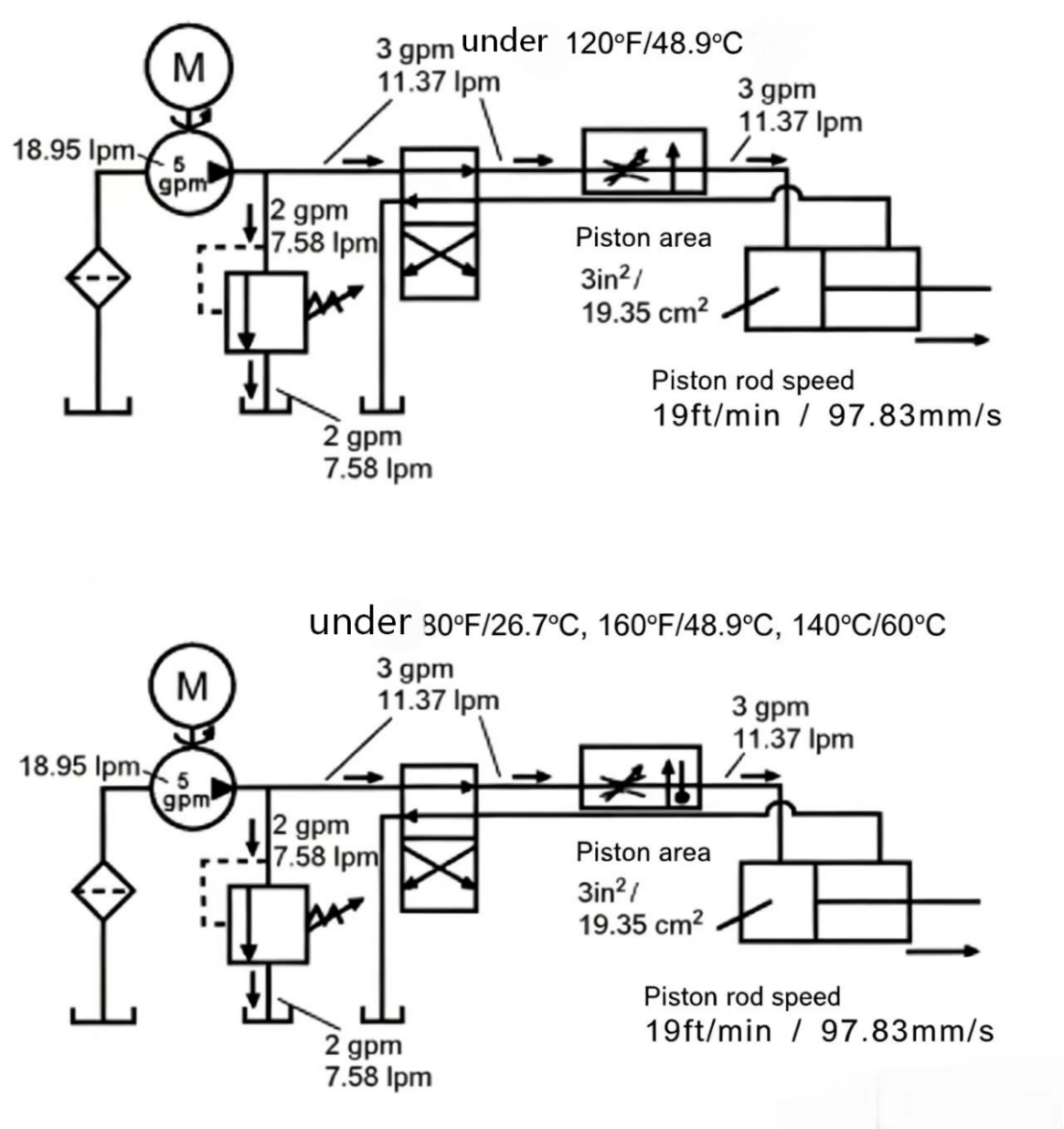
V obvodu je regulační ventil pro řízení rychlosti při vstupu nastaven na 3 gpm (11,37 l/min). Přetlakový ventil je nastaven na 500 psi (34,48 baru), tlak zátěže činí 200 psi (13,79 baru). Pružina kompenzačního zdvihového šoupátka má předpínací tlak 100 psi (6,89 baru). Čerpadlo se snaží protlačit celých 5 gpm (18,95 l/min) přes jehlový ventil, čímž dochází k nárůstu tlaku na vstupu jehlového ventilu. Při tlaku 300 psi (21 baru) se kompenzační zdvihové šoupátko přemístí a omezí průtok, čímž se tlak na vstupu regulačního ventilu zvýší na nastavení přetlakového ventilu, tj. na 500 psi (34,48 baru). Z těchto 500 psi (34,48 baru) je 200 psi (13,79 baru) využito k překonání zátěže; 100 psi (6,89 baru) pohání průtok jehlovým ventilem; zbývajících 200 psi (13,79 baru) z celkových 500 psi se přemění na teplo při průtoku otvorem kompenzačního zdvihového šoupátka. Průtok zde činí 3 gpm (11,37 l/min) a rychlost pohybu pístnice je 19 ft/min (97,83 mm/s).
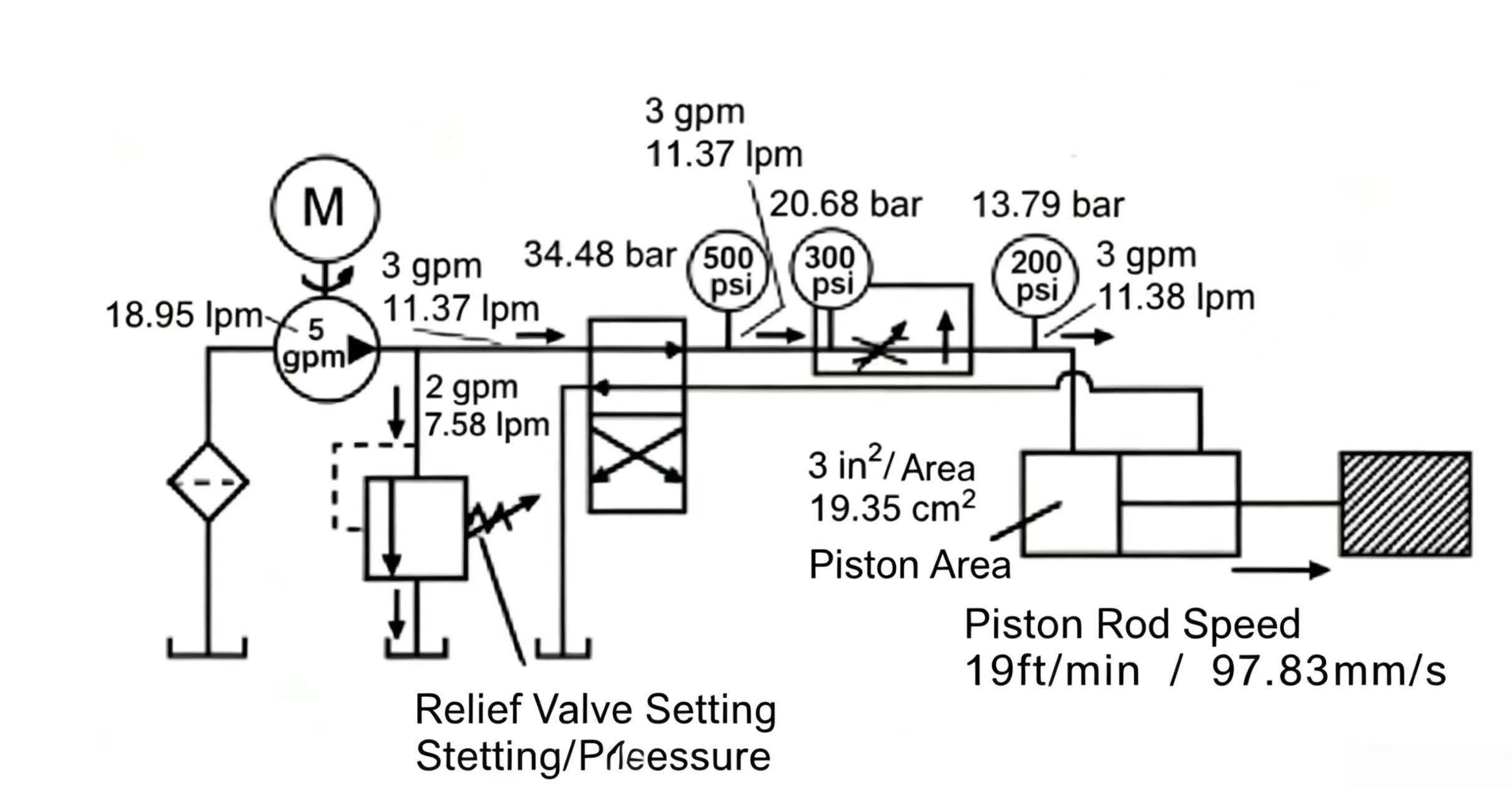
Pokud se tlak zátěže zvýší na 400 psi (27,58 baru) nebo je omezení tlaku znovu nastaveno na 600 psi (41,38 baru), stále prochází jehlovým ventilem proud s tlakovým spádem 100 psi (6,89 baru). Pokud je nastavení omezení tlaku dostatečně vysoké na to, aby se posunul kompenzační šoupátkový prvek, bude výstupní průtok do válce konstantní a činí 3 gpm (11,37 L/min).
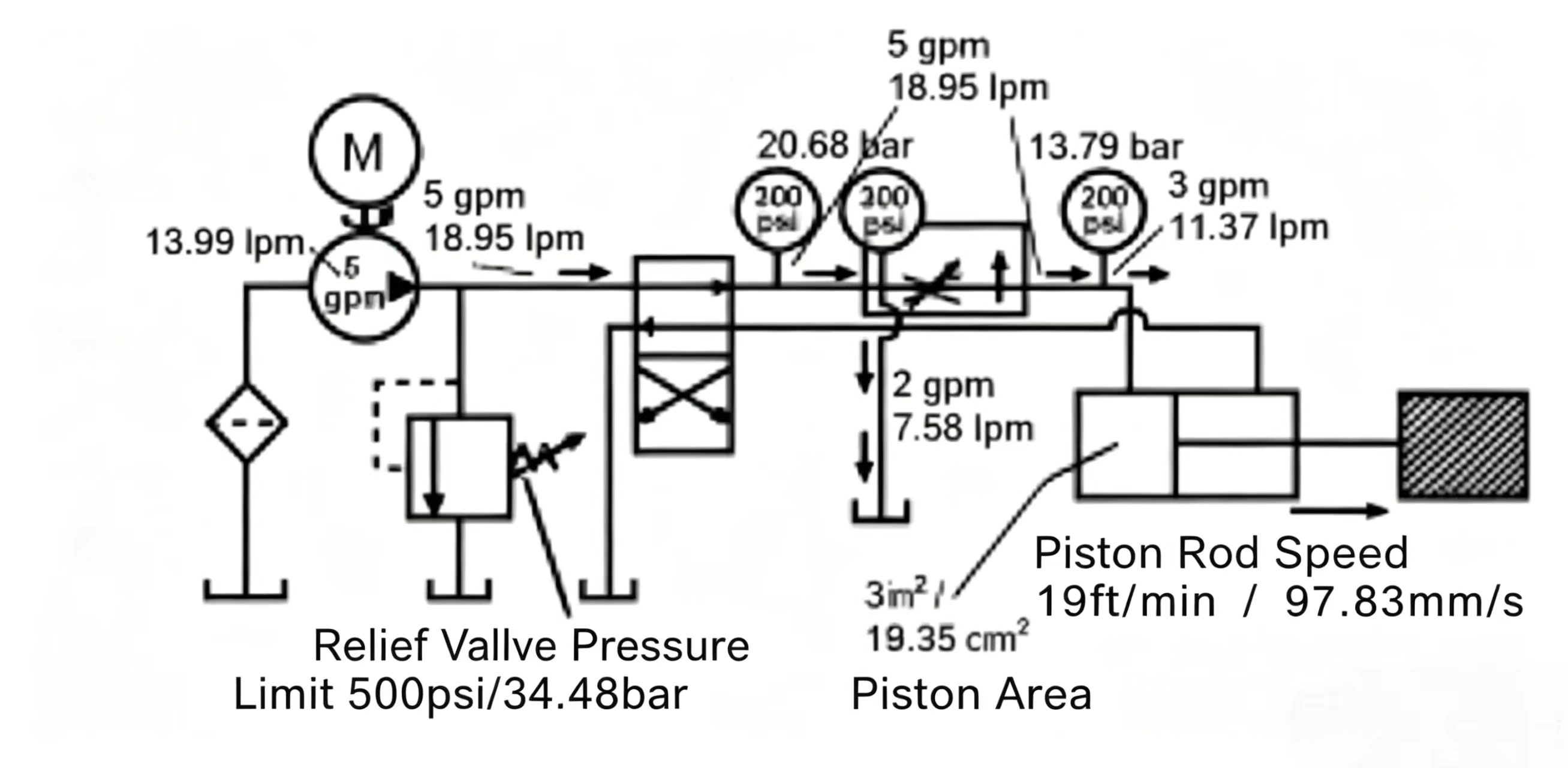
Regulační ventil rychlosti typu bypass se skládá z těla ventilu se vstupním, výstupním a návratovým přípojem, jehlového ventilu, kompenzačního šoupátkového prvku a předpínací pružiny.
Kompenzační šoupátkový prvek tohoto ventilu otevírá a uzavírá obvodovou cestu do nádrže. Kompenzační šoupátkový prvek je pružinou předepnut k uzavření (spodní poloha). Pokud má pružina sílu 100 psi (6,89 baru), bude vstupní tlak jehlového ventilu omezen na 100 psi (6,89 baru). V počátečním stavu je celý průtok ventilem směrován přímo do olejové nádrže. Za normálního provozu je kompenzační šoupátkový prvek pružinou předepnut v uzavřené poloze.
Vstupní tlak jehlového ventilu je snímán prostřednictvím vnitřní řídicí dráhy na horní část kompenzačního šoupátka. Pokud tlak stoupne nad sílu pružiny, kompenzační šoupátko funguje jako pojistný ventil – otevře přesměrovací dráhu a omezuje vstupní tlak jehlového ventilu na 100 psi (6,89 bar). Stálý vstupní tlak jehlového ventilu nezaručuje konstantní průtok – pokud se změní tlak na výstupní straně, změní se i tlakový rozdíl na jehlovém otvoru a tím i průtok.
K vyrovnání této skutečnosti je tlak na výstupní straně jehlového ventilu vedeno řídicí dráhou do kompenzačního prostoru pružiny šoupátka. Nyní má strana A kompenzačního šoupátka dvě působící síly: sílu pružiny a tlak oleje na výstupní straně. Pokud je síla pružiny rovná 100 psi (6,89 bar), bude vstupní tlak jehlového ventilu omezen na hodnotu 100 psi (6,89 bar) nad tlakem na výstupní straně. Pokud je pojistný ventil nastaven dostatečně vysoko, je tlakový rozdíl na jehlovém otvoru rovný 100 psi (6,89 bar) – konstantní.
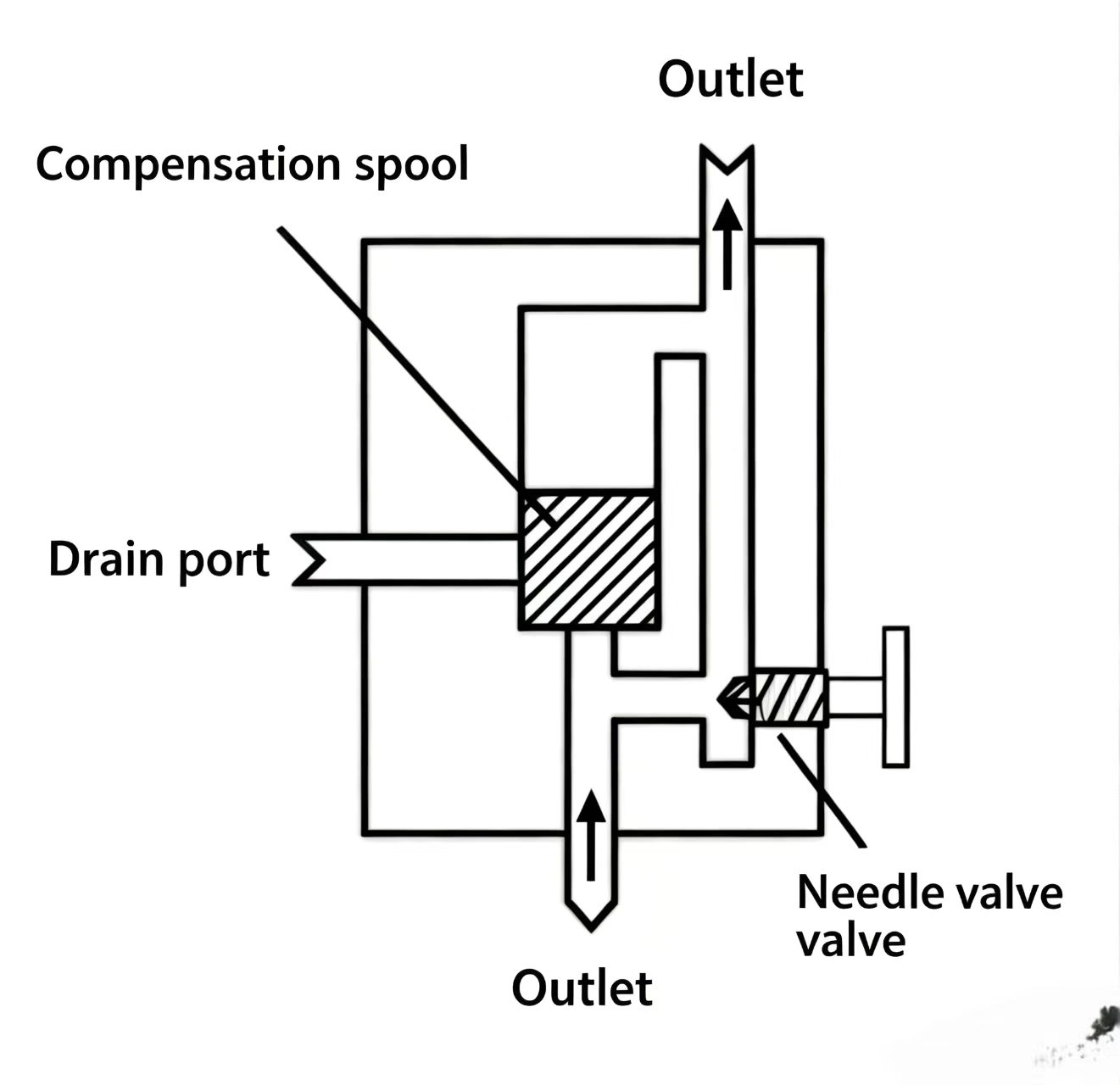
Regulační ventil pro řízení rychlosti typu bypass nastavený na 3 gpm (11,37 L/min). Omezení tlaku 500 psi (34,48 baru), zátěž 200 psi (13,79 baru), pružina = 100 psi (6,89 baru). Čerpadlo se snaží protlačit celých 5 gpm (18,95 L/min) přes jehlový ventil. Kompenzační zdvihový rozváděč otevře bypassovou dráhu a omezí vstupní tlak jehlového ventilu na 300 psi (20,68 baru). Z tohoto tlaku 300 psi: 200 psi (13,79 baru) překonává zátěž a 100 psi (6,89 baru) protlačuje 3 gpm (11,37 L/min) přes jehlový ventil. Zbývajících 2 gpm (7,58 L/min) je odvedeno přes otevřenou dráhu kompenzačního zdvihového rozváděče zpět do nádrže.
Obrázek 9-8: Obvod pro řízení rychlosti typu bypass. Kompenzační zdvihový rozváděč odvádí nadbytečný průtok čerpadla přímo do nádrže místo toho, aby ho vedl přes pojistný ventil. Tento způsob je energeticky účinnější než typ s omezením průtoku na vstupu, protože nadbytečný průtok neprochází celým systémem za plného provozního tlaku.
Pokud tlak zatížení stoupne na 400 psi (27,58 baru) nebo je omezení tlaku znovu nastaveno na 600 psi (41,38 baru), stále působí tlak 100 psi (6,89 baru), který protlačuje proud přes jehlový ventil. Pokud je omezení tlaku nastaveno dostatečně vysoko na otevření kompenzačního zdvihového šoupátka, je výstup do válce konstantní 3 gpm (11,37 L/min).
Jak bylo uvedeno na začátku této kapitoly, tři hlavní faktory ovlivňující průtok otvorem jsou velikost otvoru, tlakový rozdíl a teplota oleje. Při změně teploty oleje se mění jeho viskozita – a při změně viskozity oleje se mění i průtok otvorem. U pevných otvorů nebo jehlových ventilů jsou změny průtoku způsobené teplotou obvykle nepatrné, protože velikost otvoru a tlakový rozdíl jsou obecně výrazně větší než účinky změny viskozity. Pro aplikace vyžadující velmi přesnou regulaci průtoku je však nutné zohlednit vliv teploty. Rychlostní regulační ventily typu „do pracovního válce“ i typu „přesměrování“ jsou obecně vhodné pro běžné průmyslové hydraulické aplikace.
Pro aplikace vyžadující extrémně přesnou regulaci průtoku – bez ohledu na změny teploty – lze použít průtokový regulační ventil s teplotní kompenzací. Tento typ ventilu rovněž kompenzuje vliv teploty.
Pojem |
Vzorec |
Poznámky |
Rychlost pístnice při regulaci průtoku |
v = Q_controlled × 19,25 / A |
Q_controlled = průtok jehlou, A = plocha pístu v in² |
Tlakový spád přes otvor |
δP přes jehlu = hodnota pružiny |
Udržováno konstantní kompenzačním zdvihem |
Přebytečný průtok čerpadla |
Q_excess = Q_pump − Q_controlled |
Odveden přes tlakový omezovač (přívodní řízení) nebo přes obvodový zdvih (typ s obvodovým řízením) |
Hlavní rozdíl |
Přívodní řízení: přebytečný průtok přes tlakový omezovač |
Typ s obvodovým řízením: přebytečný průtok přes zdvih přímo do nádrže — účinnější |

Welcome to HOVOO, a Chinese seal factory. Production of PU, Rubber and PTFE seals. The seals include O-ring, piston seal, rod seal, Gray ring and gas seal.


 EN
EN
 AR
AR CS
CS DA
DA NL
NL FI
FI FR
FR DE
DE EL
EL IT
IT JA
JA KO
KO NO
NO PL
PL PT
PT RO
RO RU
RU ES
ES SV
SV TL
TL IW
IW ID
ID LV
LV SR
SR SK
SK VI
VI HU
HU MT
MT TH
TH TR
TR FA
FA MS
MS GA
GA CY
CY IS
IS KA
KA UR
UR LA
LA TA
TA MY
MY
