33-99No. Mufu E Rd. Gulou District, Nanjing, China [email protected] | [email protected]
33-99No. Mufu E Rd. Gulou District, Nanjing, China [email protected] | [email protected]

Machines are built to replace human labor. Yet many people feel uneasy around them because they do not understand how machines work. This chapter defines the basic physical concepts — force, energy, work, power, and pressure — that come up in every later chapter of this course.
Note: The definitions here are intended to be practical for use in this course. They describe how these concepts are used throughout this textbook.
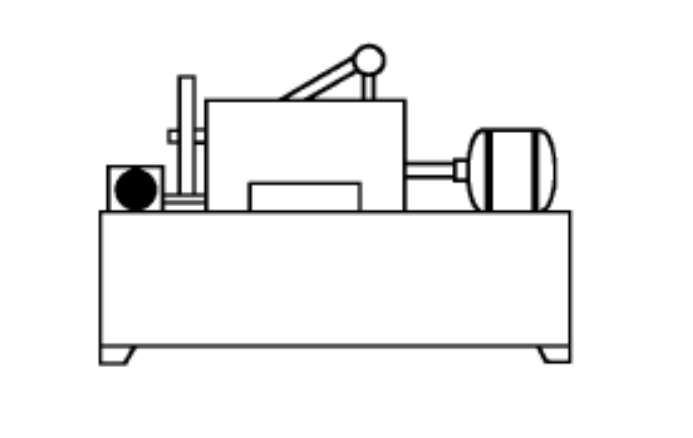
Figure 1-1 A typical industrial hydraulic power unit. The pump, motor, reservoir, and valves are often combined in one housing like this.
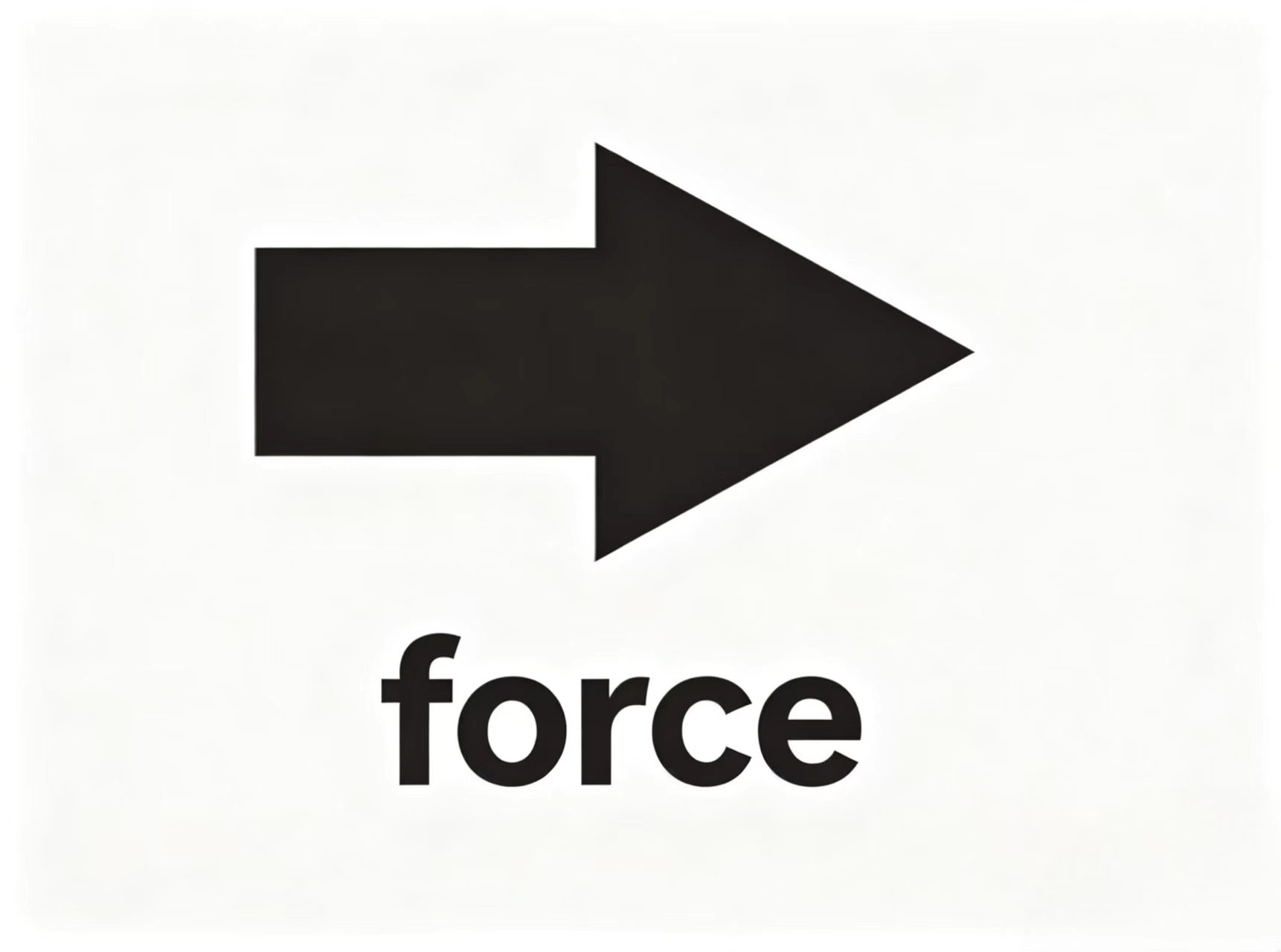
A force is any action that changes — or tries to change — the motion state of an object.
The SI unit of force is the newton (N). In US customary units, force is measured in pounds (lbs).
A force can do three things to an object:
Any force that slows down or stops motion is called a resistance. The two most common resistances in hydraulic machines are friction and inertia.
Friction is the resistance that exists at the contact surface between any two objects that are moving — or tending to move — relative to each other.
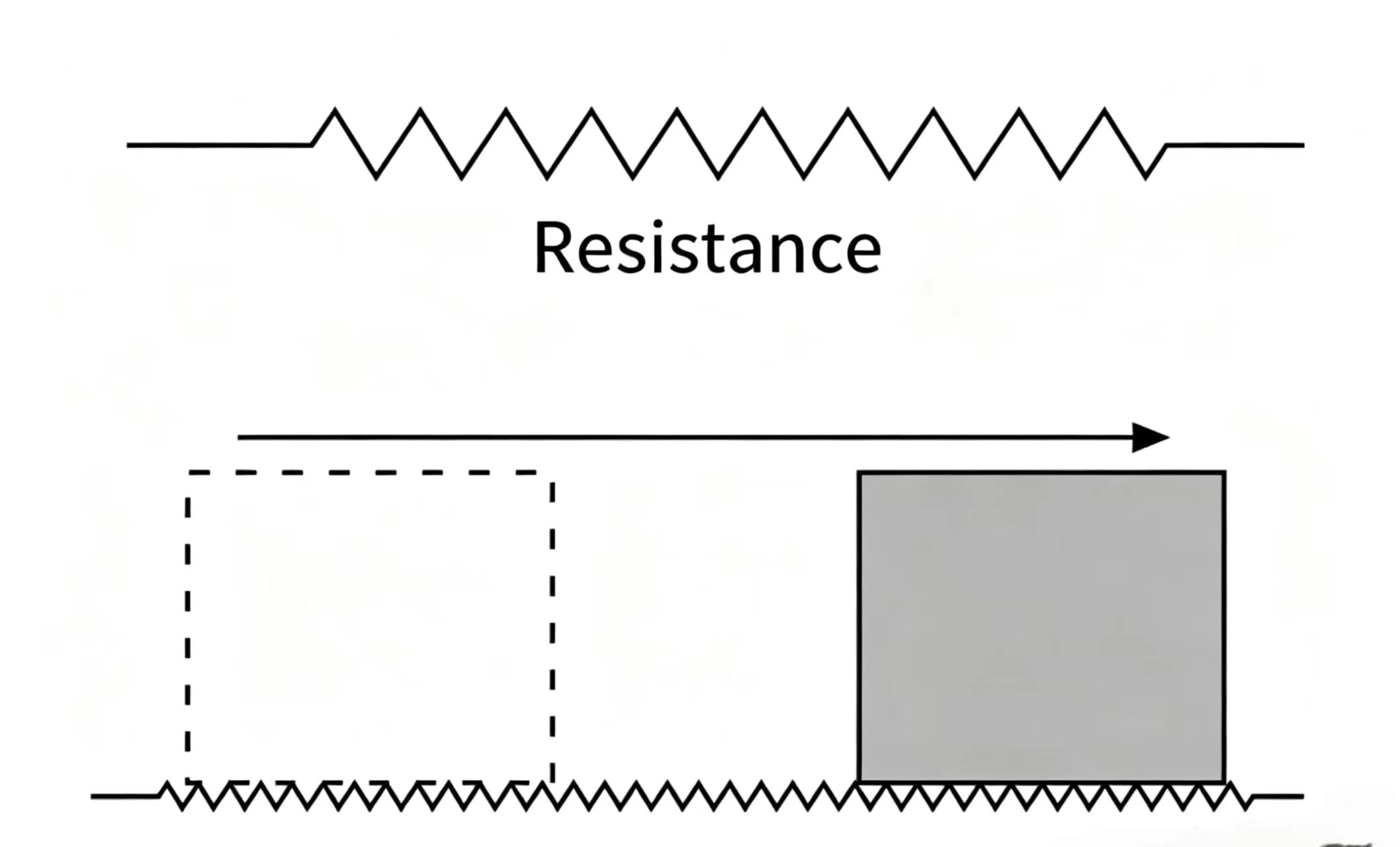
Figure 1-3 Friction acts wherever two surfaces are in contact and sliding against each other.
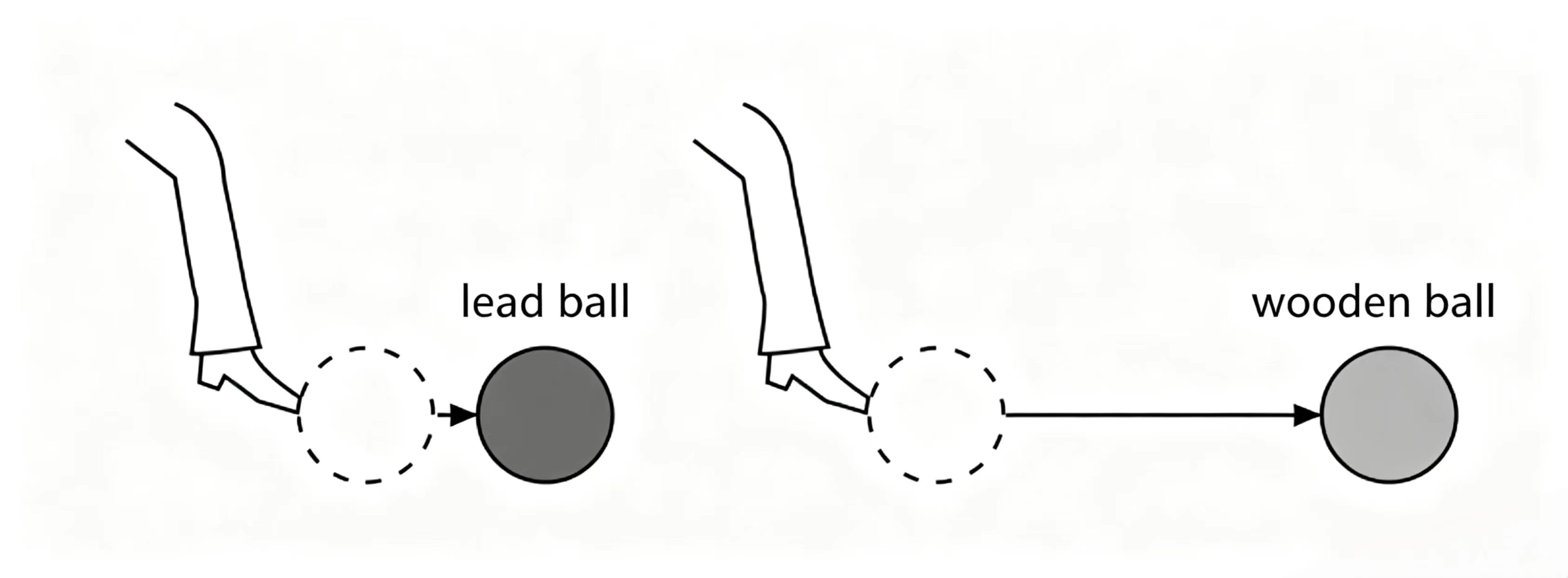
Inertia is the tendency of an object to keep its current state of motion. An object at rest stays at rest; a moving object keeps moving. Inertia is directly related to mass: a heavier object is harder to start or stop.
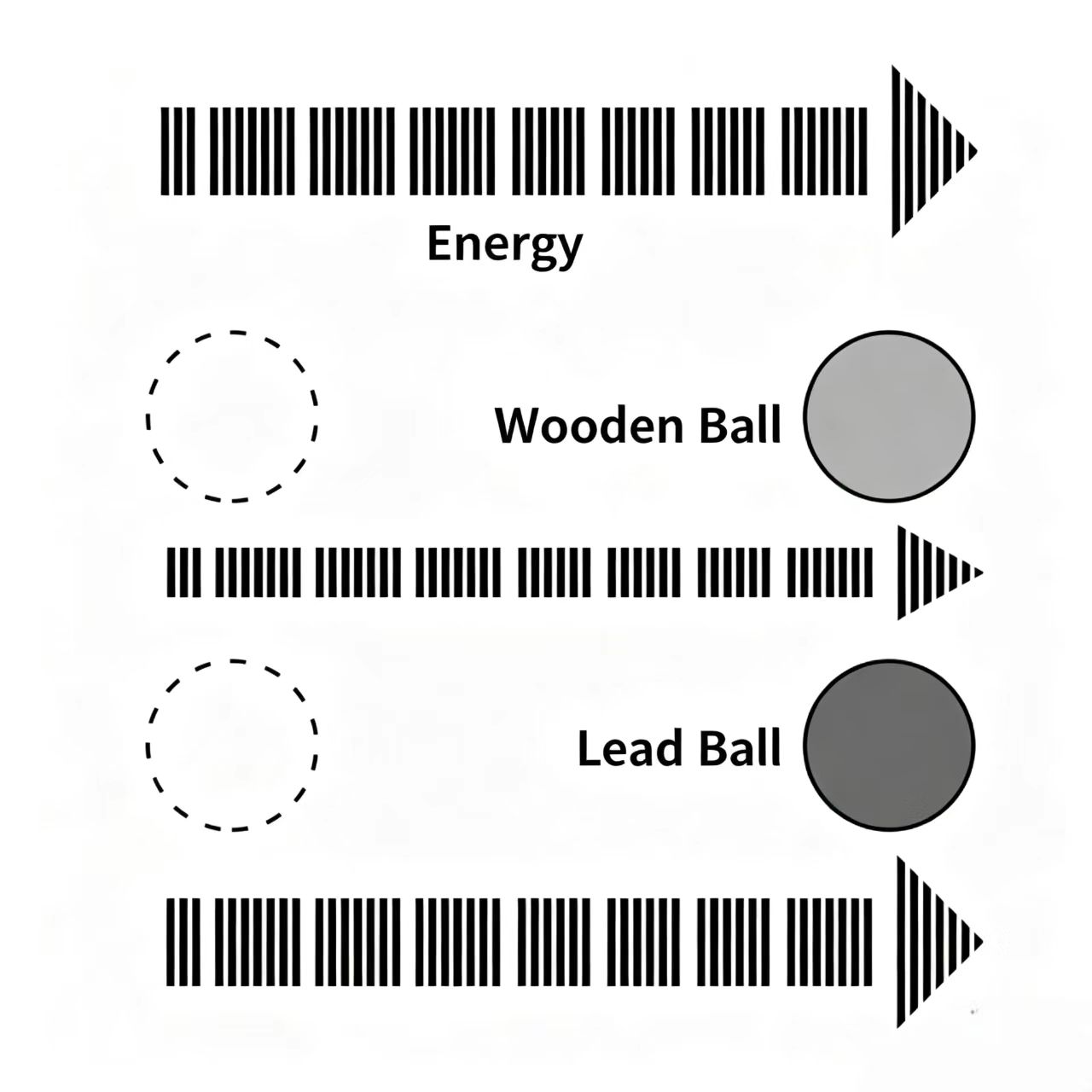
Example: A lead ball has more inertia than a wooden ball. Kick both with the same force and the wooden ball travels faster and farther, showing that the lead ball resists the change in motion more.
Energy is what a force possesses when it is capable of making something move. In simple terms: energy is the ability to do work.
Kinetic energy is the energy of motion. Any moving object has kinetic energy because it can push other things and make them move. The heavier and faster it moves, the more kinetic energy it has.
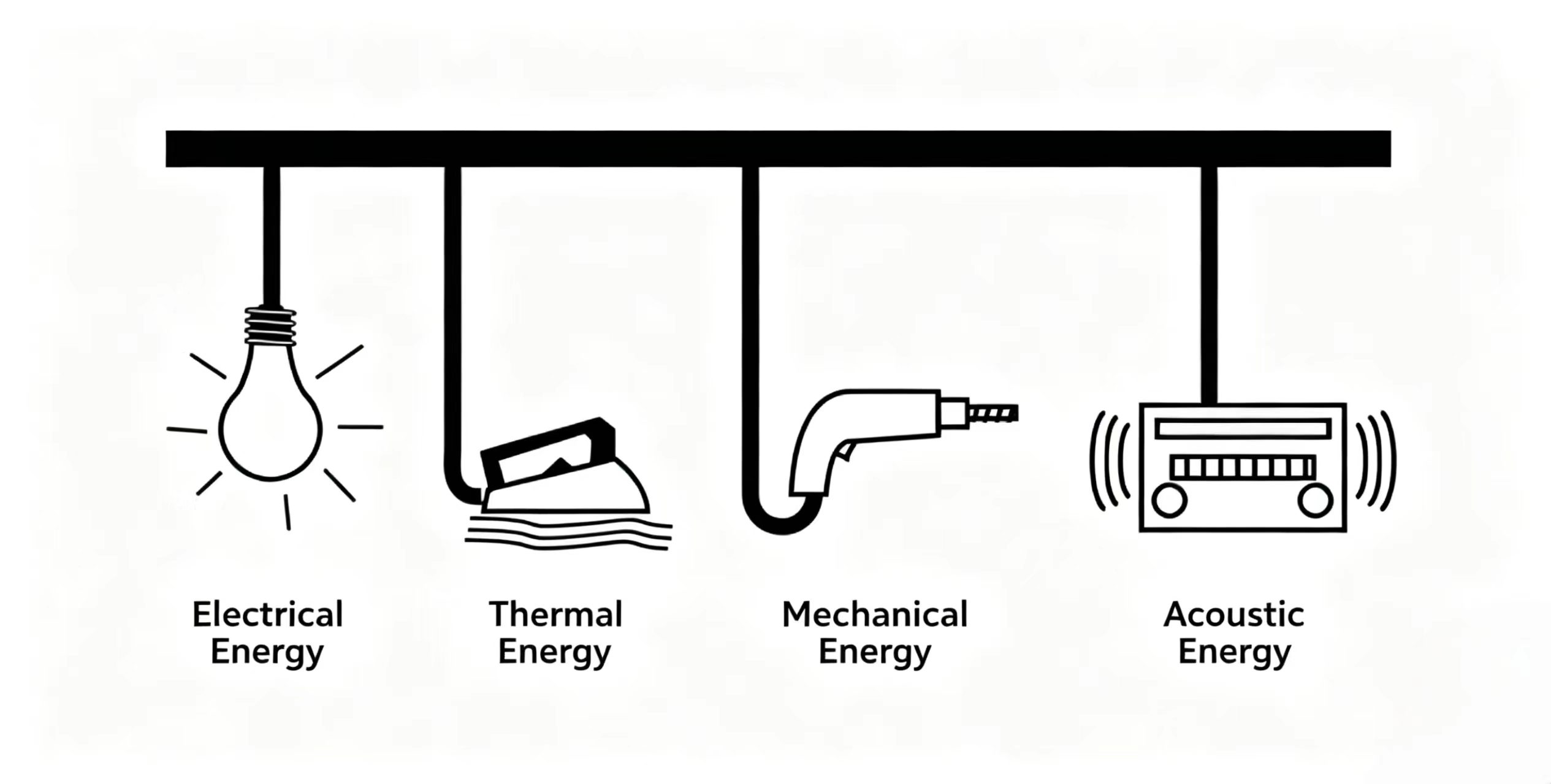
Energy exists in many forms: mechanical, thermal (heat), electrical, light, chemical, and sound energy.
Energy can never be created or destroyed — it can only be converted from one form to another. This is one of the most important laws in physics.
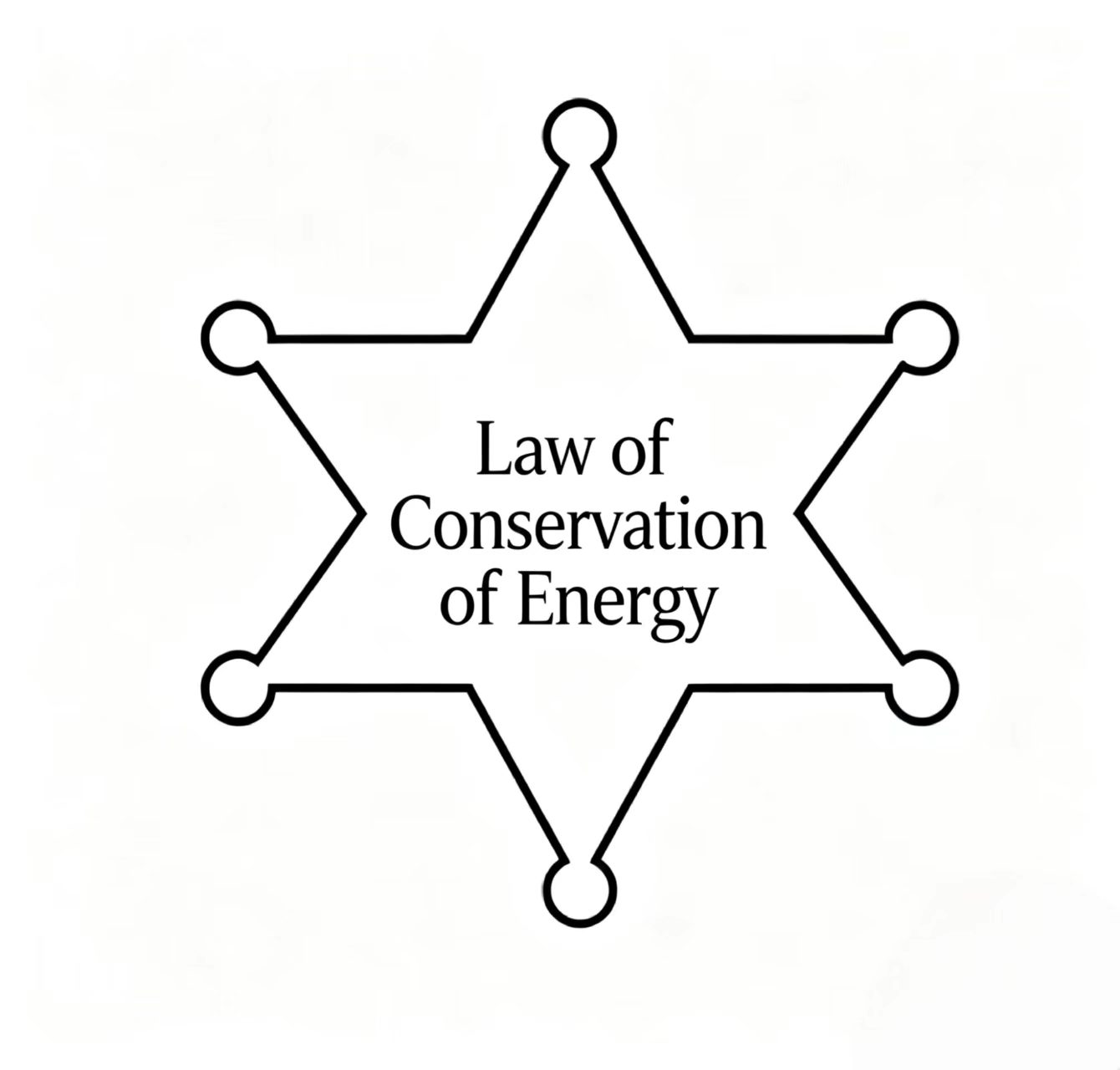
Figure 1-6 The Law of Conservation of Energy: energy is never destroyed, only converted to another form.
Electrical energy from a socket can become light (in a light bulb), heat (in a heater), mechanical motion (in a motor), or sound (in a speaker), depending on the device. Energy is always conserved — it just changes form.
Another example: sliding down a rope converts the kinetic energy of the body into heat in the rope and hands, which is why friction slows you down and warms the rope.
Kinetic energy represents work that has already been done — it is energy an object has because it is moving. Most forms of energy must be in the kinetic state before they can do useful work.
Potential energy is stored energy. When the right conditions are met, potential energy converts to kinetic energy and causes motion. Potential energy comes from an object's physical nature or its position above a reference point.
Examples: water stored in an elevated tank has potential energy due to its height — it can flow down and do work at a lower level. A battery not connected to a circuit stores chemical potential energy.
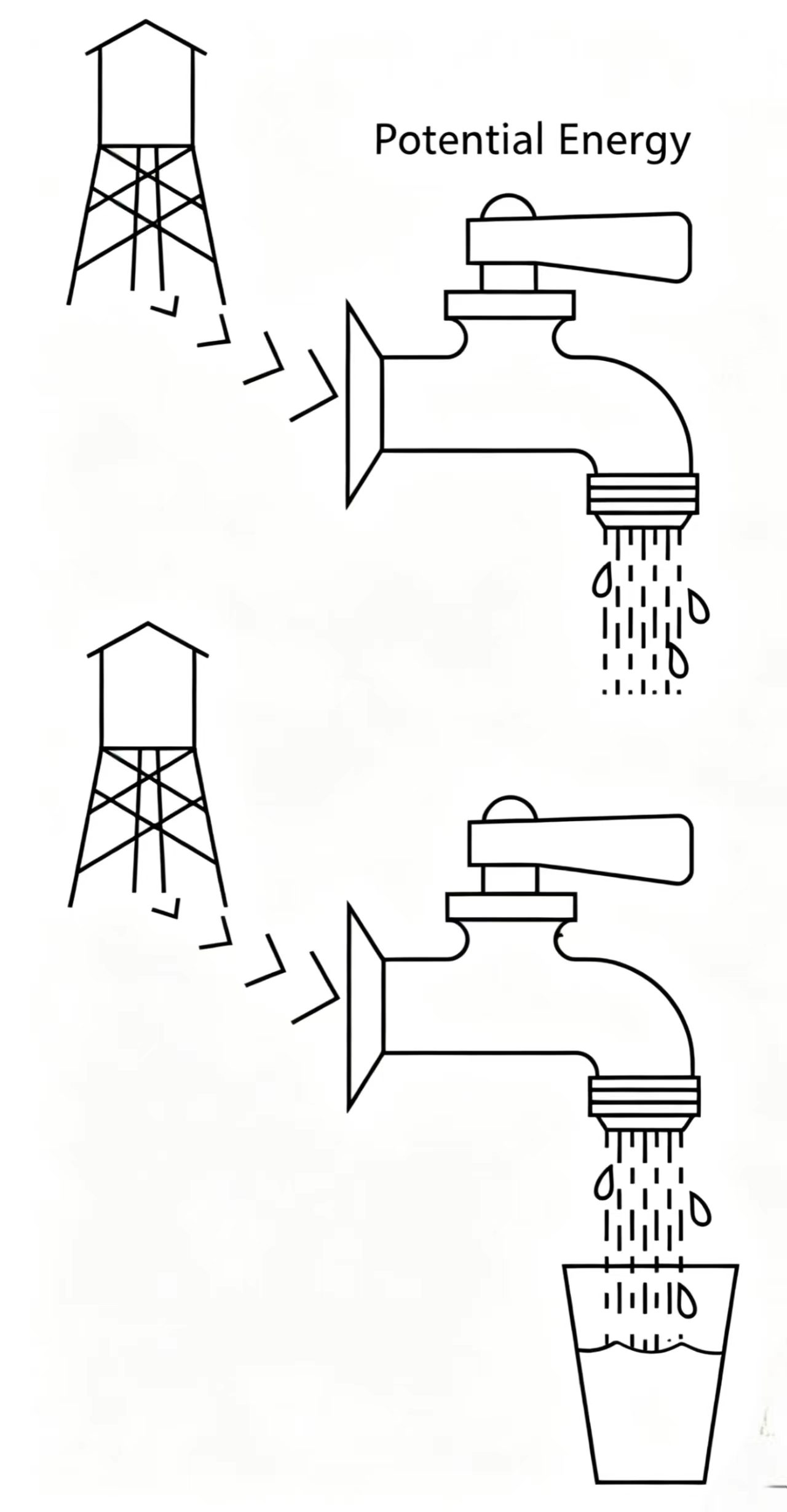
Figure 1-8 Two familiar examples of potential energy: a raised water tower and a charged battery.
Potential and kinetic energy convert back and forth freely. The water in a tower is potential energy; as it flows downhill it becomes kinetic energy; when it fills a container and is lifted again, it becomes potential energy again.
Work is done when a force acts on an object and moves it through a distance. If nothing moves, no work is done.
"Work" in everyday language can mean effort, but in engineering it has a precise meaning: work = force multiplied by the distance moved.
The SI unit of work is the joule (J). In US customary units, work is measured in foot-pounds (ft·lbs).
Work = Distance x Force
(J) = (m) x (N) or (ft.lbs) = (ft) x (lbs)
Example: A forklift lifts each pallet 5 ft (1.524 m) with a force of 2,000 lbs (8,880 N). The work done per pallet:
W = 5 ft x 2,000 lbs = 10,000 ft.lbs (or 13,533 J)
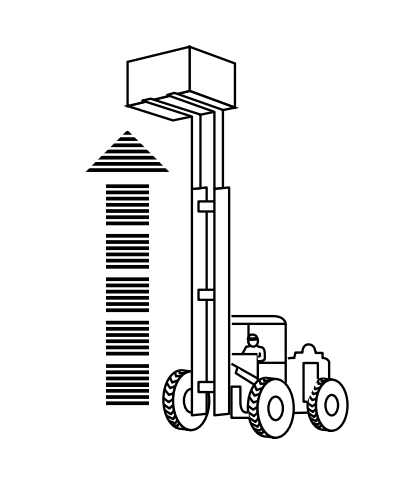
Figure 1-9 Work = force × distance. The forklift does work every time it lifts a pallet.
Work is always done in some amount of time. Power is the rate at which work is done — the amount of work done per unit of time.
Power = Distance x Force / Time
(W) = (m) x (N) / (s) or (ft.lbs/s) = (ft) x (lbs) / (s)
Using the forklift example: if the 10,000 ft·lbs of work is done in 5 seconds, the power output is:
P = 10,000 ft.lbs / 5 s = 2,000 ft.lbs/s (= 2,707 W = 2.71 kW)
Horsepower is the imperial unit of power. James Watt, who invented the steam engine, defined it by comparing his engine to a working horse. He found that a horse could move 550 lbs a distance of 1 ft in 1 second:
1 HP = 550 ft.lbs/s = 746 W = 0.746 kW
HP = [Distance (ft) x Force (lbs)] / [Time (s) x 550]
kW = HP x 0.746
For the forklift example: 2,000 ft·lbs/s ÷ 550 = 3.6 HP (= 2,707 W = 2.71 kW).
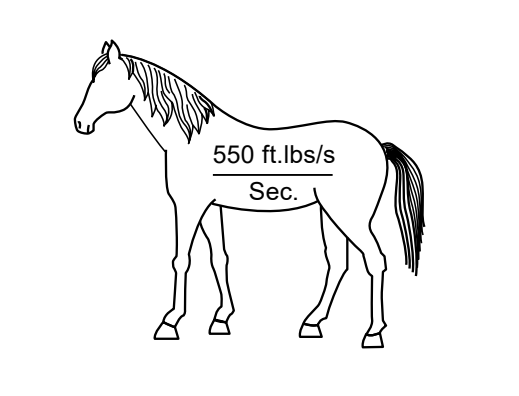
Figure 1-11 James Watt defined 1 HP as 550 ft·lbs per second after observing working horses.
Pressure measures the intensity of a force — how concentrated that force is over a given area. Two objects can exert the same total force but create very different pressures depending on the contact area.
Everyday example: high-heel shoes vs. flat shoes. Both carry the same body weight, but the tiny heel area concentrates it into very high pressure on the floor, while a flat sole spreads the same force over a large area and produces low pressure. Anyone who has had a heel land on their foot understands this.
Pressure = Force / Area
(Pa = N/m²) = (N) / (m²) or (psi) = (lbs) / (in²)
Unit conversions:
Example: A block with a 100 in² (645 cm²) base weighs 100 lbs (444 N). Pressure = 100 lbs ÷ 100 in² = 1 psi (0.07 bar). The same 100 lbs on a steel pin with a 0.25 in² (1.6 cm²) base: 100 ÷ 0.25 = 400 psi (27.6 bar).
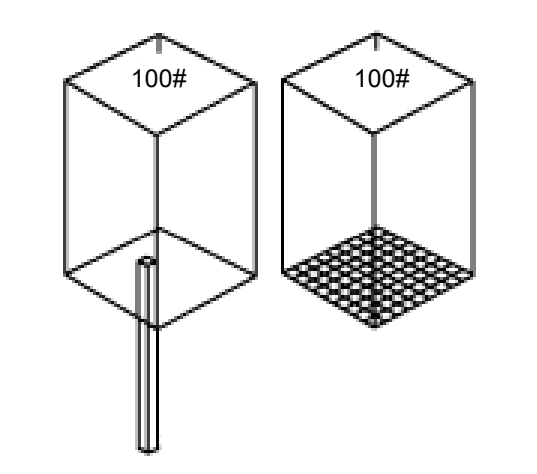
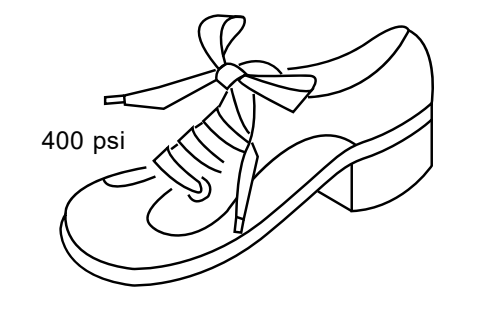
Figure 1-12 Same force, very different pressure. The smaller the area, the higher the pressure.
The way machines use energy is usually through pressure. Pressure is what you get when kinetic energy acts on the surface of a load. Working energy combines kinetic energy with pressure to move the load.
In all transmission systems, some working energy is lost to friction on the way to the load. This lost energy is not destroyed — it converts to heat. The fraction of energy that turns to heat is the system's loss, and it is what makes systems inefficient.
The pressure at the source is higher than the pressure at the load because energy is consumed overcoming friction in the pipes, valves, and fittings along the way.
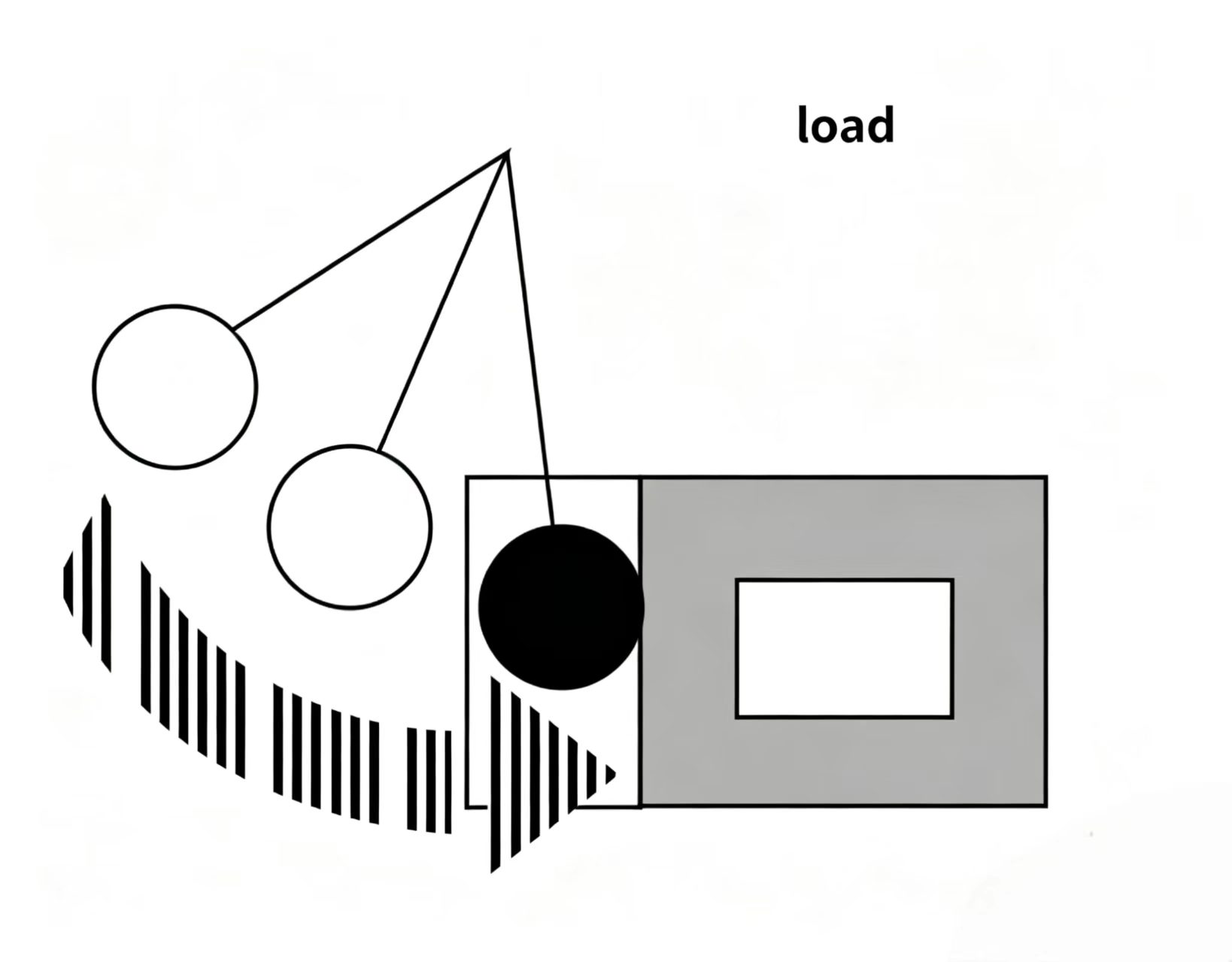
Figure 1-13 Working energy flows from source to load. Friction along the way produces heat, reducing the pressure that arrives at the load.
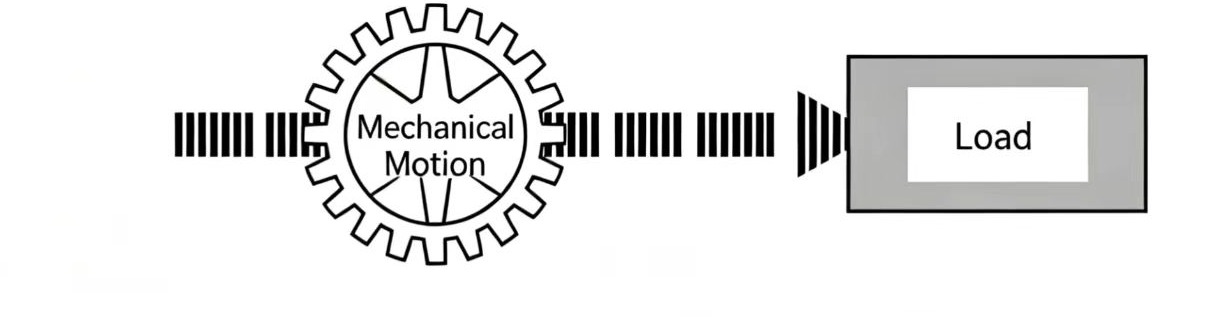
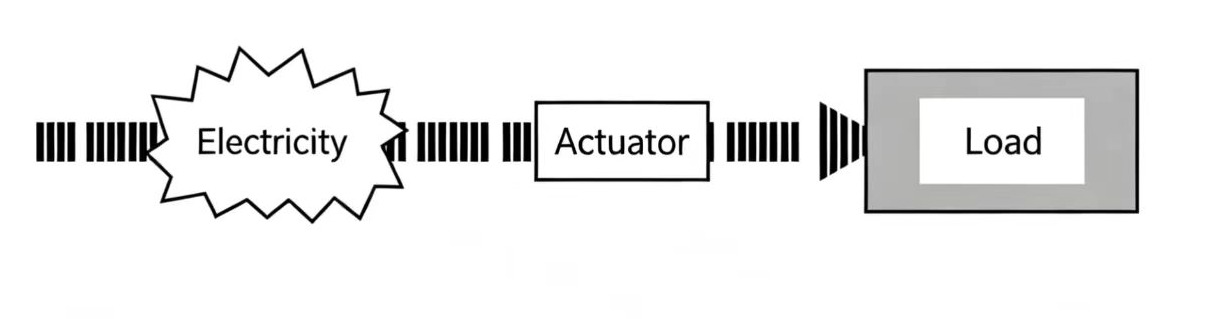
There are four ways machines transmit energy from the source to where work is done:
Energy travels through physical motion — levers, chains, gears, pulleys, belts, and cams. The carrier is a moving mechanical part directly connected to the energy source.
Energy travels along electrical conductors (wires) and is delivered to an electrical actuator — a motor or solenoid — to do work.
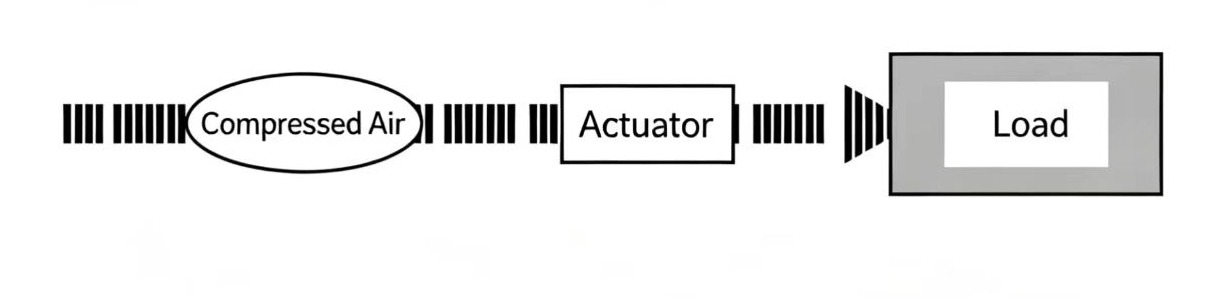
Energy travels through pipes as compressed air flow and is delivered to a pneumatic actuator (air cylinder or air motor) to do work.
Energy travels through pipes as pressurized liquid (oil) flow and is delivered to a hydraulic actuator (cylinder or motor) to do mechanical work. This is the subject of this entire course.
Every machine ultimately does mechanical work. Energy in any form — electrical, pneumatic, hydraulic — must be converted back to mechanical energy by an actuator before the load can be moved. Each method has advantages and disadvantages, and many machines combine two or more methods.
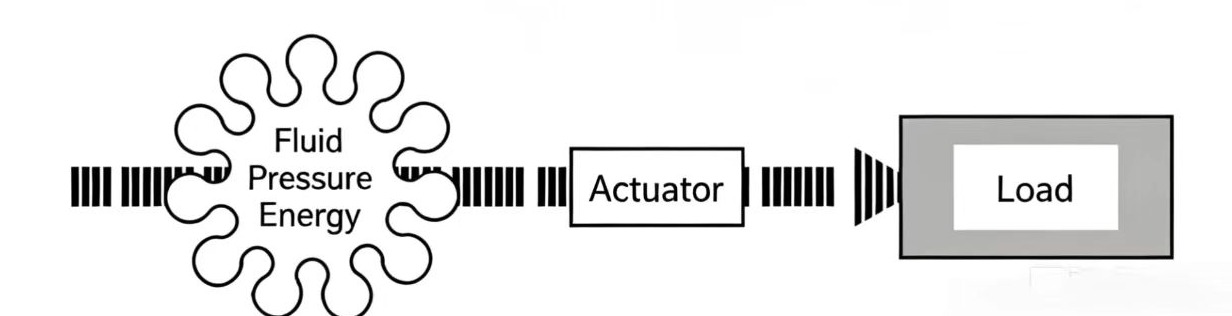
Figure 1-17 Hydraulic transmission carries energy as pressurized liquid. The cylinder or motor at the end converts it back to mechanical force.
In every real transmission system, some energy is converted to heat by friction before it reaches the load. The working energy (kinetic energy under pressure) acts on the surfaces in the pipes and valves, generating resistance and heat. This loss shows up as a drop in pressure from source to load. The energy is conserved — it simply changes form, which makes the system less efficient.
KEY FORMULAS - CHAPTER 1
Concept |
Formula |
Units / Notes |
Work |
W = Force x Distance |
J = N.m | ft.lbs = lbs x ft |
Power |
P = Work / Time |
W = J/s | ft.lbs/s |
Horsepower |
HP = (F x d) / (t x 550) |
1 HP = 746 W = 550 ft.lbs/s |
Pressure |
P = Force / Area |
Pa = N/m2 | psi = lbs/in2 |
Unit conversion |
1 bar = 10^5 Pa = 14.5 psi |
1 kW = 1.34 HP |

Welcome to HOVOO, a Chinese seal factory. Production of PU, Rubber and PTFE seals. The seals include O-ring, piston seal, rod seal, Gray ring and gas seal.


 EN
EN
 AR
AR CS
CS DA
DA NL
NL FI
FI FR
FR DE
DE EL
EL IT
IT JA
JA KO
KO NO
NO PL
PL PT
PT RO
RO RU
RU ES
ES SV
SV TL
TL IW
IW ID
ID LV
LV SR
SR SK
SK VI
VI HU
HU MT
MT TH
TH TR
TR FA
FA MS
MS GA
GA CY
CY IS
IS KA
KA UR
UR LA
LA TA
TA MY
MY
