33-99No. Mufu E Rd. Gulou District, Nanjing, China [email protected] | [email protected]
33-99No. Mufu E Rd. Gulou District, Nanjing, China [email protected] | [email protected]

When we normally use petroleum-based oil, the fire risk is not very high — because mineral oil does not ignite easily at room temperature and has a flame-snuffing ability similar to a wooden match. But when high-pressure lines develop small leaks, the oil sprays out as a fine mist. Mist is a highly flammable mixture that can be ignited very easily — this type of leak can be thought of as a fuel injector.
In industrial environments with fire risk, the first concern is the safety of workers and the ability to maintain production without accidental fires. If the environment can produce accidental ignition sources, fire-resistant hydraulic fluids are needed. Using such fluids increases operating costs (fire-resistant fluids cost more than mineral oil) and reduces component service life.
The purpose of this chapter is to identify the fire-resistant hydraulic fluids commonly used in hydraulic systems, discuss some issues with using them, and give maintenance guidelines.

Fire-resistant fluids are not fireproof — as their name suggests, they are simply hard to ignite. If a fire-resistant fluid is heated to a high enough temperature, it will eventually ignite.
The fire resistance of a specific fluid is determined by three technical measurements: flash point, fire point, and auto-ignition temperature. The reference fluid in the following three test descriptions is petroleum-based hydraulic oil.
The flash point of a fluid is the temperature to which it must be heated before it releases enough vapor from its surface to ignite if a flame is applied. For petroleum hydraulic oil, if heated to 350–450°F (176.6–232.2°C), enough vapor is released to ignite when a flame is applied. However, once the flame is removed, the burning stops.

The fire point is the temperature to which the oil must be heated so that it continues burning after the test flame is removed. Above this temperature, enough vapor is released from the oil surface that, once ignited, the oil keeps burning on its own even after the flame source is taken away.
The auto-ignition temperature (AIT) is the temperature at which the oil ignites by itself with no external flame or spark. For petroleum hydraulic oil, if heated to 500–700°F (260–371°C), it ignites spontaneously.

Fluids classified as fire-resistant have higher flash points, fire points, and auto-ignition temperatures than petroleum-based oil.
Fire-resistant fluids can be divided into two major categories: water-based and synthetic.
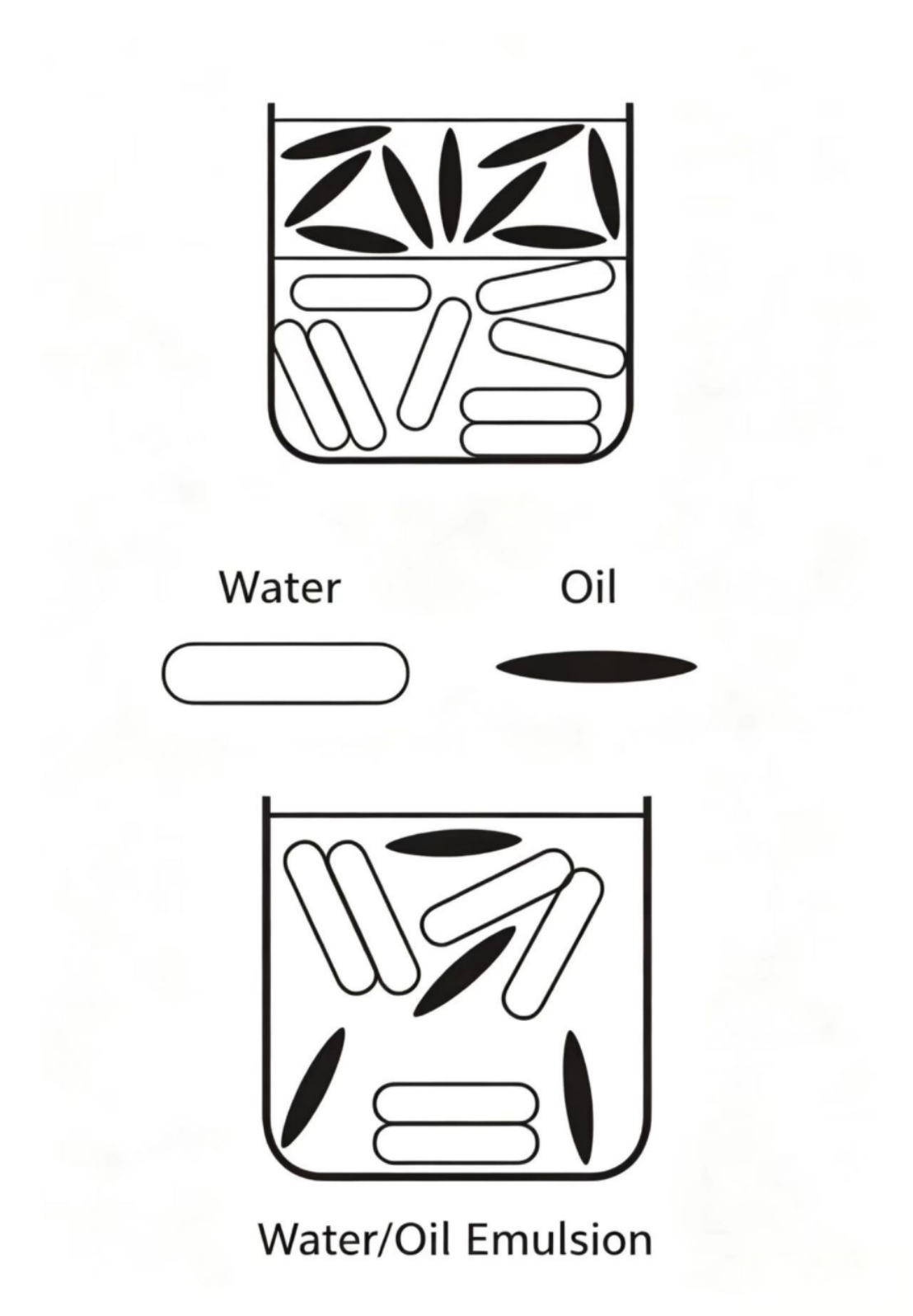
The first hydraulic working medium was water. Water has some shortcomings (especially in lubrication), but it is non-flammable, so the original approach when fire resistance was needed was simply to switch back to water. But because some lubrication is needed, oil and water were emulsified together.
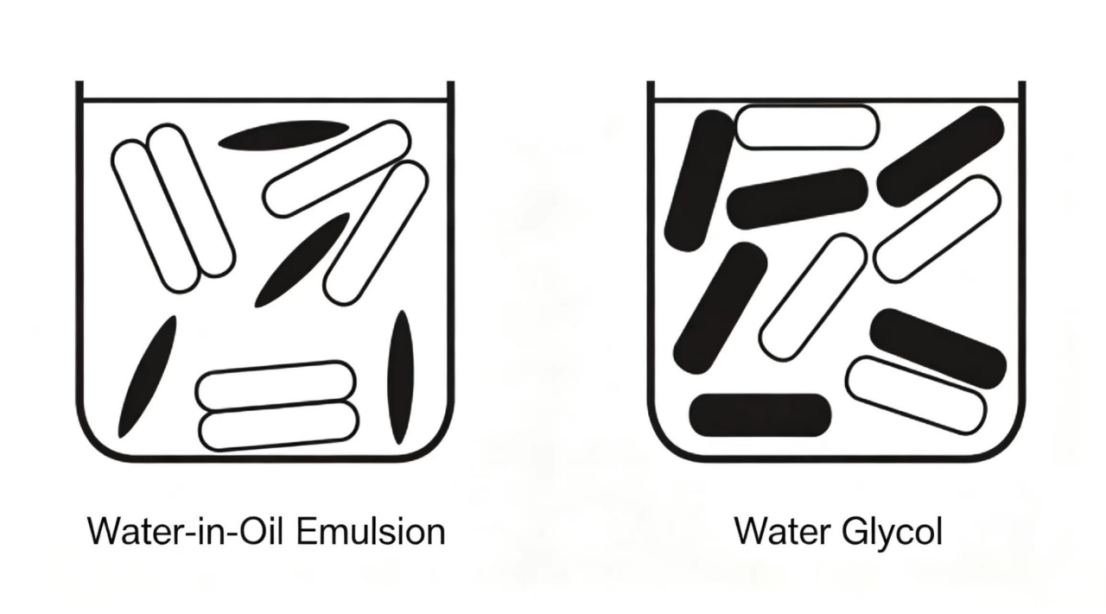
This is a water-based fire-resistant fluid made of water and oil. It is not a solution — oil and water do not dissolve in each other. In this fluid, the oil is dispersed into extremely fine droplets by a chemical emulsifier and distributed evenly throughout the water carrier, which improves its lubrication quality. When this fluid meets a flame, the water turns to steam and smothers the fire.
This two-phase water/oil fluid is called an emulsion. During the period when this type of fluid was widely used, the typical ratio was 60% water to 40% oil, with water as the main phase and oil as the dispersed droplets.
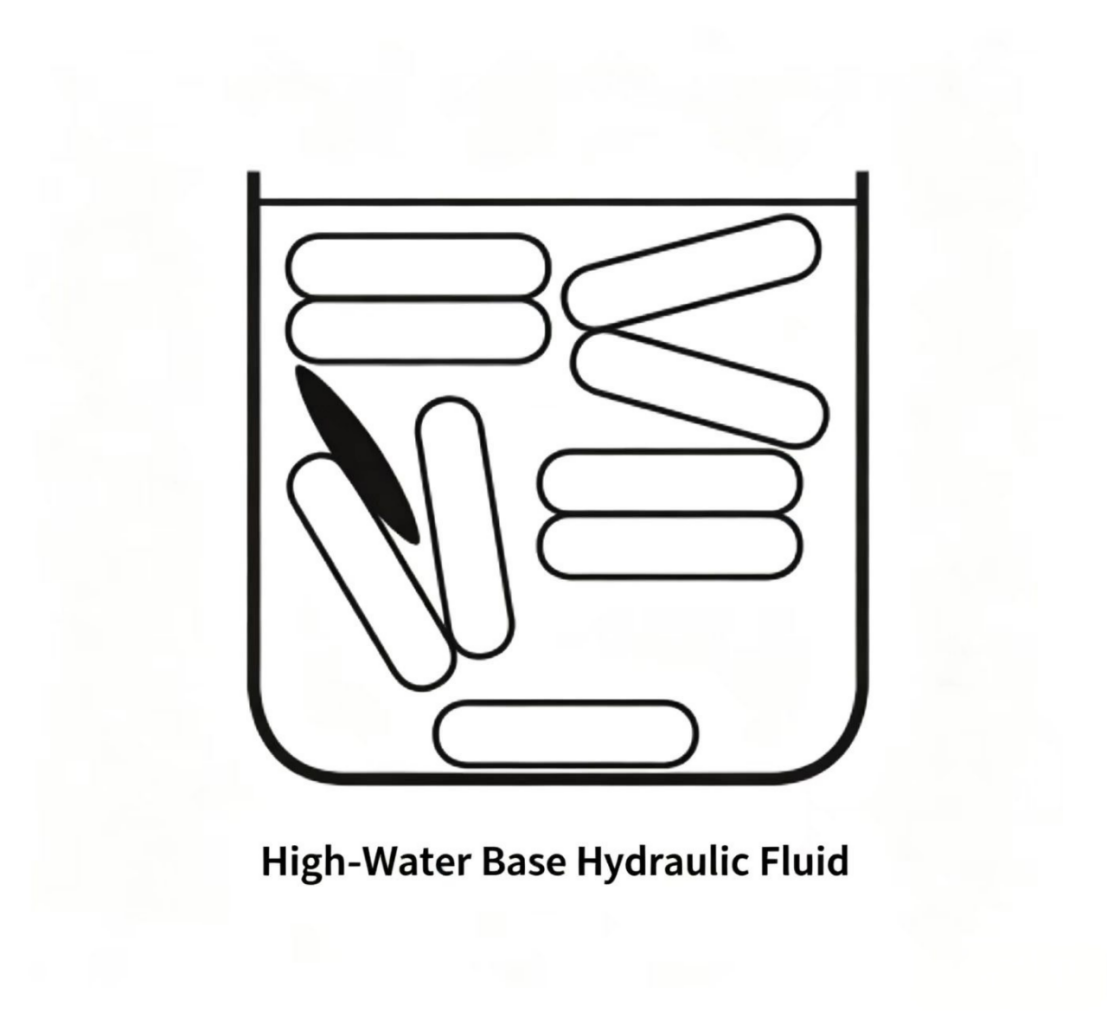
This is a fire-resistant fluid in which water is the main component. Currently, except in systems where large amounts of working fluid are lost due to leakage, this type is rarely used in hydraulic systems — systems using it trade shortened component service life for some economic advantage because it is relatively cheap (water makes up at least 90% of the content).
An emulsion made with 1–10% oil content is called a high-water-base fluid (oil-in-water solution). If someone says their system uses "5% oil solution," that means 95% water and 5% oil, or a chemical concentration of 95:5.
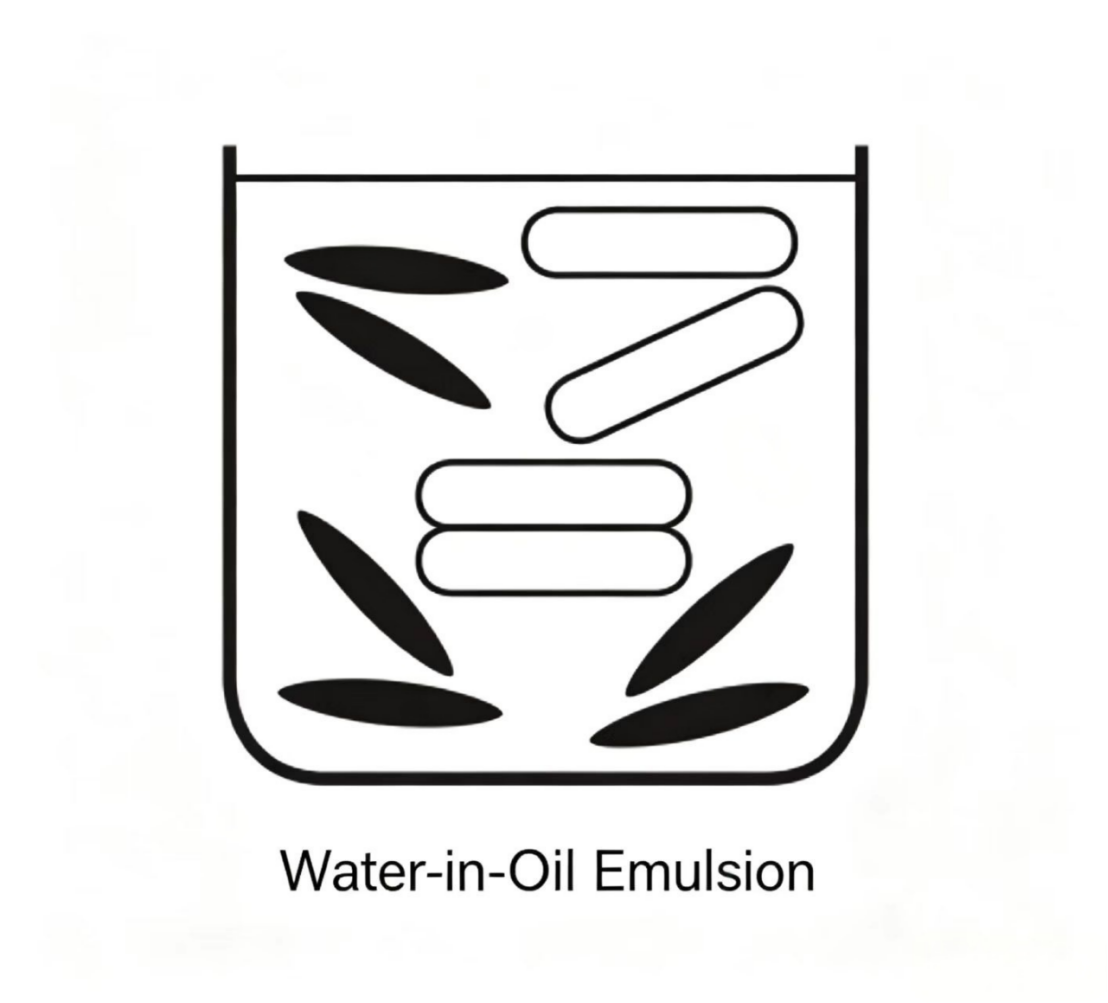
Modern water/oil emulsions used in hydraulic systems are milky-white fluids made of 60% oil and 40% water — the ratio is reversed compared to the earlier HFA type (60% water to 40% oil). Because the main component of this fluid is oil, with water as the dispersed phase, the HFB emulsion has better lubrication than HFA, but its fire resistance is slightly reduced.
Like petroleum oil, viscosity is an important property of water/oil emulsions. Because the HFA fluid has a water content of at least 90%, its viscosity is essentially that of water — making it a relatively poor lubricant.
On the other hand, although the HFB emulsion is made of about 60% oil, this does not mean its viscosity equals the viscosity of its base oil. Due to the shear effect between the two phases, the HFB emulsion shows a lower viscosity than expected. To ensure adequate lubrication of system components, the HFB emulsion used should have a higher viscosity than the petroleum oil normally used in the system. For example, if a system uses 150 SUS (32 cSt) @ 100°F (37.7°C) petroleum oil, the HFB emulsion should have a viscosity of 375 SUS (80.9 cSt) @ 100°F (37.7°C).
When the working fluid passes through the hydraulic pump and system, the shear effect between the two phases causes the HFB emulsion to show a viscosity drop. To ensure components are well lubricated, the HFB emulsion viscosity should be higher than the viscosity of the normal petroleum oil for that system.
(Note: ASTM viscosity-temperature charts are not suitable for describing the viscosity/temperature relationship of any water/oil emulsion or commonly used fire-resistant hydraulic fluid.)
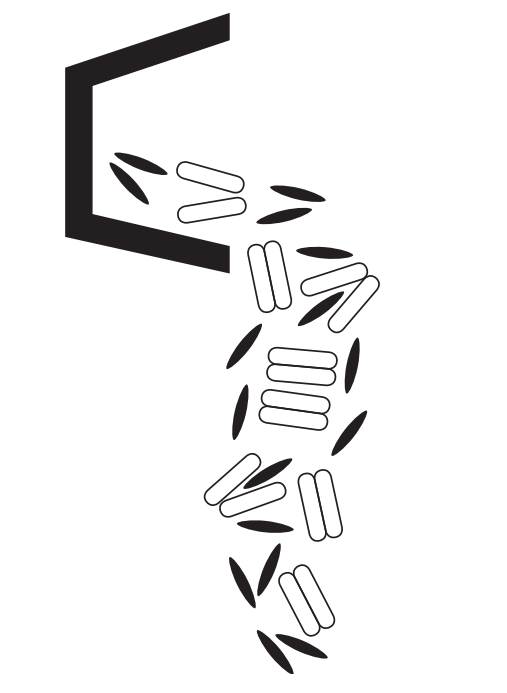
Storing water-based fire-resistant fluids in a reservoir can cause problems. For the HFB emulsion, the two main problems are phase separation and bacterial growth.
HFB emulsions are not designed for low-temperature operation. At 32°F (0°C) ice begins to form; at about -10°F (-23.3°C) the emulsion fully freezes. Freeze-thaw cycles cause the two phases to separate: at the freezing point of water (32°F / 0°C), some of the water droplets in the emulsion solidify into ice crystals. As the system warms and the ice melts, the emulsion does not necessarily re-form — at this point the fluid makes components more prone to rust and is no longer a good lubricant.
Repeated freeze-thaw cycles cause permanent separation of the water and oil phases. Once separated, getting the two phases back into an emulsified state is very difficult, if not impossible, and fire resistance becomes a serious concern.
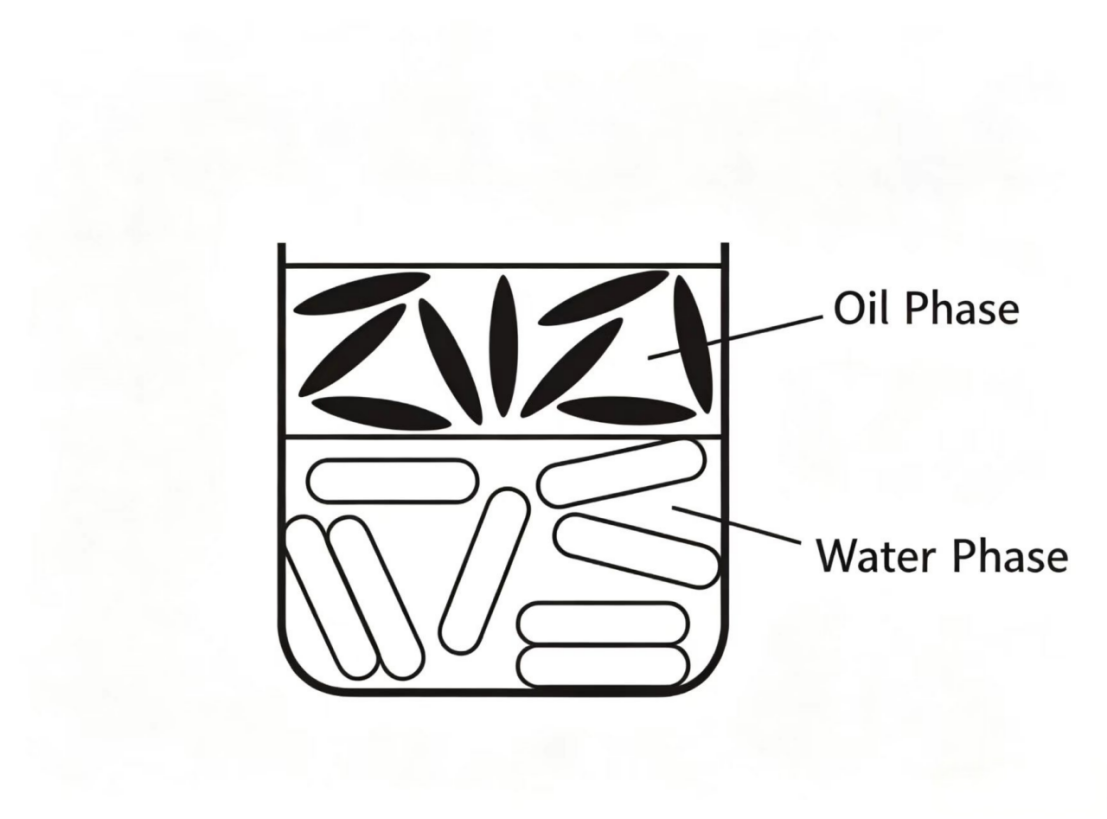
Visual inspection is used to check whether the emulsion has phase-separated. It is difficult to tell in the reservoir whether the two phases have separated — take a sample of the oil, pour it into a wide-mouth bottle, and let it stand for a while. You will see any free water settle to the bottom of the bottle.
If you suspect the phase separation is severe, contact your fluid supplier — they may recommend replacing the fluid.
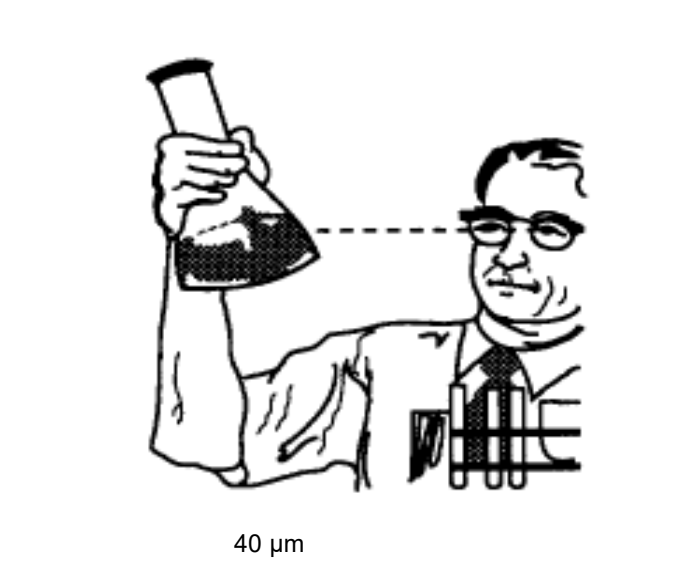
Under suitable temperature conditions, bacteria can grow in the HFB emulsion. Large numbers of bacteria can block flow-control valve orifices and filter elements — all of these effects make the system unreliable and cause it to malfunction.
Many HFB emulsions contain bacteriostatic additives to prevent this.
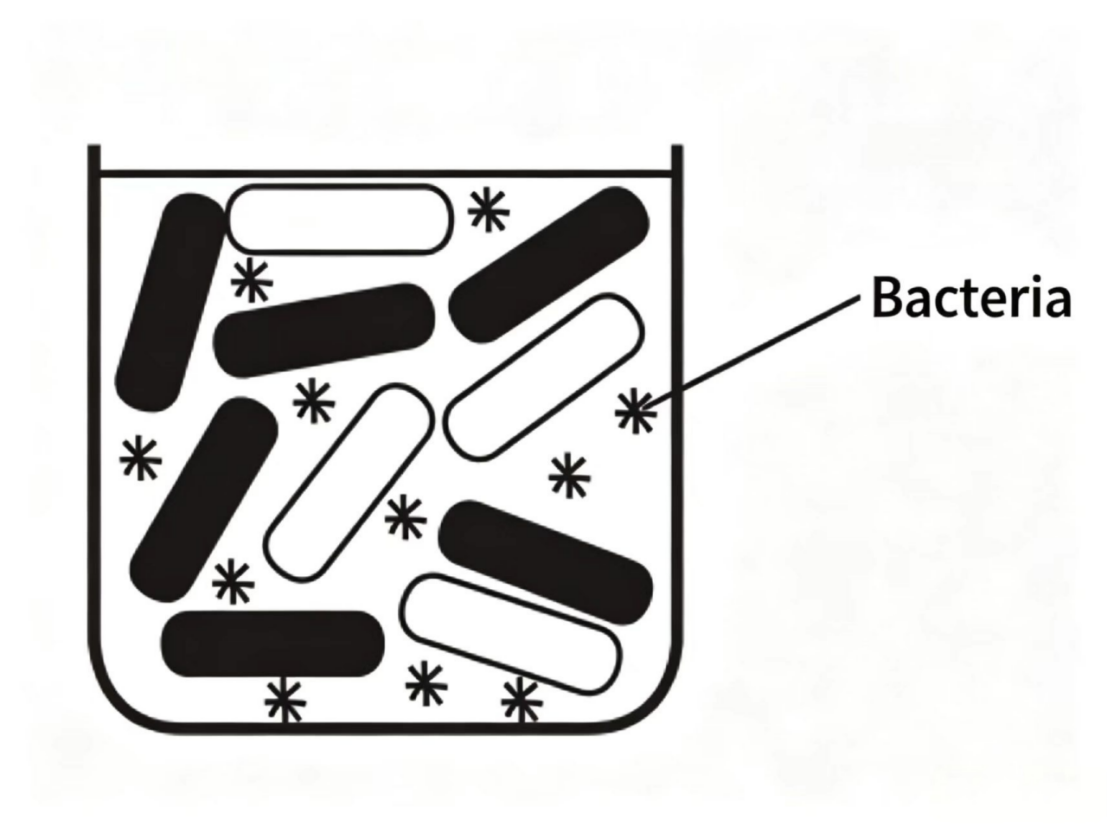
Bacterial growth in the HFB emulsion can be detected visually and by smell. If bacteria have grown in the fluid, the inlet filter looks as if it is coated in a viscous slime, and the fluid emits a foul smell.
If bacterial growth is present in the emulsion, the fluid will likely need to be replaced.

Water-glycol is another type of water-based fire-resistant fluid. It is made of water and glycol (ethylene glycol), and its chemical structure is very similar to automotive antifreeze.
Water-glycol is usually red or pink in color. It typically contains 60% glycol and 40% water, with chemical thickening agents added to increase viscosity. Because glycol actually dissolves in water, this fluid is single-phase — unlike emulsions, it does not contain separate water and glycol droplets when viewed under a microscope. Water-glycol works well at low temperatures.
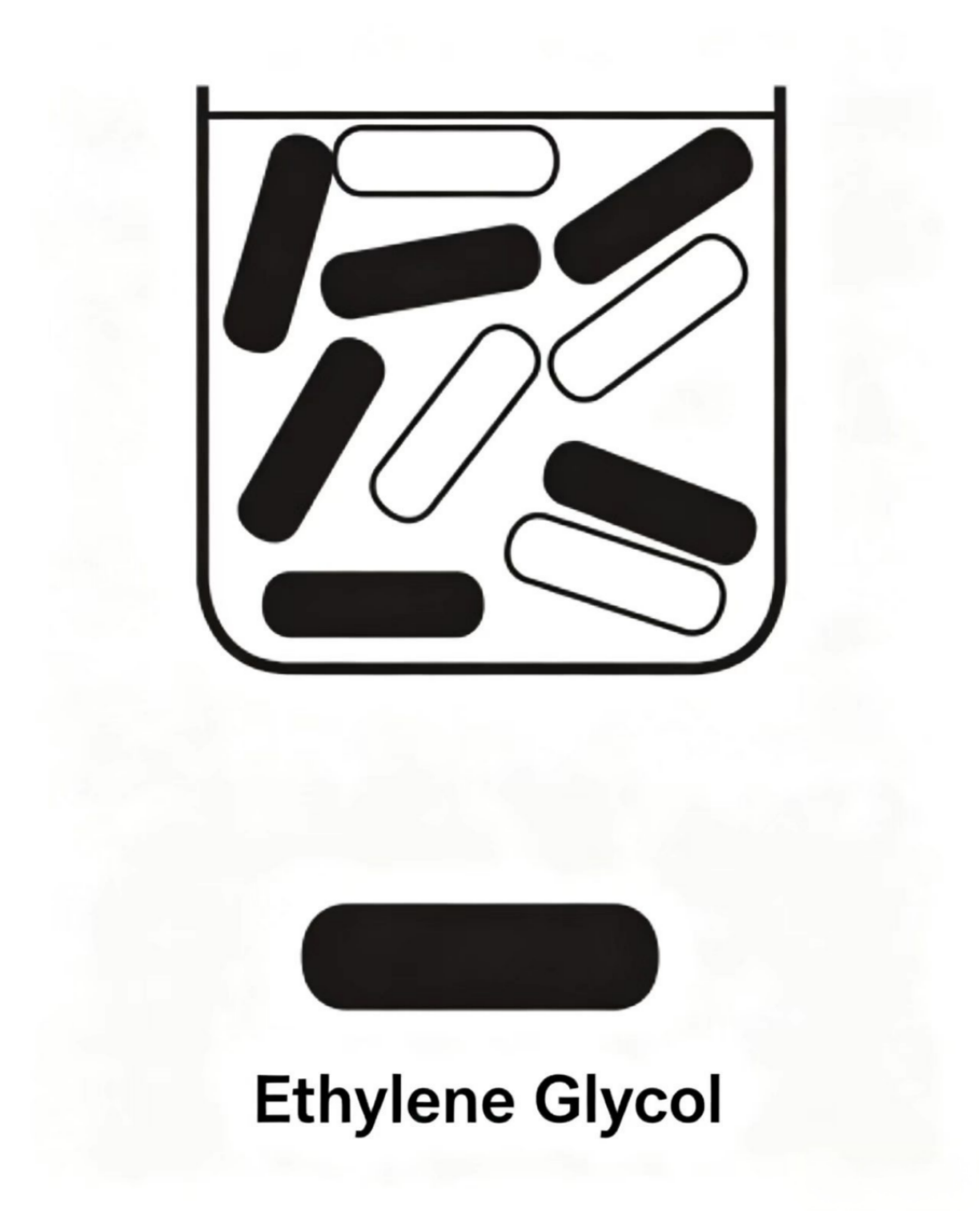
Comparing the HFB emulsion and water-glycol, we find:
Using water-based fire-resistant fluid in a hydraulic reservoir creates some problems. Two main issues for the HFB emulsion are reduced component service life and water evaporation.
Because water-based fire-resistant fluids contain a large proportion of water to achieve fire resistance, their lubrication is much lower than petroleum oil — this is an inherent shortcoming.
Although lubrication additives and oiliness additives are included, they still reduce component service life in use. Due to this adverse effect, water-based fire-resistant fluids are generally not used in systems operating above 1,800 psi (124 bar).
Among HFA fluid, HFB emulsion, and water-glycol, the stable HFB emulsion has the best lubrication; followed by water-glycol, then HFA.
Fluid |
Lubrication Reduction Factor (relative to mineral oil = 1.0) |
Petroleum hydraulic oil |
1.0 |
HFB (oil-in-water emulsion) |
2.0 |
HFC (water-glycol) |
2.6 |
Table 4-1 Relative lubrication reduction factors for water-based fire-resistant fluids vs petroleum oil. A higher factor means more component wear.
Many fluid manufacturers recommend that the maximum operating temperature for water-based hydraulic fluids should be 140°F (60°C), and ideally kept below 120°F (49°C). Above 140°F (60°C), excessive water evaporation may occur.
When water evaporates from the water-based fluid, several undesirable things happen. Water vapor escaping from the liquid condenses on unprotected iron component surfaces and causes rust. After a period of time, the rust flakes off and becomes a contamination source throughout the system.
Water-based fluids generally contain rust inhibitors, but any unprotected metal surface not immersed in the fluid will be attacked by the steam from evaporation.
The fire resistance of water-based fluids depends on the water content, so water evaporation reduces fire resistance. Evaporation also affects viscosity — in water-glycol, losing water raises viscosity; in HFB emulsion, water loss lowers viscosity and can make the emulsion unstable. To maintain optimum fire resistance and suitable viscosity, the water content of water-based fire-resistant fluids must be checked regularly and kept within a narrow concentration range.
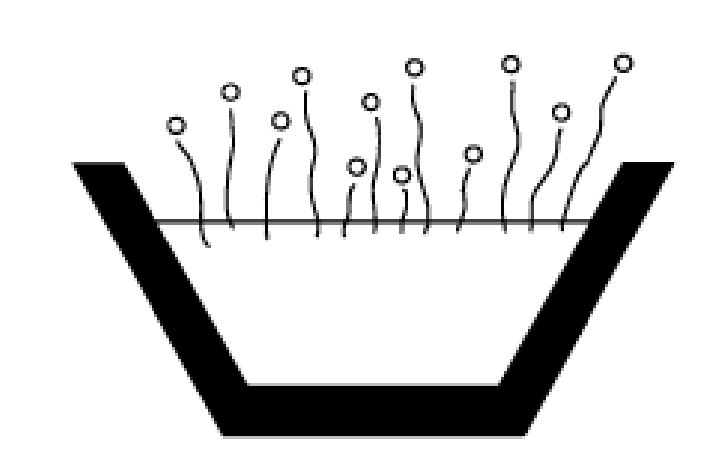
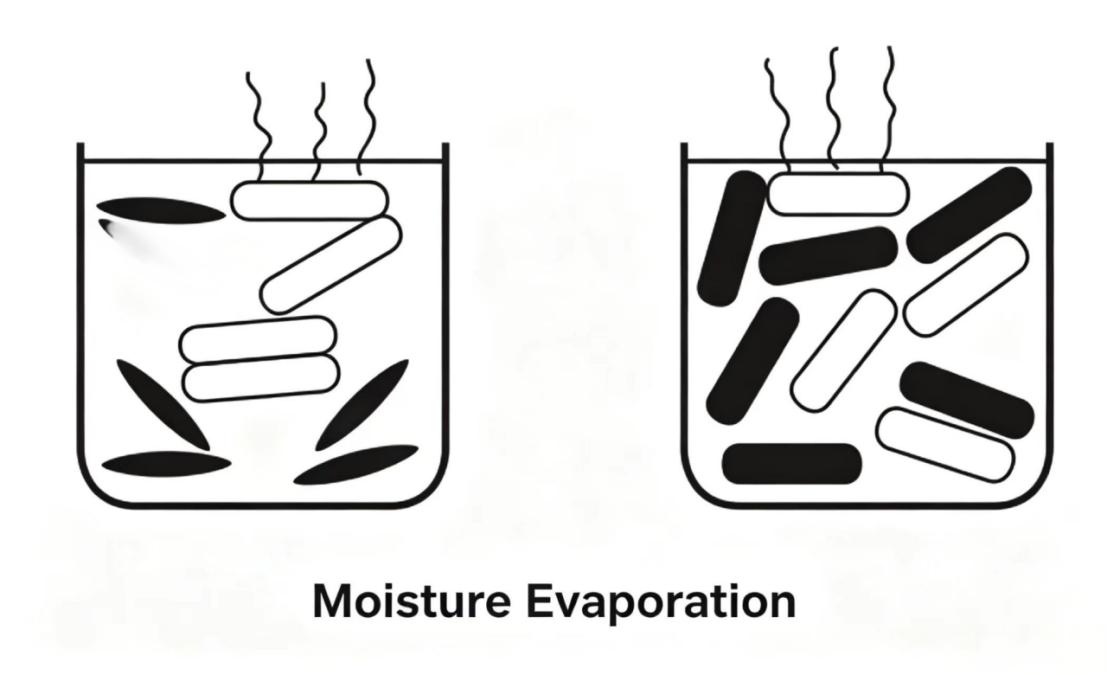
Figure 4-11 Water evaporation from water-based fluids. Evaporation reduces fire resistance, changes viscosity, and allows steam to condense on metal surfaces and cause rust.
Synthetic fire-resistant hydraulic fluid is a man-made oil noted for its high fire resistance, while its lubrication is close to that of petroleum oil. The most commonly used synthetic fire-resistant fluid is phosphate ester.
Note: Synthetic fire-resistant fluid must not be mixed with silicone resins, silicate esters, dibasic acid esters, polyol ester compounds, polyethers, or other synthetic fluids. These synthetic compounds may have specific properties needed for certain applications, but they are generally not considered fire-resistant.
Phosphate ester fluid works well at high pressure and has excellent fire resistance, but it is expensive. In high-pressure systems with fire-resistance requirements, because of the cost of phosphate ester, a mixture of phosphate ester and petroleum oil can be used. This blend has the lubrication needed by the system, but its fire resistance is not as good as pure phosphate ester.
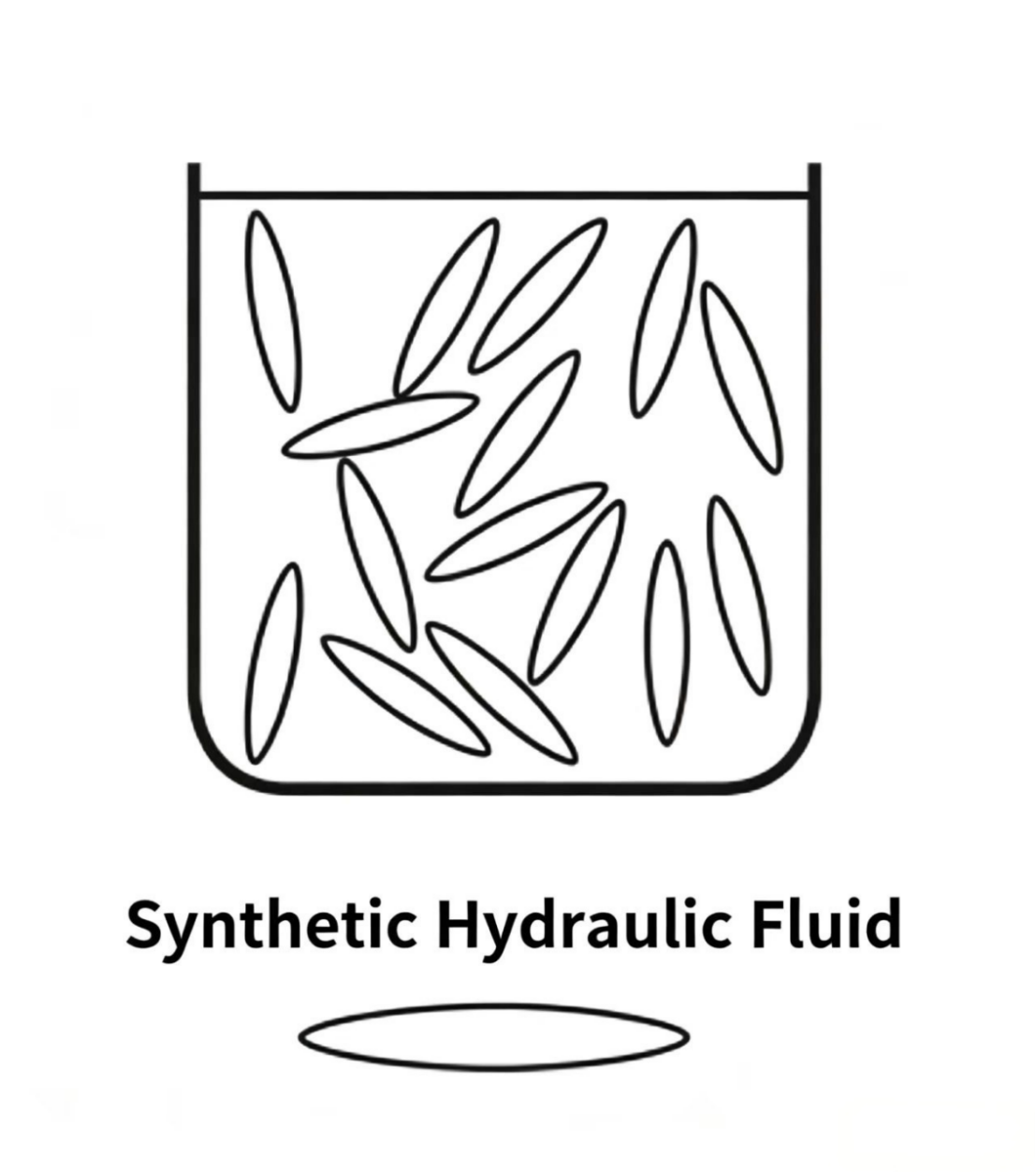
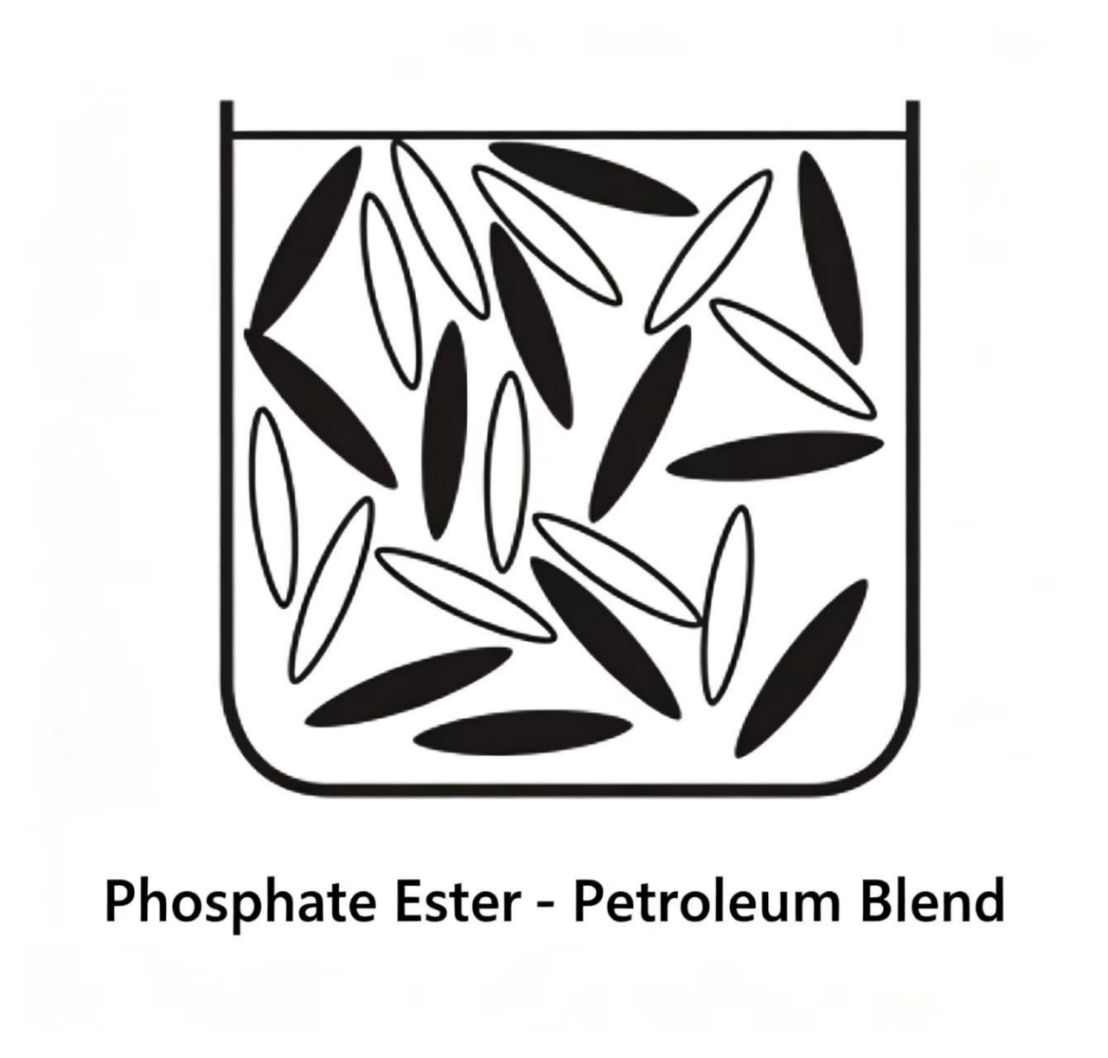
When comparing water-based and synthetic fire-resistant fluids:
Water-based fluids do not express fire resistance through flash point and fire point — because those fluids contain water. The auto-ignition temperature of water-glycol is about 1,100°F (593°C); for the HFB emulsion, the auto-ignition temperature is about 825°F (440.6°C).
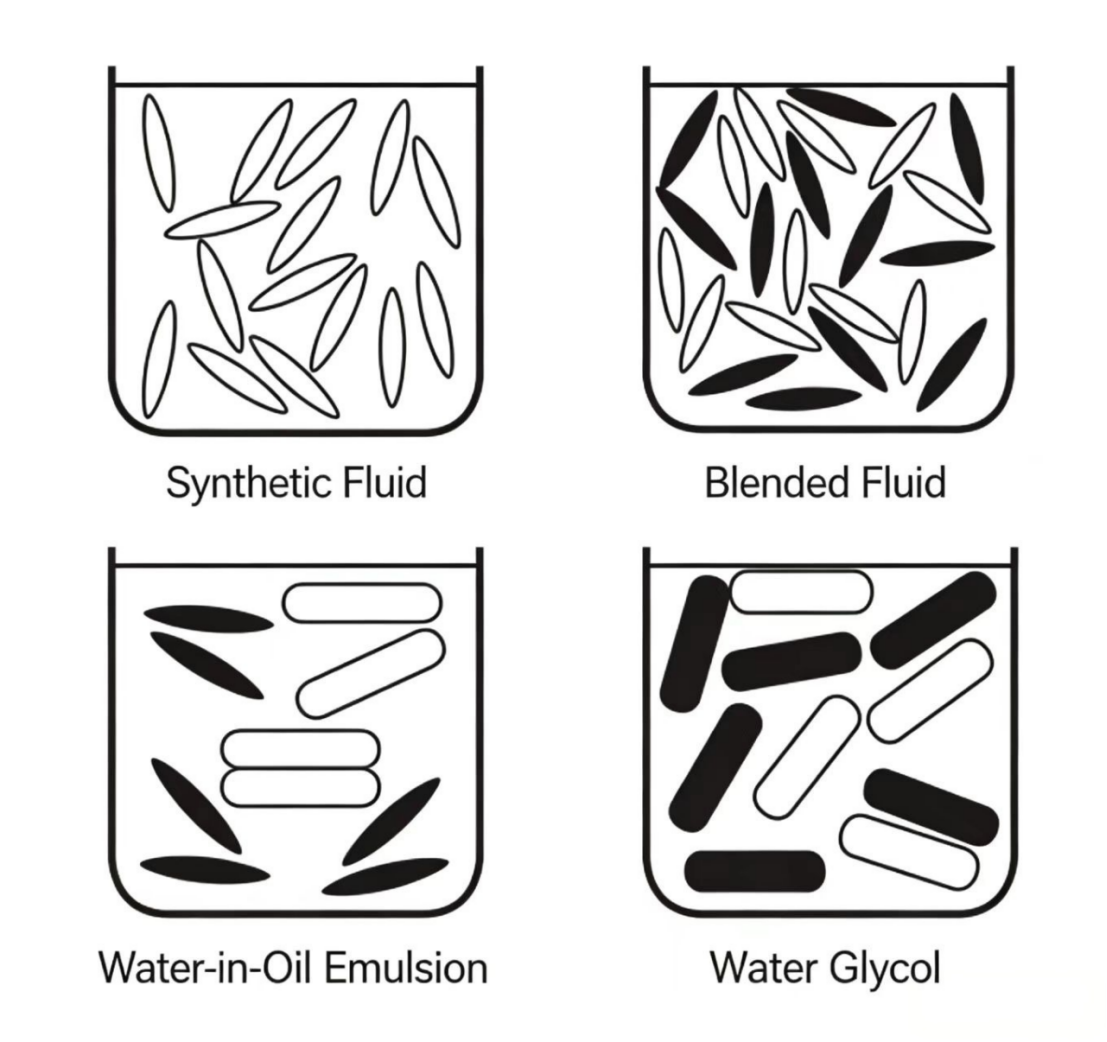
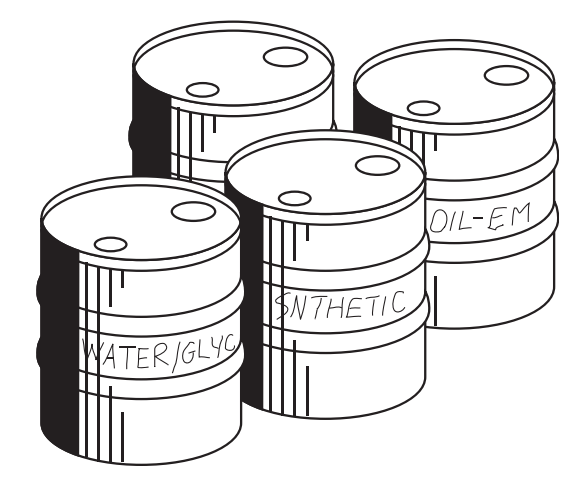
Figure 4-14 Four fire-resistant fluid types and their storage drums. From left: synthetic (phosphate ester), phosphate ester-oil blend, HFB emulsion, and water-glycol.
Using fire-resistant fluids in hydraulic systems creates certain problems, including: compatibility with seals and protective coatings, foam and air retention, and sedimentation.
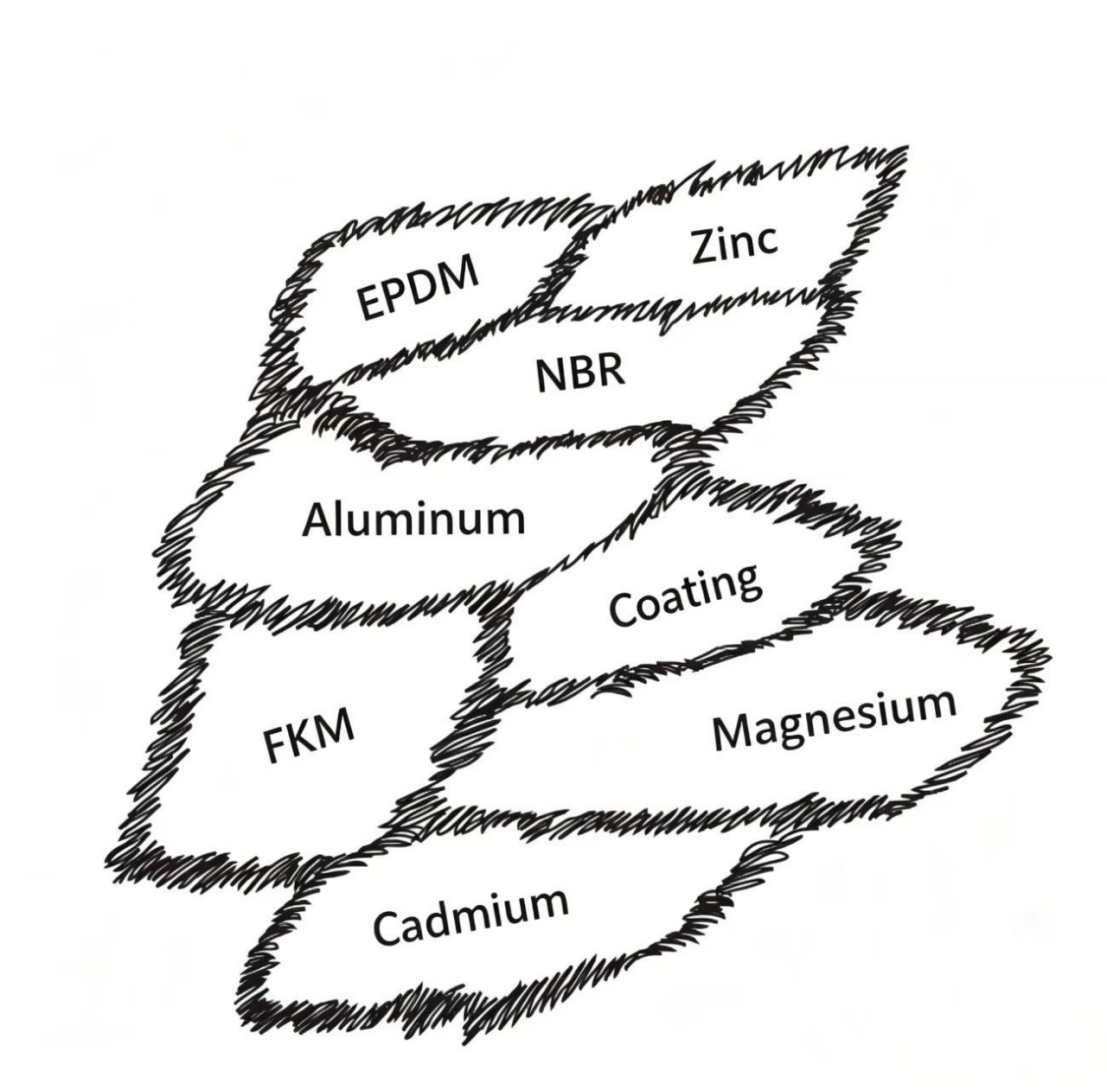
The most common material for dynamic seals in petroleum oil systems is nitrile rubber (Buna-N). This material is also compatible with HFB emulsion and water-glycol. When a system switches from petroleum oil to HFB emulsion or water-glycol, if the existing seals are nitrile rubber, they do not need to be replaced. However, if switching to a synthetic fluid such as phosphate ester, seal replacement is required.
When switching from petroleum oil to a water-based hydraulic fluid, problems may occur with protective coatings. If the inside of the reservoir is protected with a coating or paint compatible with petroleum oil, the water-based fluid may dissolve those coatings.
Water-glycol and some chemical concentrates are incompatible with certain metals. They can corrode zinc, cadmium, magnesium, and some aluminum alloys, producing adhesive slag that blocks valve orifices and filters and can cause valve spool sticking. It is therefore recommended that components containing these metals or plated with these metals should not be used with water-glycol. Such components can include electroplated pipes, zinc- or cadmium-plated filter screens, pipe fittings, and reservoir accessories.
The common nitrile rubber seal material used for dynamic seals in petroleum oil systems is not accepted by phosphate ester or phosphate ester blends — those fluids require fluoroelastomer (Viton), epoxy-based rubber, or other compatible seal materials.
Synthetic fire-resistant fluid may dissolve paints and varnishes compatible with petroleum oil, but it does not corrode the common metals in a hydraulic system.
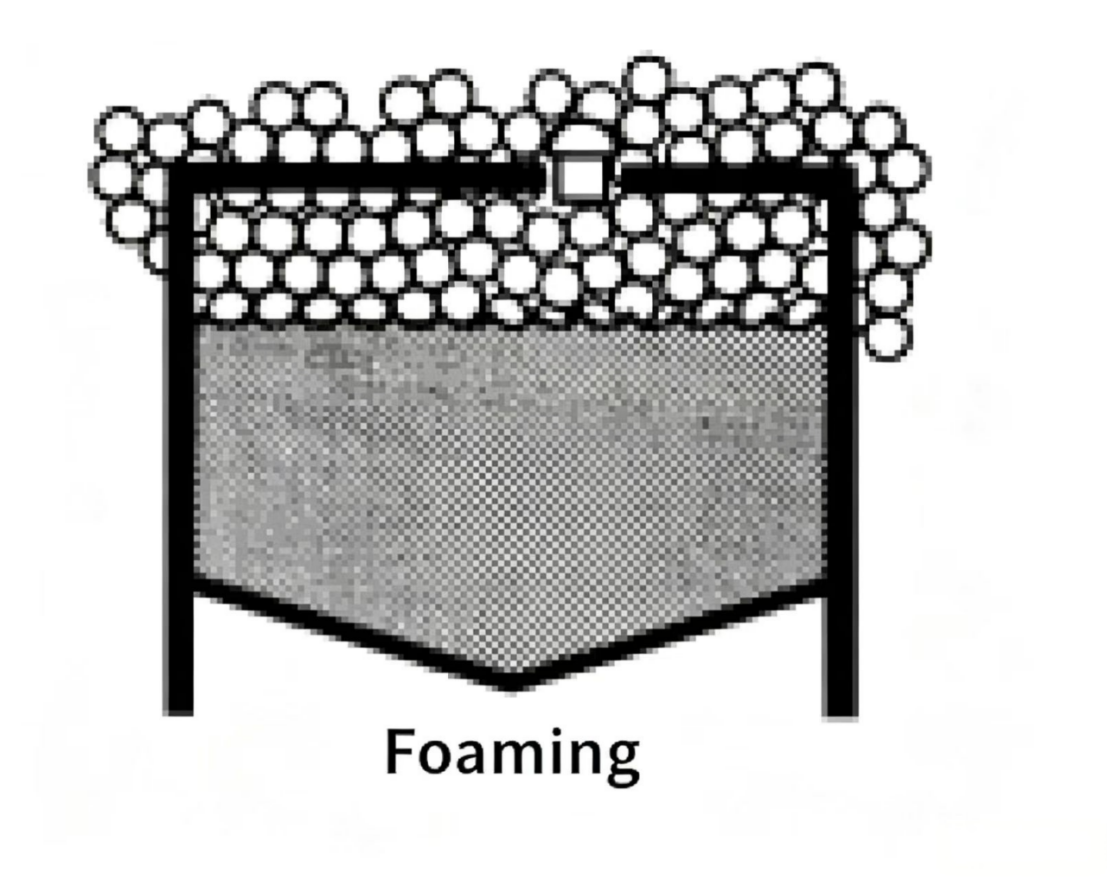
Compared to petroleum oil, water-based and synthetic fire-resistant fluids are more prone to retaining air and foaming. After the working fluid returns to the reservoir, the fire-resistant fluid needs longer time in the reservoir to release all the accumulated air bubbles.
Therefore, systems using fire-resistant fluids should have a larger reservoir than systems using petroleum oil.
When fire-resistant fluid returns to the reservoir, compared to petroleum oil it more easily retains floating contaminants. The fluid should allow any appropriately sized contaminant to settle to the reservoir bottom, but in fire-resistant fluid, contaminants do not settle as easily.
Therefore, when a system uses fire-resistant hydraulic fluid, the first thing to consider is adopting good fluid filtration measures, and magnetic filters should not be overlooked.
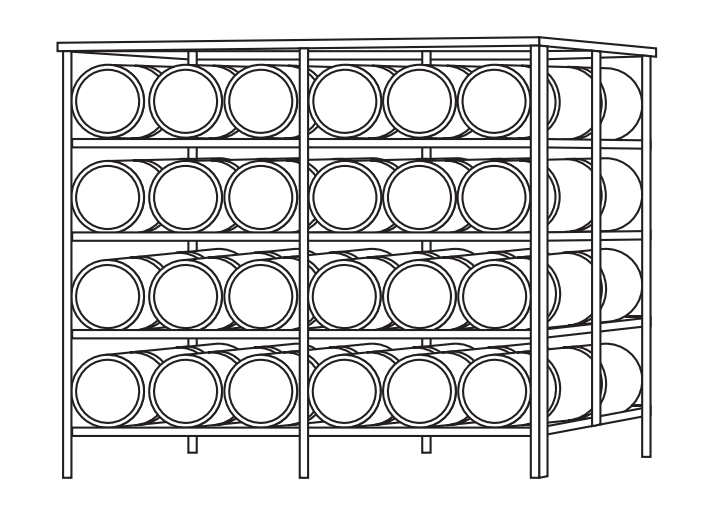
The storage of fire-resistant hydraulic fluid is essentially the same as for petroleum oil — drums should be stored on their sides so water does not accumulate at the top and seep in.
For the HFB emulsion, there is an additional storage requirement: because repeated freeze-thaw cycles affect its stability, it should be carefully kept from freezing during storage.
Transferring fluid from storage drums to the reservoir is another important step. Before removing the drum bung, clean the drum lid and prepare all the equipment and tools needed for the transfer process: flexible hose, transfer pump, funnel, reservoir fill filter, and the operator's hands. Check that the brand name and viscosity of the fluid in the drum are correct.
If a transfer pump is used to move the fire-resistant fluid, be sure there is no residual fluid of a different type in the pump, and that the pump materials and fittings are compatible with the fluid.
After fire-resistant fluid is put into the reservoir, it should be maintained and monitored at the specified intervals. Oil maintenance includes: topping up to minimum level, handling leaks, and replacing filter elements.
Water-based hydraulic fluid should be checked regularly for water content — the concentration must be kept within a very narrow range; otherwise viscosity and fire resistance will be affected.
It is generally not recommended to add water to an HFB emulsion, as this requires a re-emulsification process. Adding water to a water-glycol solution is common, but this should not be done simply by running a garden hose into the reservoir. Top-up water should not contain mineral deposits that would contaminate the system. Distilled or de-ionized water is suitable for water-glycol solutions; the amount to add should be determined by lab analysis of the oil sample.

KEY CONCEPTS - CHAPTER 4
Fluid Type |
Code |
Composition |
Max Pressure |
Key Issues |
High-water-base |
HFA |
90%+ water, 1-10% oil |
~700 bar* |
Poor lubrication; low cost |
Oil-in-water emulsion |
HFB |
60% oil, 40% water |
< 124 bar |
Phase separation; bacteria |
Water-glycol |
HFC |
60% glycol, 40% water |
< 124 bar |
Corrodes Zn/Cd/Mg; evaporation |
Synthetic (phosphate ester) |
HFDR |
Man-made synthetic |
High pressure OK |
Expensive; needs Viton seals |
* HFA is rarely used in high-pressure systems due to very poor lubrication; the pressure limit is more a practical than a technical constraint.

Welcome to HOVOO, a Chinese seal factory. Production of PU, Rubber and PTFE seals. The seals include O-ring, piston seal, rod seal, Gray ring and gas seal.


 EN
EN
 AR
AR CS
CS DA
DA NL
NL FI
FI FR
FR DE
DE EL
EL IT
IT JA
JA KO
KO NO
NO PL
PL PT
PT RO
RO RU
RU ES
ES SV
SV TL
TL IW
IW ID
ID LV
LV SR
SR SK
SK VI
VI HU
HU MT
MT TH
TH TR
TR FA
FA MS
MS GA
GA CY
CY IS
IS KA
KA UR
UR LA
LA TA
TA MY
MY
