33-99No. Mufu E Rd. Gulou District, Nanjing, China [email protected] | [email protected]
33-99No. Mufu E Rd. Gulou District, Nanjing, China [email protected] | [email protected]

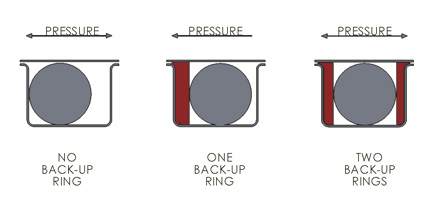
1. First, Elevate Back-Up Rings From "O-Ring Accessory" to an Independent Design Object The ISO 3601 series indeed treats back-up rings as a separate topic: ISO 3601-4's scope is anti-extrusion rings / back-up rings, and lists five categories: T1 sp...
Jul. 29. 2026
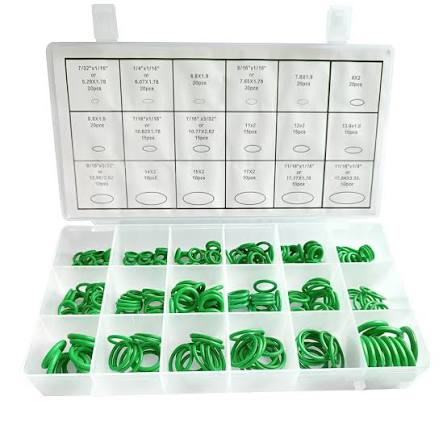
1. Why Do Refrigerant + Refrigeration Oil Shorten O-Ring Life O-rings in refrigeration systems are subject to three effects simultaneously. First, media swelling or extraction. Small refrigerant molecules enter the rubber network, causing weight, vo...
Jul. 29. 2026
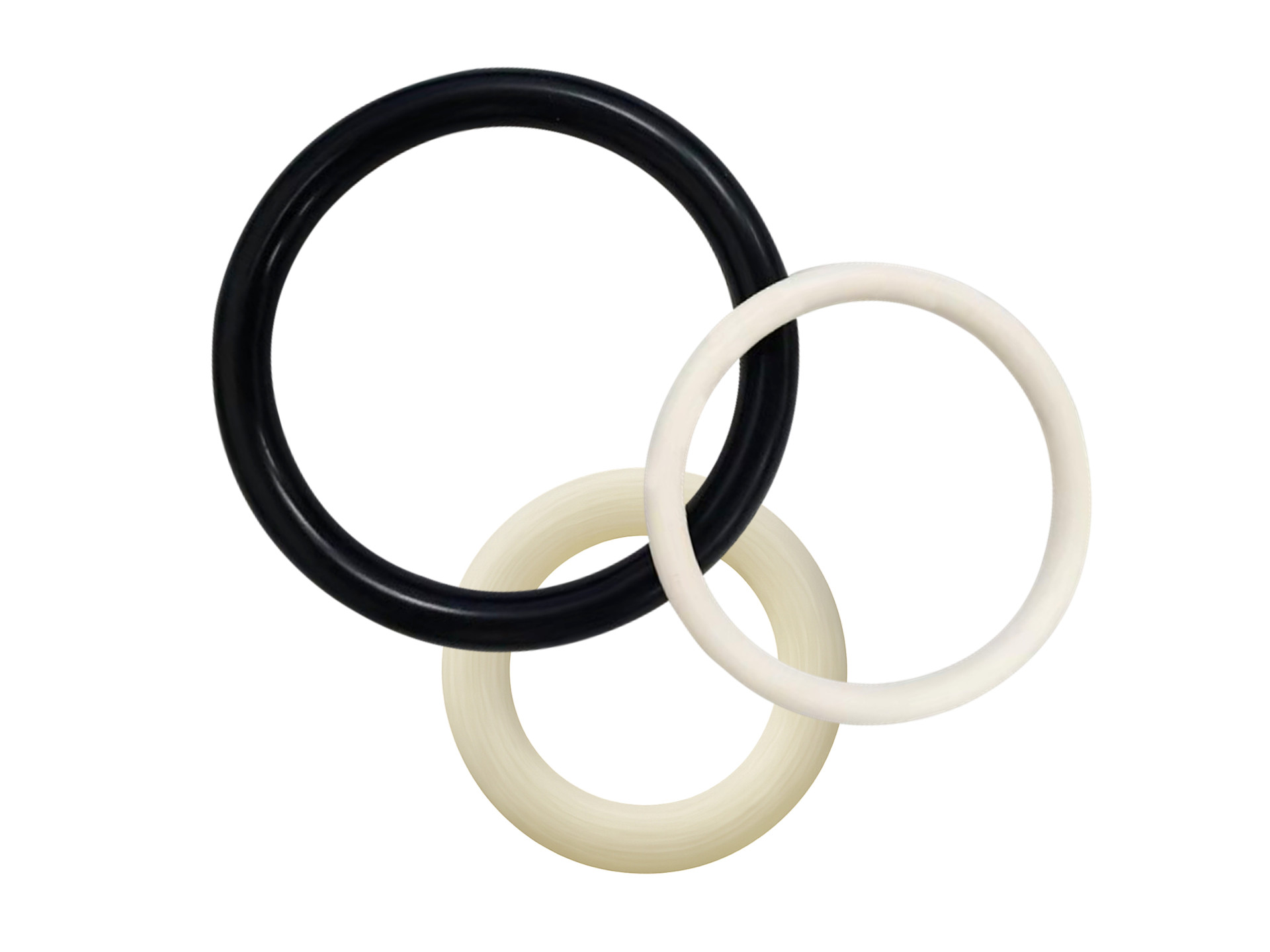
FFKM perfluoroelastomer O-rings are expensive not simply because they are "a more premium rubber," but because at the extreme end of the operating envelope they simultaneously solve three problems that ordinary sealing materials struggle to solve to...
Jul. 29. 2026
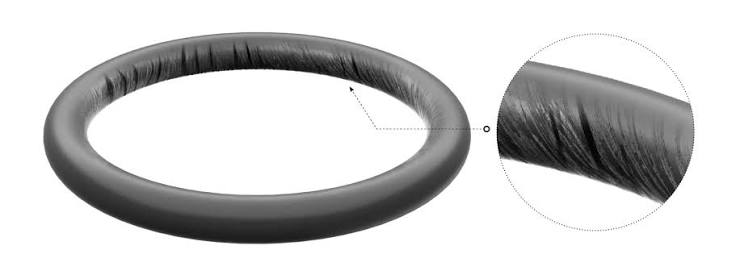
A brand-new O-ring that leaks right after installation is often not a quality problem with the O-ring itself, but a result of damage that occurred during the installation process. Scratches, twisting, over-stretching, nicks from burrs, sharp edges, ...
Jul. 28. 2026
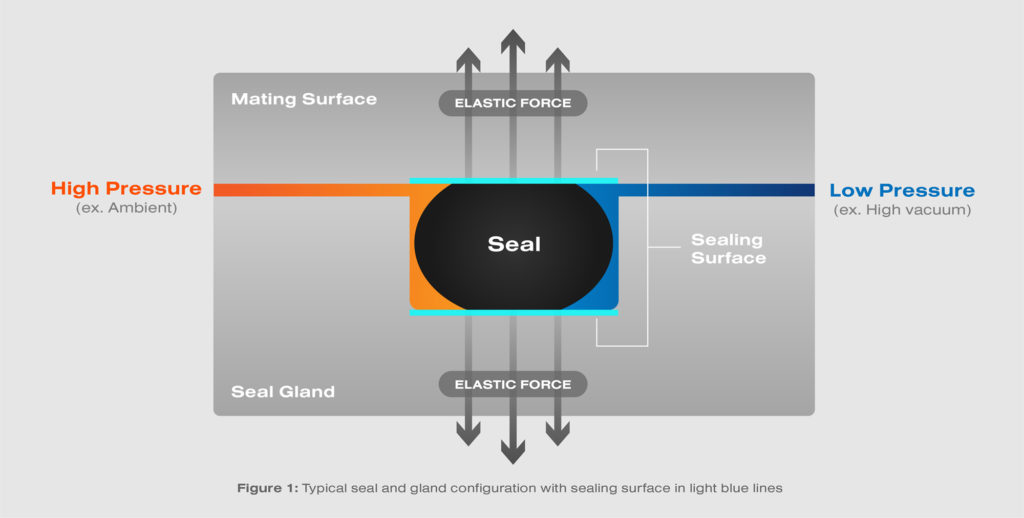
The requirement for O-ring sealing-face roughness cannot be written with just one Ra — at minimum simultaneously control: Ra/Rz or Rmax, machining-line direction, scratches/burrs/rust spots, plating layer integrity, chamfer amount. ISO 3601-2:...
Jul. 28. 2026
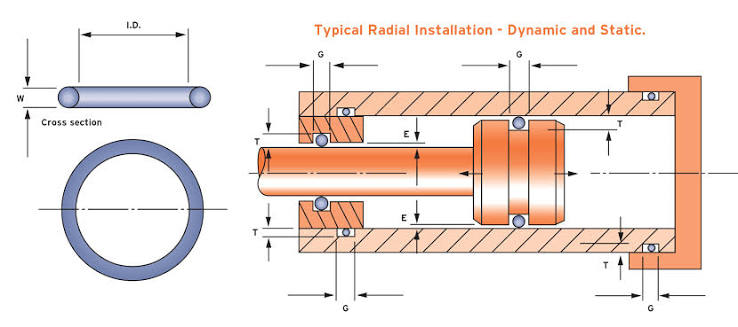
An O-ring doesn't seal by "plugging a gap" — it relies on the elastic deformation produced by pre-compression after installation, forming continuous contact stress between the groove and mating face; once media pressure rises, it further pushe...
Jul. 28. 2026
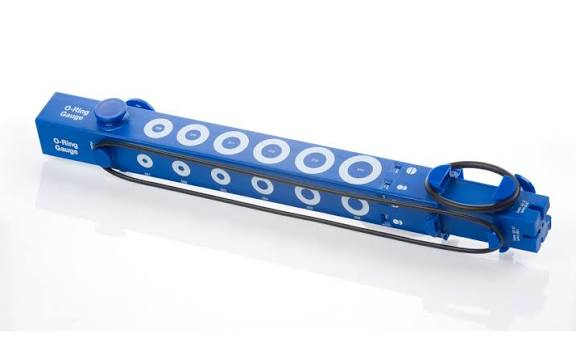
O-ring conformity judgment cannot only look at inner diameter, wire diameter, and outer diameter. Dimensional conformity only shows it can "be installed in" or "is close to the design requirement," but doesn't prove it can stay sealed under pressure...
Jul. 28. 2026
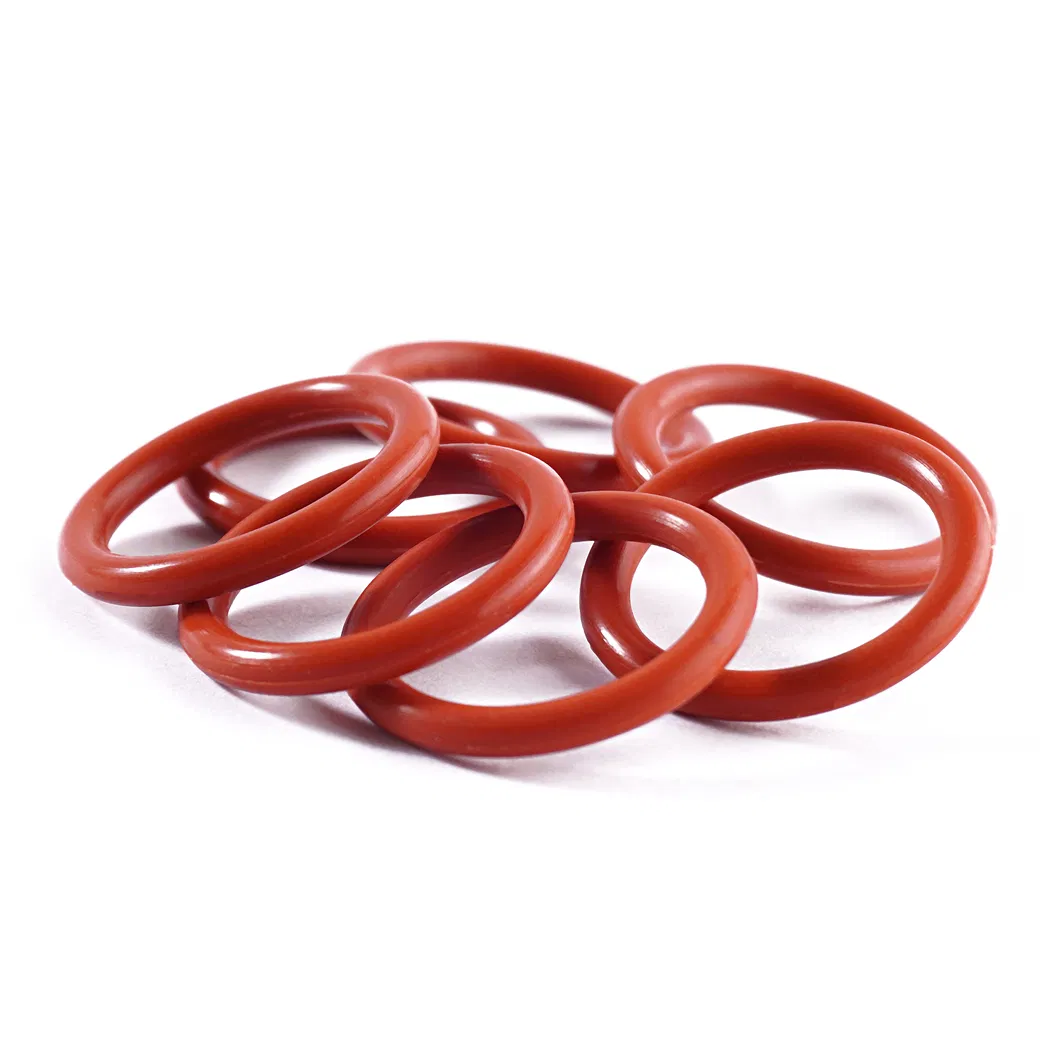
Suitable, but must be limited on the premise of "compliant formula + accepted production + corresponding test documentation." Silicone here refers to silicone rubber VMQ, not raw silicone oil. VMQ's core value is heat and cold resistance, cleanlines...
Jul. 28. 2026
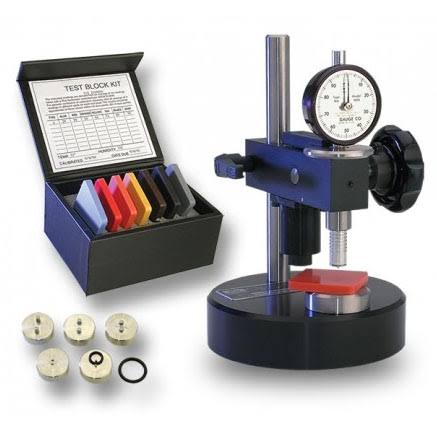
1. Conclusion O-ring commonly said "70 degrees, 80 degrees, 90 degrees" usually refers to 70 Shore A, 80 Shore A, 90 Shore A, i.e. rubber hardness. The higher the value, the harder the material, the stronger the extrusion resistance; but at the same...
Jul. 23. 2026
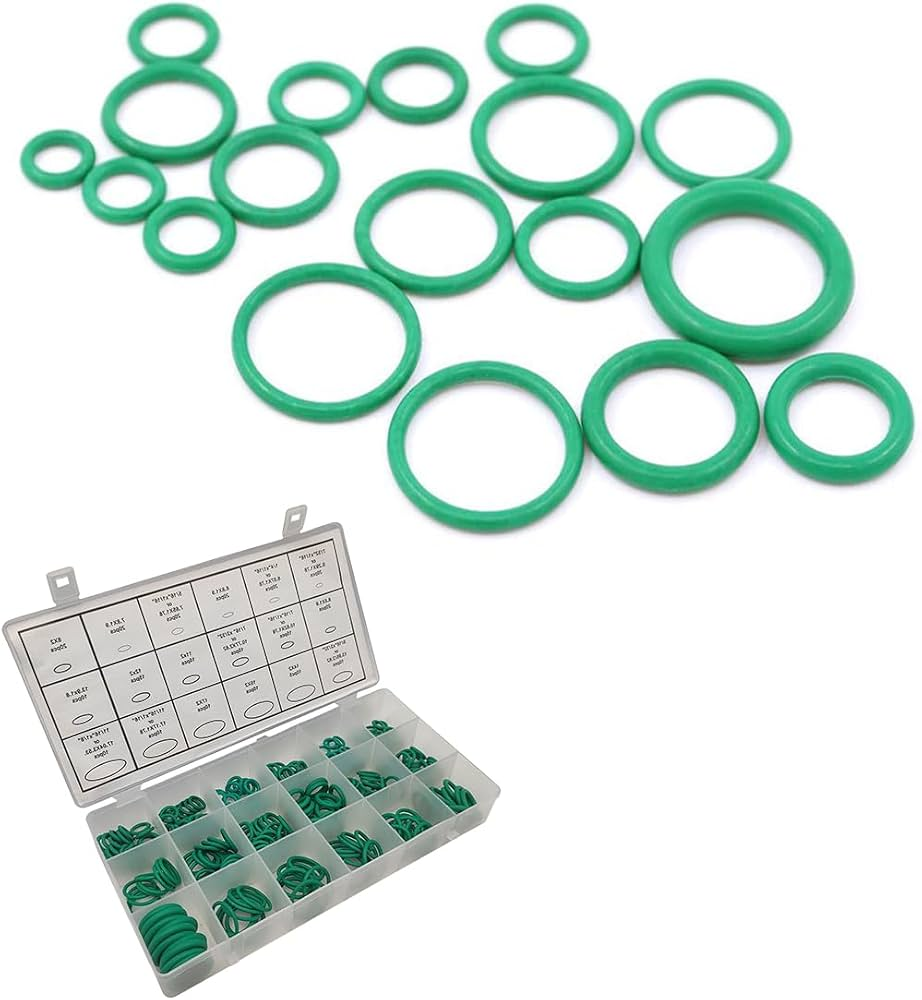
Upgrading from NBR to HNBR is essentially upgrading from "general oil-resistant sealing" to "heat-resistant, ozone-resistant, and abrasion-resistant, higher-reliability sealing." In automotive, automotive AC, refrigeration equipment, and hydraulic s...
Jul. 23. 2026
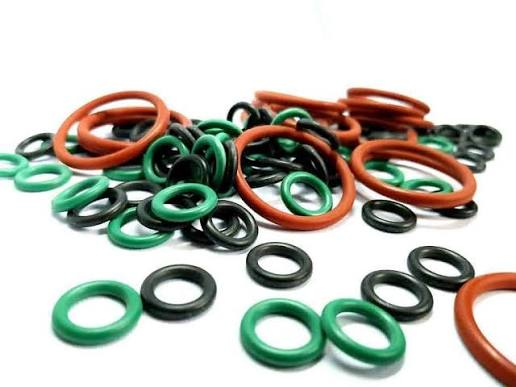
NBR suits the scenario of "conventional temperature + oil-class media + cost sensitivity + general-purpose sealing." If the media is mineral oil, lubricating oil, petroleum-based fuel, general hydraulic oil, and the working temperature is roughly -3...
Jul. 23. 2026
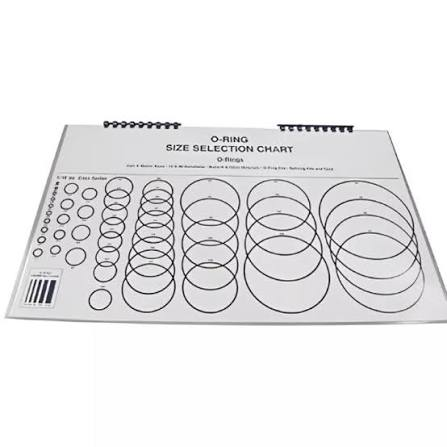
The core is not "asking the customer for a pile of parameters" — it's letting sales and customer service judge three things in the shortest time: can it be quoted quickly as a standard part, is engineering selection needed, and is there an exi...
Jul. 23. 2026

Welcome to HOVOO, a Chinese seal factory. Production of PU, Rubber and PTFE seals. The seals include O-ring, piston seal, rod seal, Gray ring and gas seal.


 EN
EN
 AR
AR CS
CS DA
DA NL
NL FI
FI FR
FR DE
DE EL
EL IT
IT JA
JA KO
KO NO
NO PL
PL PT
PT RO
RO RU
RU ES
ES SV
SV TL
TL IW
IW ID
ID LV
LV SR
SR SK
SK VI
VI HU
HU MT
MT TH
TH TR
TR FA
FA MS
MS GA
GA CY
CY IS
IS KA
KA UR
UR LA
LA TA
TA MY
MY
